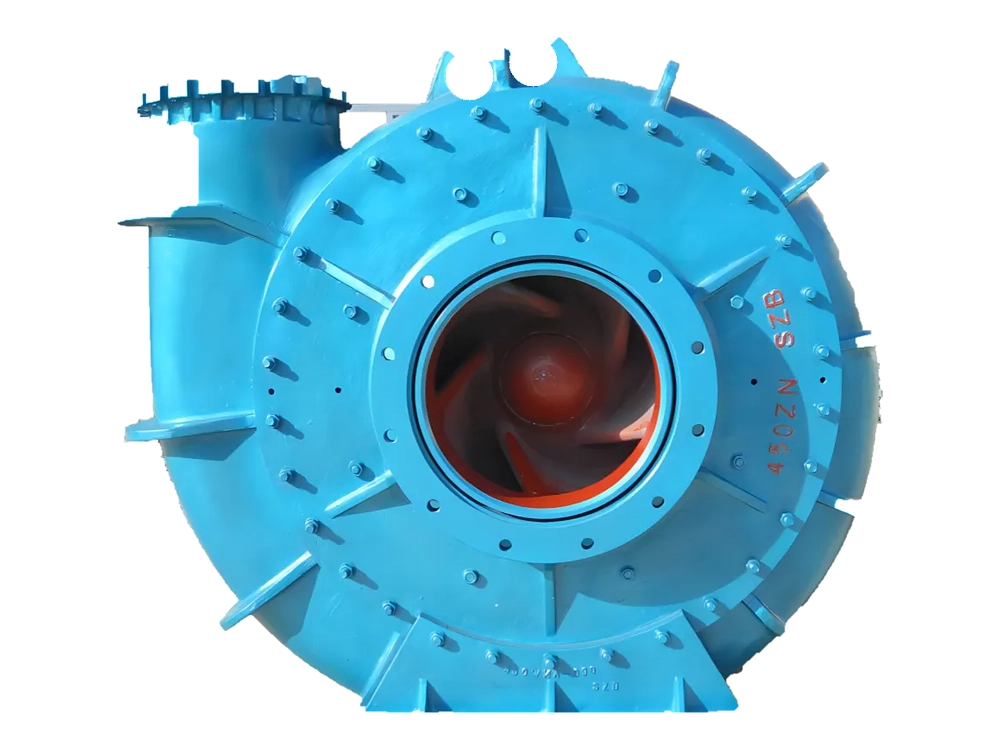
Gold Dredge Pump for Placer & Alluvial Mining
Placer/alluvial gold recovery dredges gold-bearing sand and gravel; the pump must pass coarse abrasive solids continuously.
Placer and alluvial gold recovery — the pump must pass gold-bearing sand and gravel without degrading the material, and keep running on a remote site where a failure means a lost season.
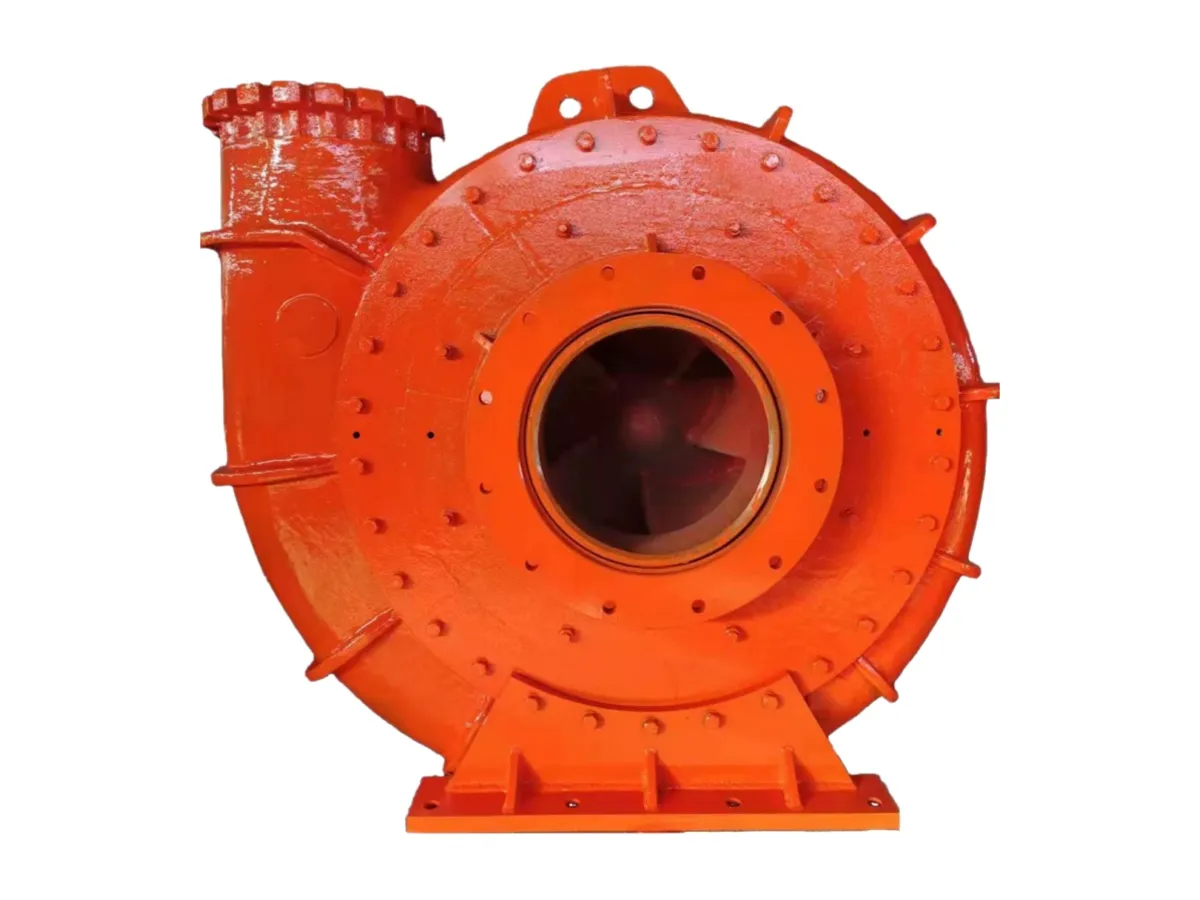
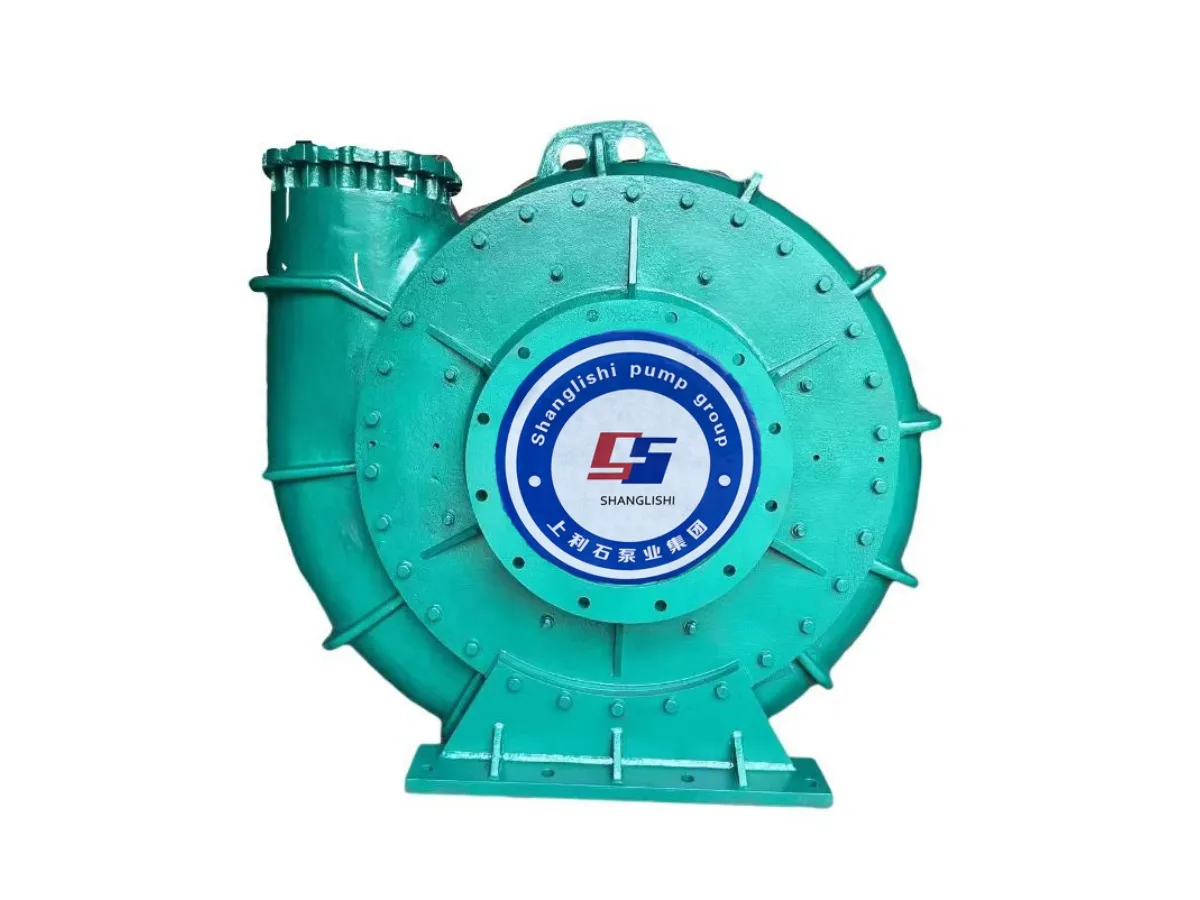
- Dredge and gravel pump builds, single-casing, no liner to break
- Particle size to 254 mm depending on model
- A22 cast steel (1200 MPa, HRC45) for dredge casings
- A25 (HB300–350) weldable — permits on-vessel repair
- Discharge rotatable for pontoon and ladder geometry
- Wear parts sized against the working season, not calendar hours
CE · EAC · ISO 9001 · ISO 14001 · ISO 45001
What This Duty Demands
Placer duty has two constraints that other dredging does not. The material must reach the recovery plant intact, so the pump should not over-grind it. And the site is usually remote — a failed casting cannot be shipped out and back inside the working season, which changes what "the right material" means.
- Bucket-line and suction dredges — continuous duty through the season.
- Highbanking and portable plants — smaller flows, frequent relocation.
- Tailings re-treatment — finer material, higher concentration.
- Overburden removal — the coarsest duty on site.
Recommended Pump & Material
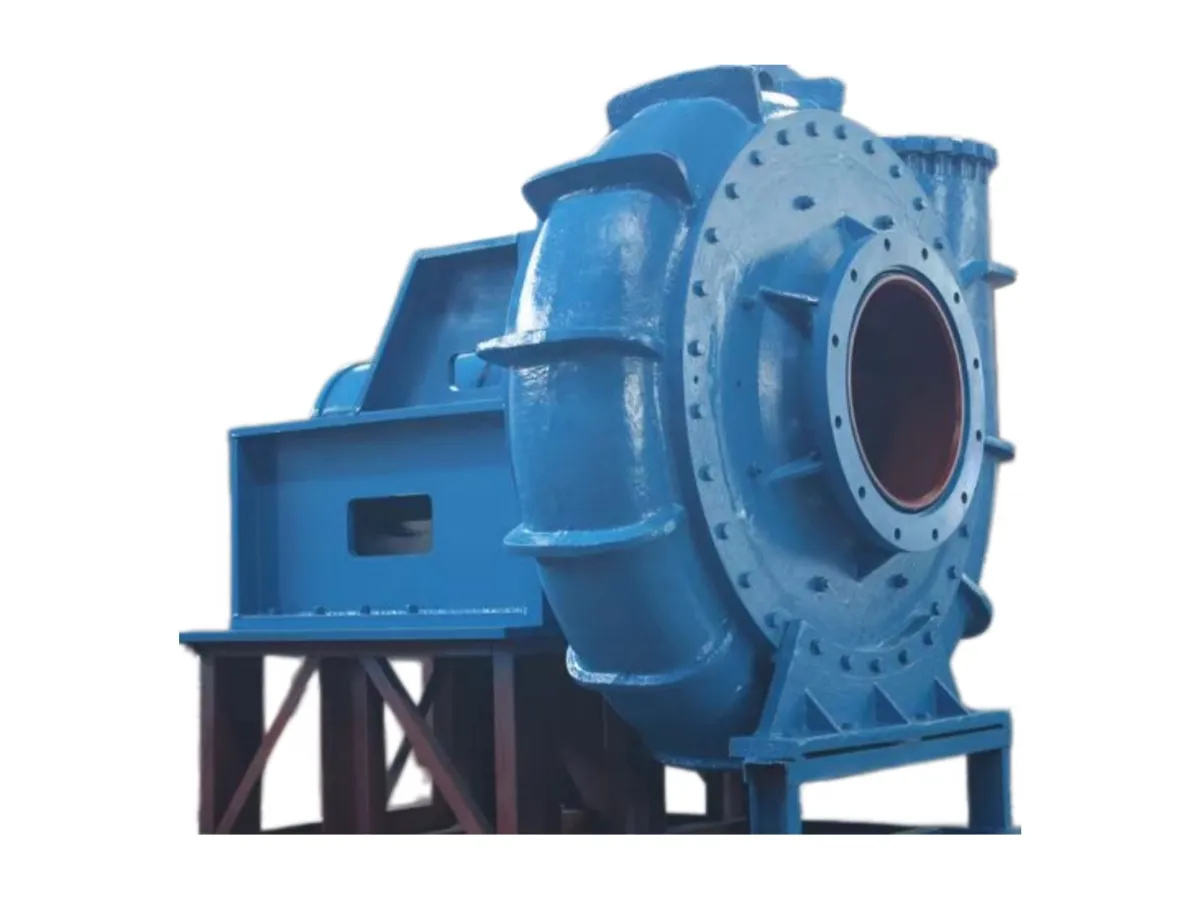
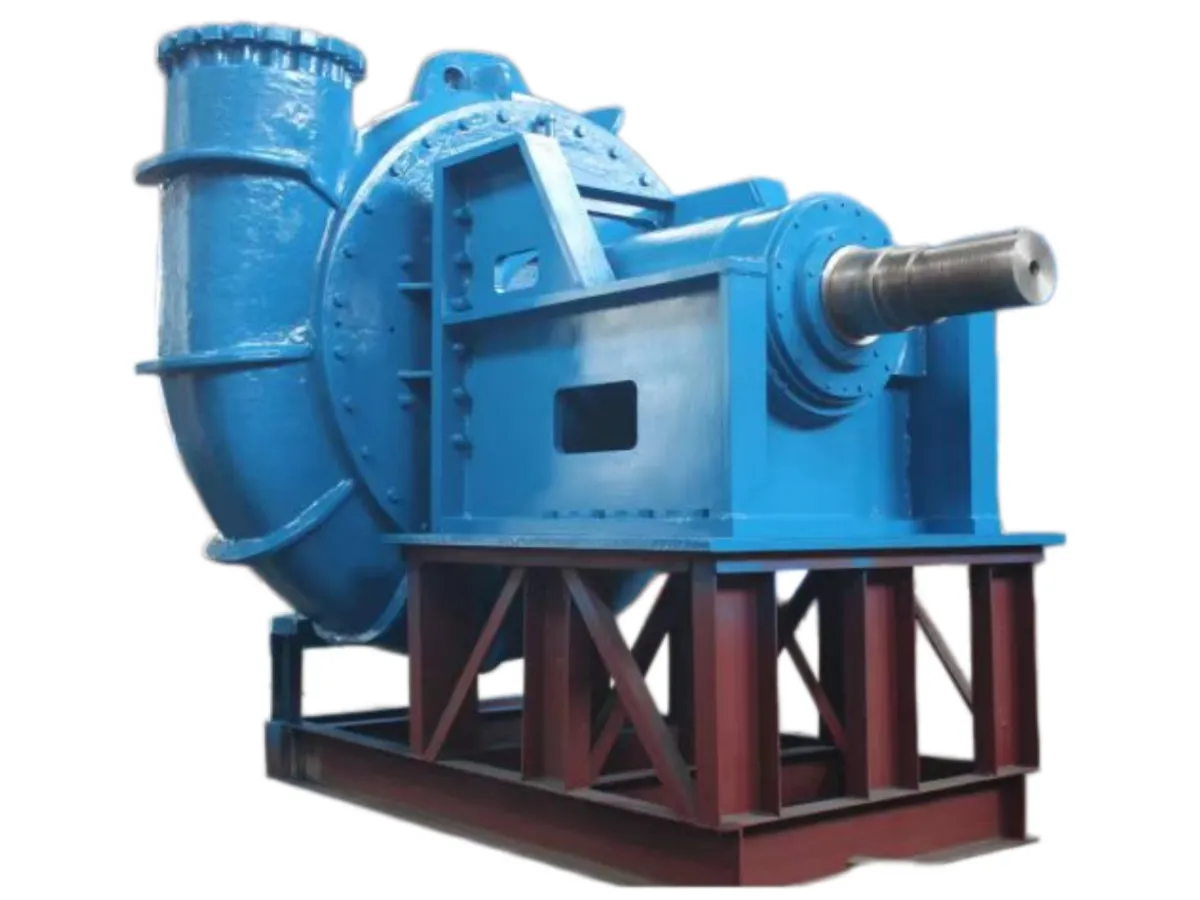
Single-casing dredge and gravel pump builds are the right family here: body, cover and impeller all in wear-resistant metal, no liner to break on cobbles. A22 anti-wear cast steel (1200 MPa, HRC45) is specified for dredge pump casings; A23 (HB500–600) for high-erosion components.
For remote operations, A25 deserves consideration even though it is softer (HB300–350). It is weldable, which means a damaged casting can be repaired in the field. On a site where the alternative is waiting out the season for a replacement, repairability can be worth more than the last increment of hardness.
Key Selection Parameters
| Largest particle reaching the suction | Cobble size in the pay gravel |
|---|---|
| Ground conditions | Cemented or loose; decides whether a cutter is needed ahead of the pump |
| Solids concentration | Design and peak |
| Discharge line length and lift | To the recovery plant, including any floating section |
| Season length and access | Decides whether weld-repairable material is worth specifying |
| Drive available | Engine or electric, and available speed range |
| Vessel or plant geometry | Ladder and discharge arrangement for the rotatable outlet |
What to Send Us
Send the pay gravel description including cobble size, the ground conditions, the solids concentration, the discharge line length and lift, the season length and the drive available. We will confirm the model and the wear material.
On Site
Send Your Enquiry
Will the pump degrade the gold-bearing material?
Pump selection affects this. Send the material description and the recovery method and we will select accordingly rather than for maximum throughput alone.
Why consider a softer weldable grade?
A25 (HB300–350) is weldable, so a damaged casting can be repaired on the vessel. On a remote site where a replacement cannot arrive within the season, that can be worth more than extra hardness.
What casing material for dredge duty?
A22 anti-wear cast steel, 1200 MPa, HRC45, is specified for dredge pump casings. A23 is used for high-erosion components.
Do we need a cutter ahead of the pump?
If the pay gravel is cemented or the bank does not break down on its own, yes. Describe the ground conditions and we will advise.
Manufacturer-direct supply · Technical pump-selection support · Export documentation on request.