Vertical Slurry Pumps for Sump & Submerged Duty — No Seal Water
A vertical (sump) slurry pump is a single-stage single-suction cantilever pump mounted over a sump; it runs without any shaft seal or seal water, ideal where suction is insufficient or floor drainage is needed.
How the SSP(R) Vertical Pump Is Built
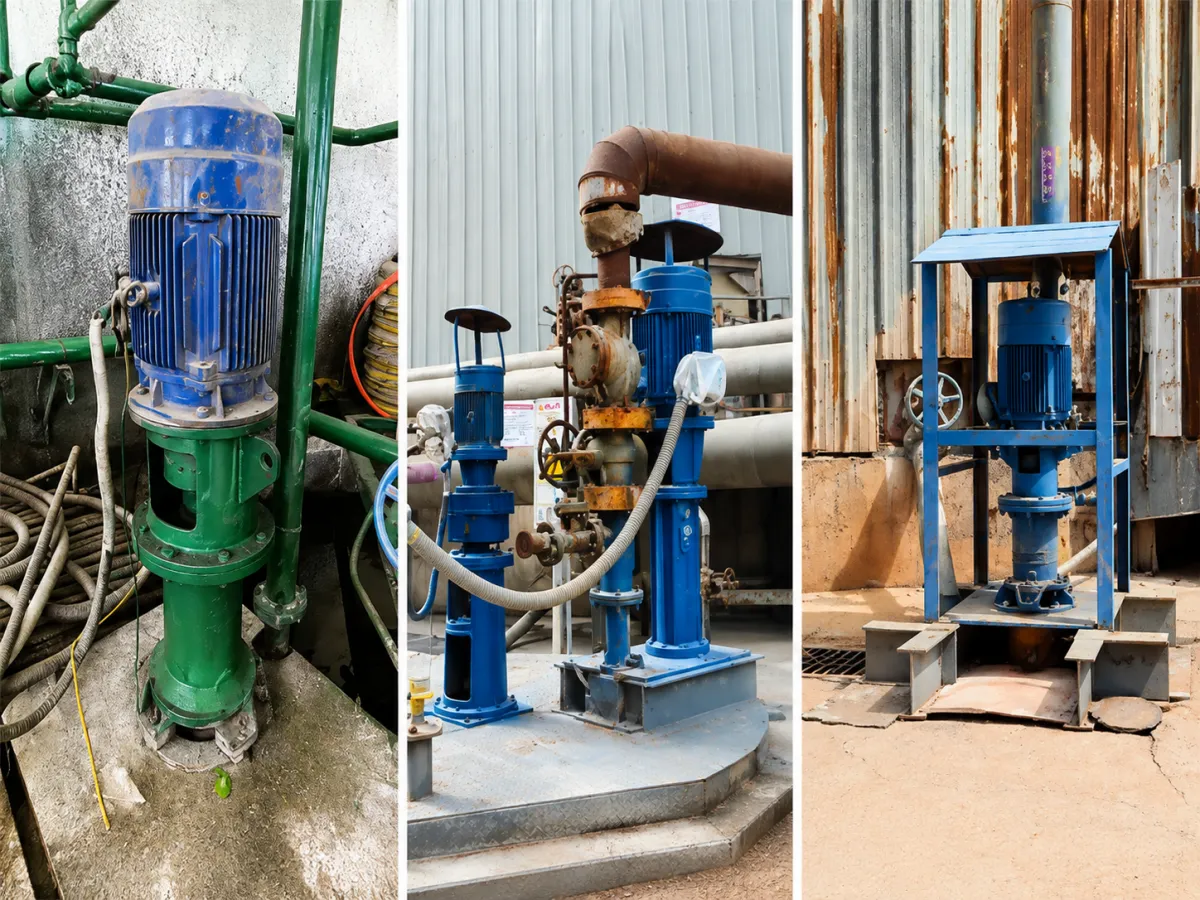
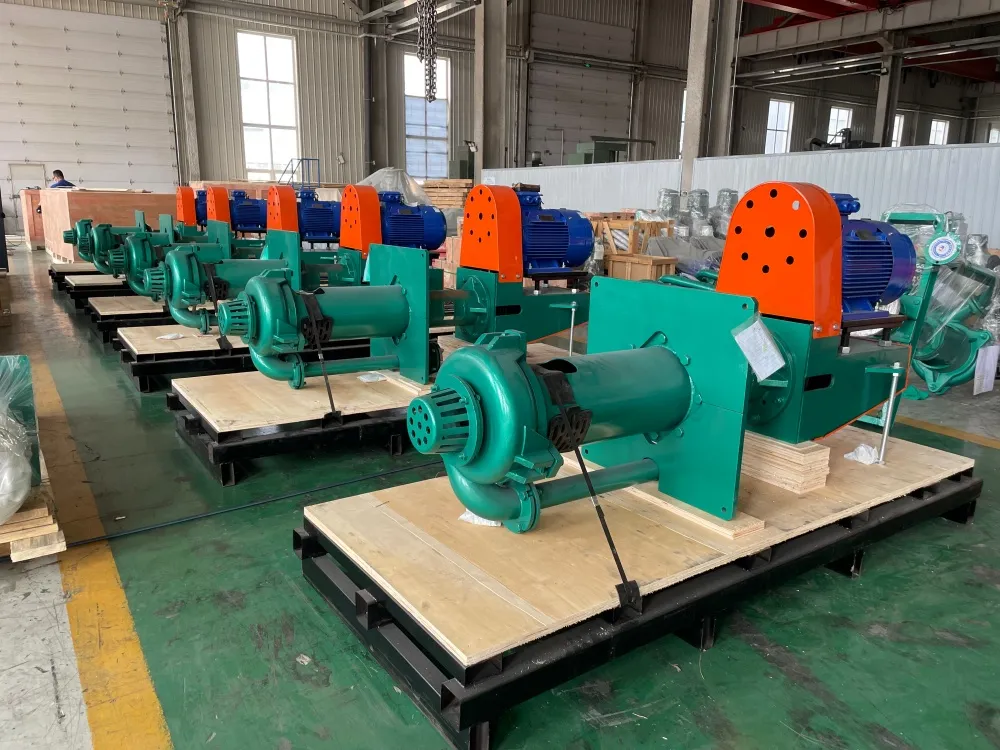
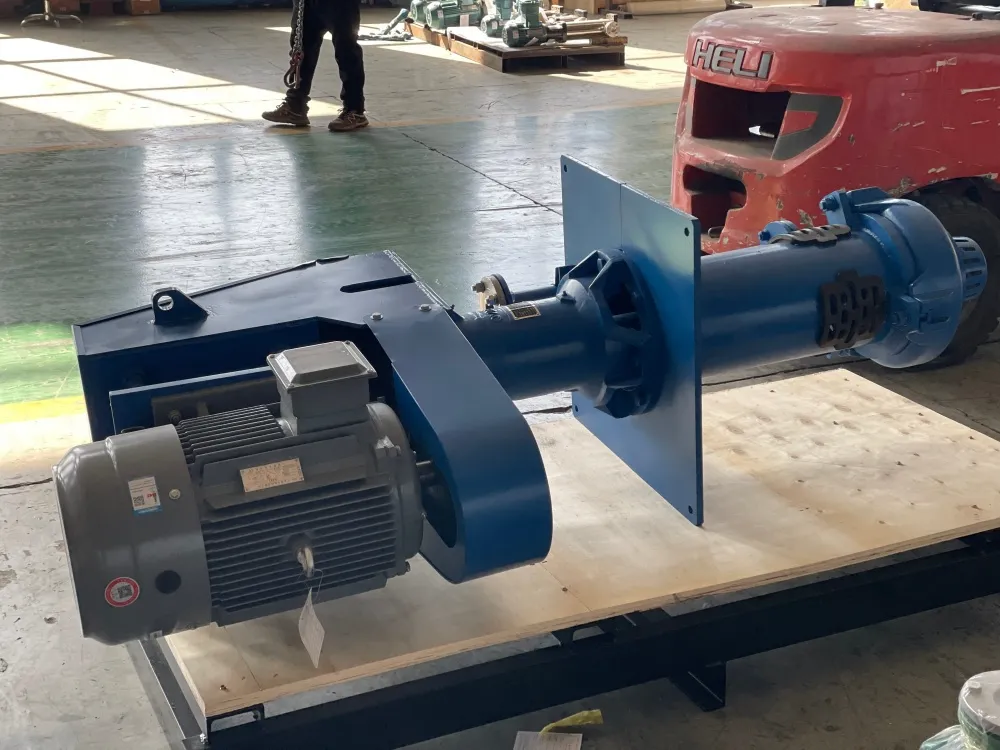
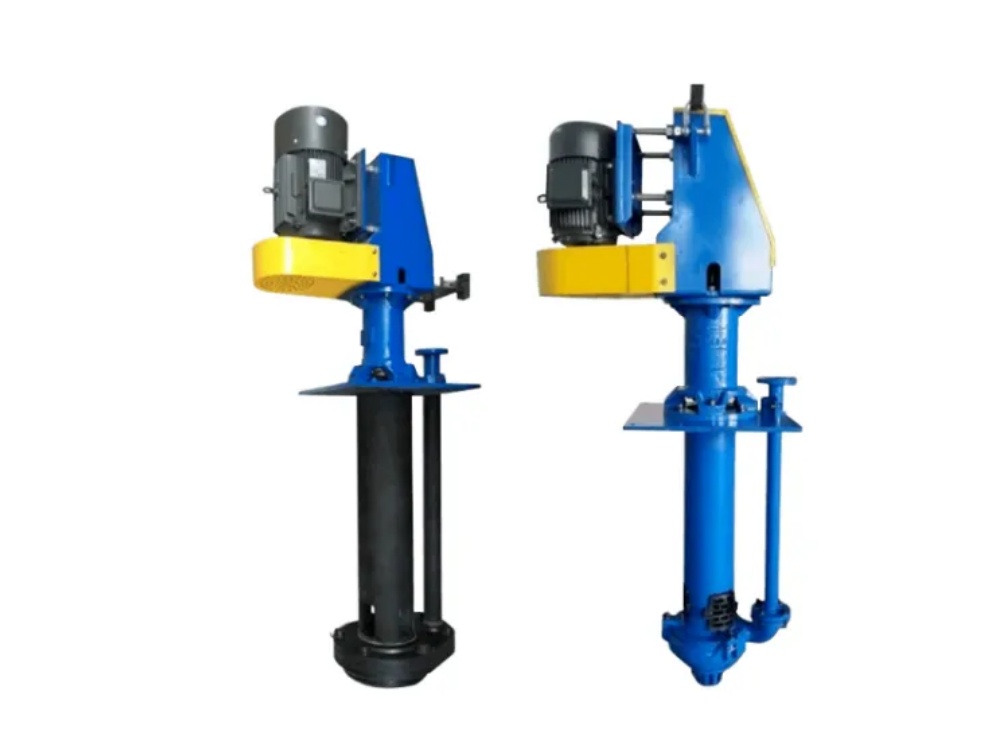
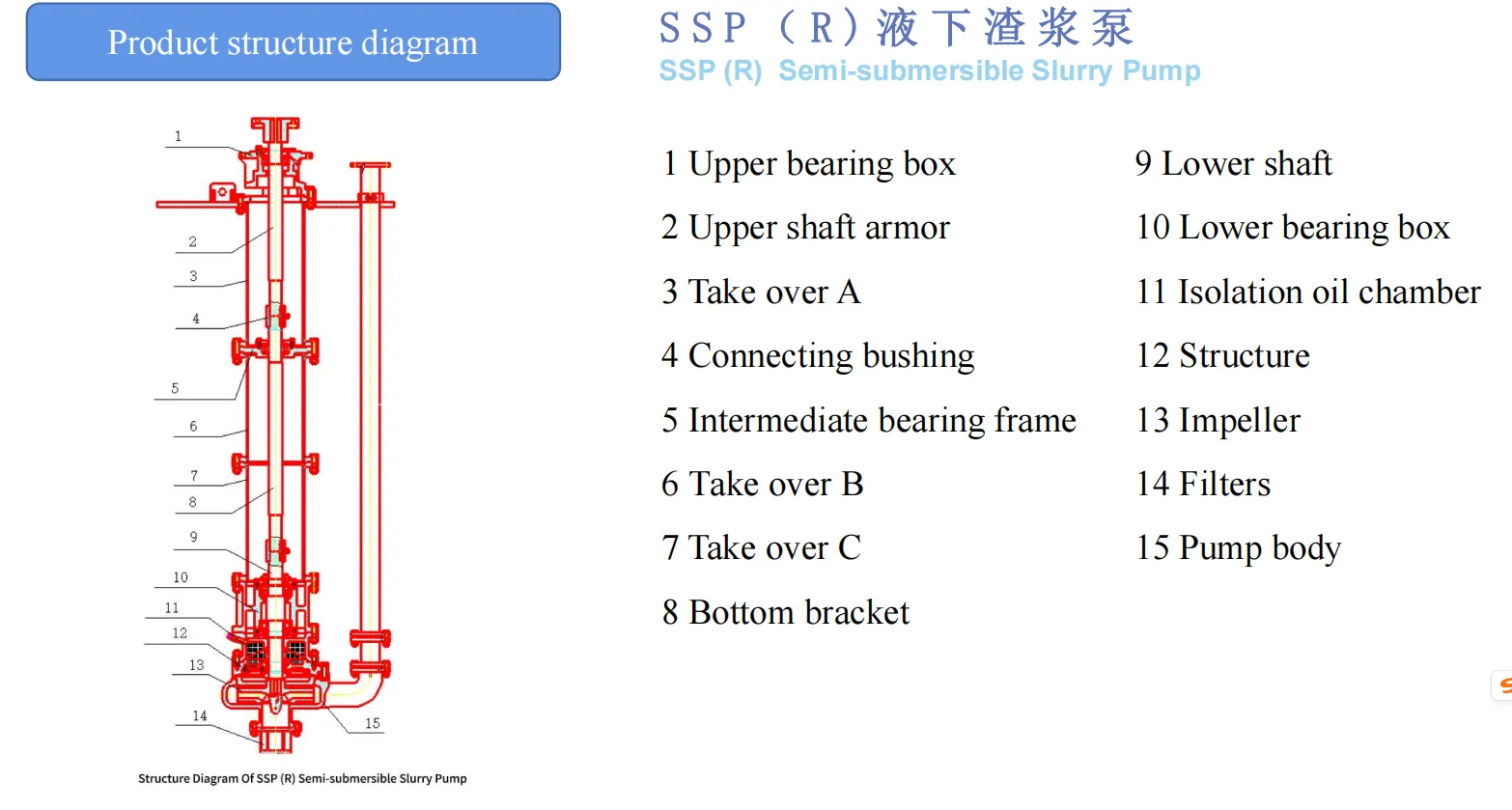
The SSP(R) hangs into the sump from a mounting plate above it: a cantilever centrifugal pump, single suction, one stage, mounted vertically. The impeller is semi-open, and an agitator vane on the extension below it keeps settled solids moving into the eye. Because the wet end is cantilevered, there is no submerged bearing and no shaft seal at all on the standard build, so the pump will keep working where suction conditions are poor and where seal-water supply is not available.
Pumps in This Range
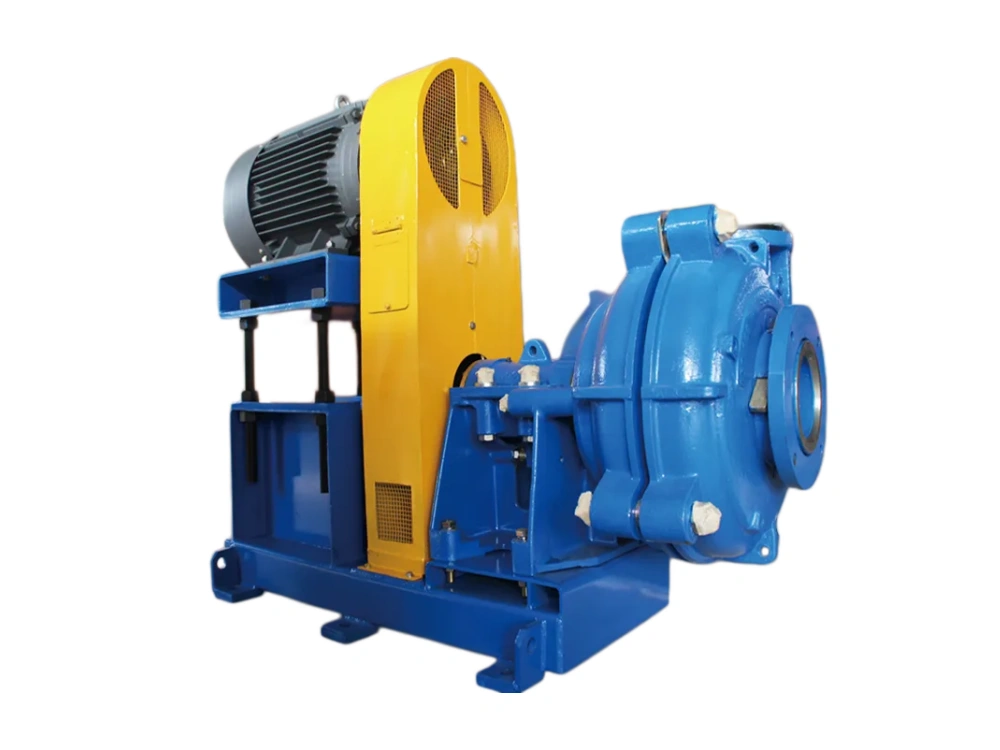
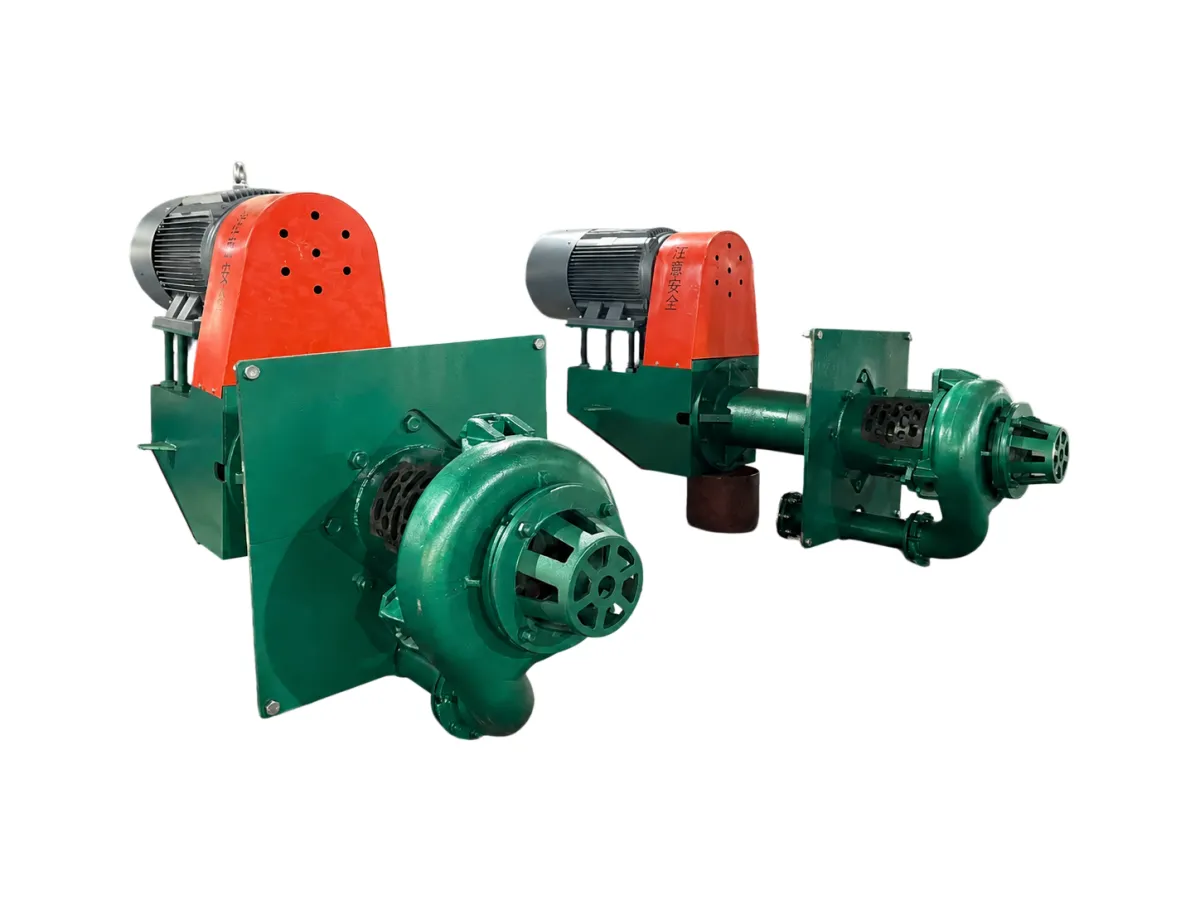
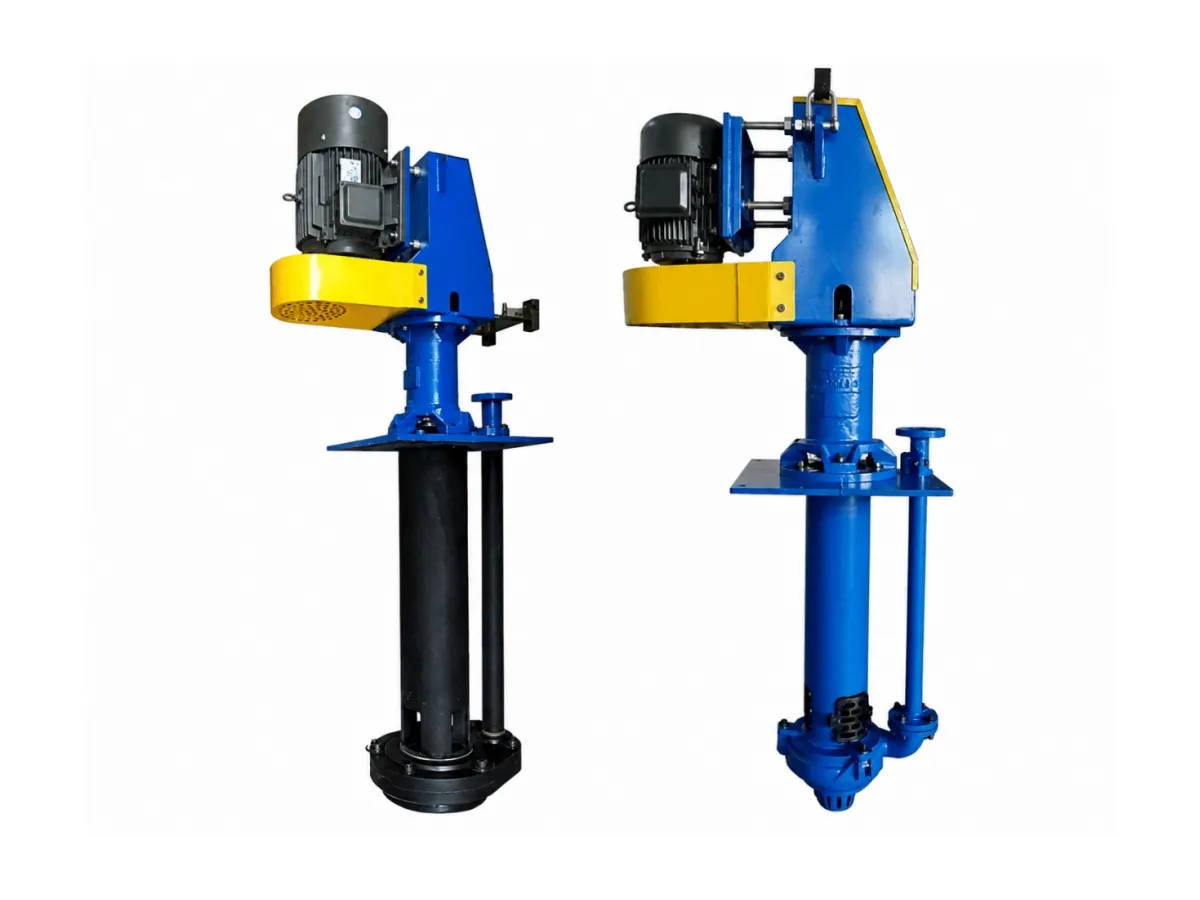 SSP Vertical Slurry Pump — Sump & Submerged DutyVertical pump for sumps where suction cannot be held.
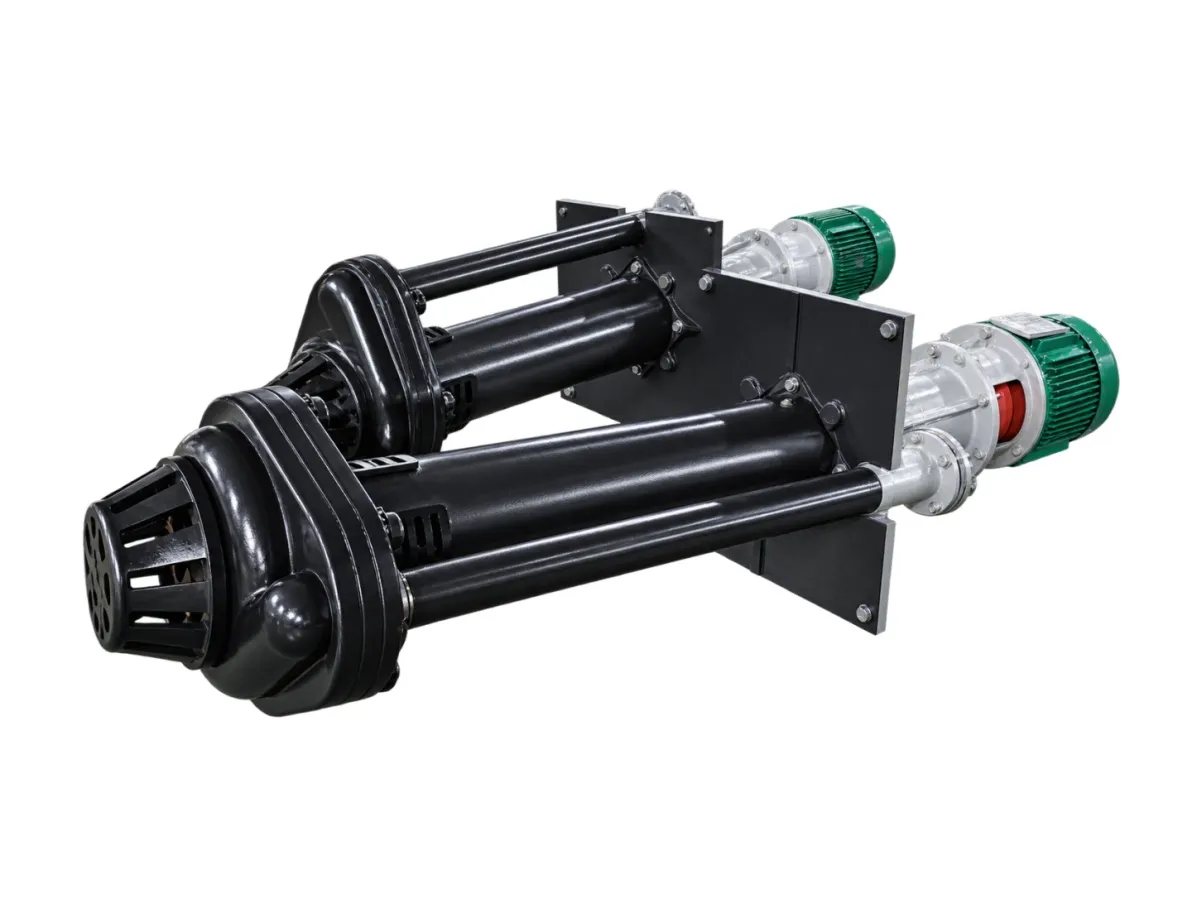 SSPR Vertical Slurry Pump — Rubber-LinedElastomer wet end for fine, rounded, high-concentration slurry.
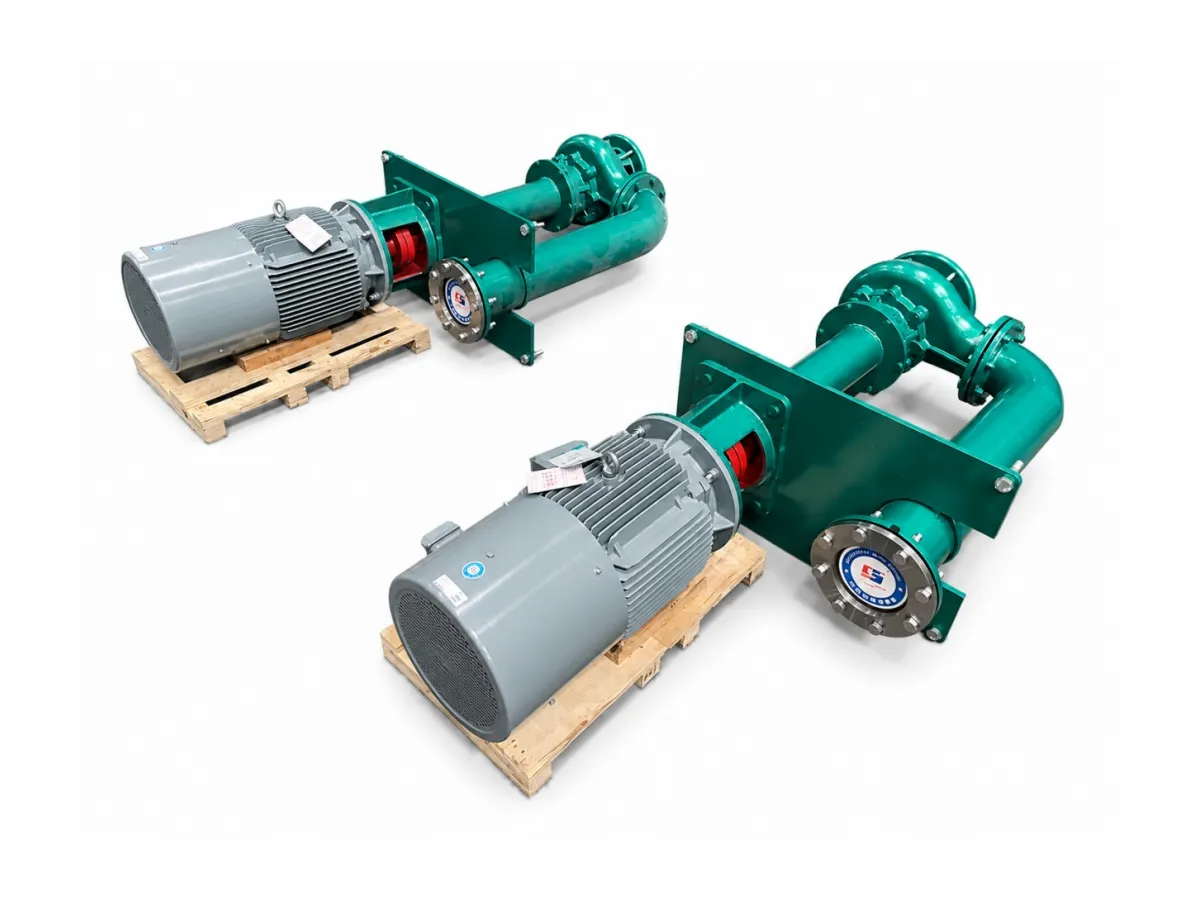 SZPL Vertical Slurry Pump — Vertical Build of the SZP SeriesVertical build of the SZP series for sump and pit duty.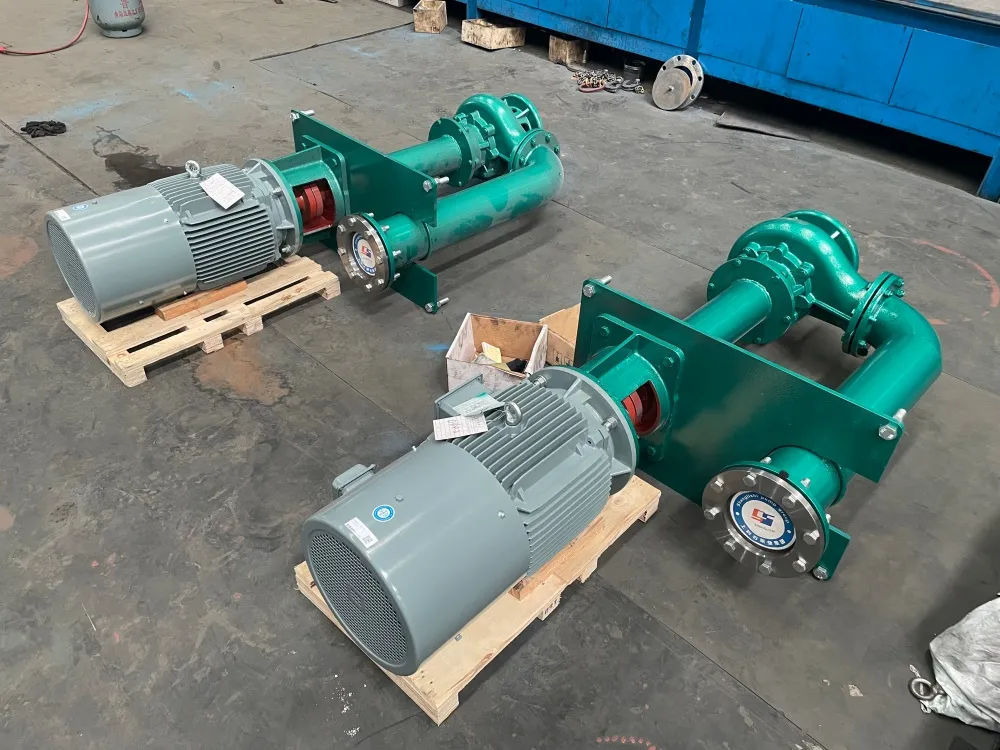
Choosing Between SSP, SSPR and SZPL
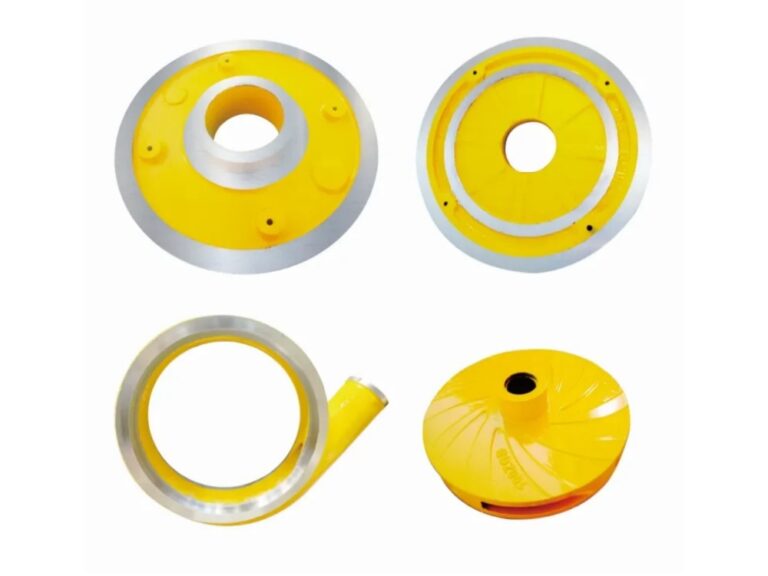
SSP uses wear-resistant metal throughout the wet end, in outlet sizes from 40 to 300 mm. SSPR lines the submerged parts with rubber, which suits angular, abrasive slag slurry and mildly corrosive duty. On both, an extended-shaft build is available for deeper pits: it adds a guide bearing to steady the longer shaft, and that guide bearing needs a continuous flushing water supply — so this option is not seal-water-free in the way the standard build is. It is a configuration of the SSP(R) frame, not a separate pump.
SZPL is a different line. It is the vertical build of our SZP series — a single-stage, single-suction, axial-inlet centrifugal pump whose impeller, volute and back liner are cast in high-chrome alloy iron. The impeller threads onto the shaft; volute, support frame and bearing housing are bolted. Drive is by direct coupling or belt, the bearings run on grease, and the pump carries no shaft seal at all — there is no flushing water to supply on any SZPL build. Seven models are offered, 40 to 150 mm outlet, reaching 45.5 m head and 364 m³/h.
Duty and Media
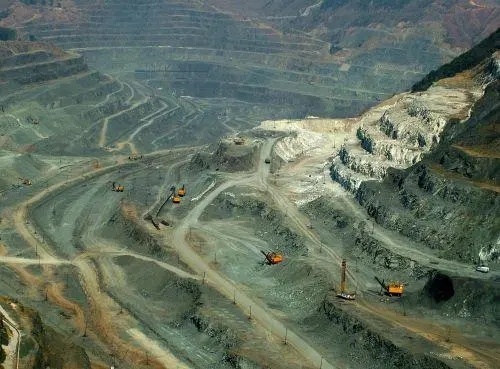
Solids concentration is handled at 60 to 70 percent by weight, with coarse and angular particles accepted. Typical media are slag slurry, heavy oil and oil residue, mortar, mud, flow sand and the flowing sludge found in municipal drainage channels, including fluids that are both abrasive and mildly corrosive. Wet-end material is specified as metal, rubber or polyurethane according to particle shape and pH. Sectors served include mining and mineral processing, tailings, metallurgy, coal, power generation, steel, cement and environmental treatment.
Installation and Upkeep
Drive shaft and suction pipe lengths are cut to the pit depth, so give us the depth from mounting plate to the lowest working level when enquiring. Drive is by V-belt or flexible coupling, and speed can be trimmed to move the duty point toward best efficiency. Guide and thrust bearings are grease-lubricated on a routine schedule; belt tension and coupling alignment are checked periodically to hold vibration down; and the pump should not be run dry. Impellers and liners are inspected for erosion, and rubber-lined parts replaced once cracking appears.
Send Your Enquiry
 Rubber-Lined Vertical Slurry Pump — SSP(R) Series
 Submerged & Sump Vertical Slurry Pump — SSP SeriesSZPL Vertical Slurry Pump
 Vertical Slurry Pump Distributors & Suppliers
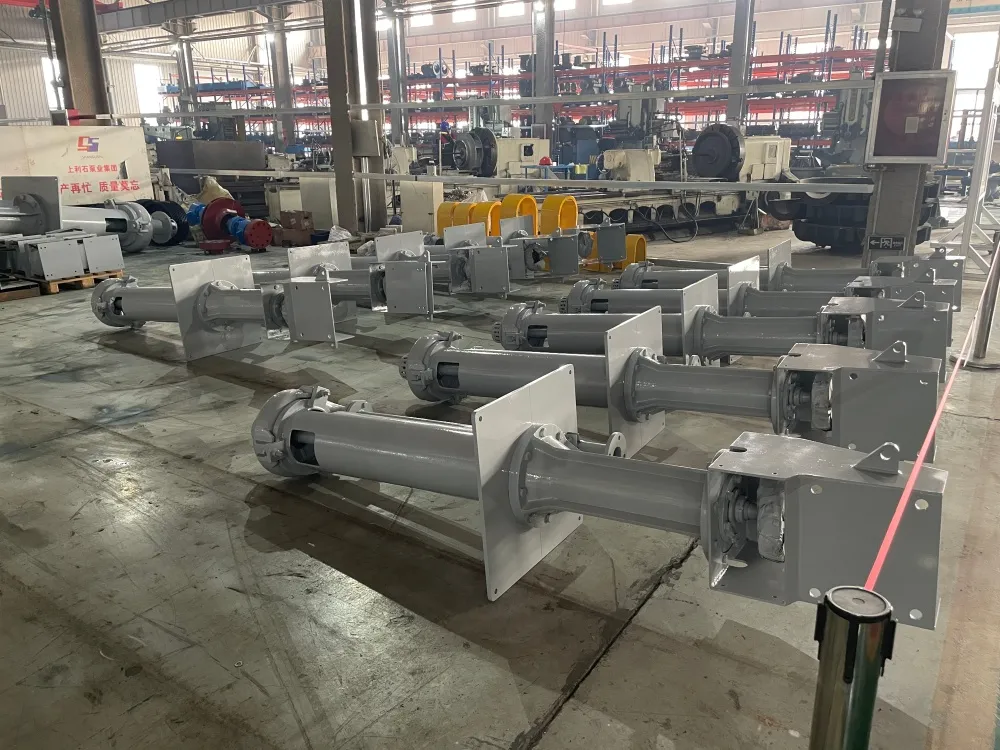 Vertical Slurry Pump for Tank Farm & Mining Sumps
Vertical Slurry Pump FAQs
What is the difference between your horizontal and vertical (sump) slurry pumps for my sump duty?
The vertical SSP(R) is a cantilever, semi-submerged single-stage design with a semi-open impeller and agitator vanes at the suction side. It tolerates poor suction conditions and handles high-concentration slurry at 60–70% solids, with an extended-shaft build available for deep sumps. Horizontal pumps are selected where higher head or larger continuous flow is required. Drive shaft and suction pipe lengths are adjustable.
Do your vertical pumps run without seal water?
Yes. The SSP(R) has no shaft seal and requires no seal water, which removes seal-water supply and dilution from the sump duty. Guide bearings are grease-lubricated. SSPR adds rubber lining on the submerged wet parts for corrosive service.
Do you hold CE / EAC / ISO 9001, and can you export to the EU, Russia and the CIS?
Yes — ISO 9001/14001, CE (MD·EMC) and EAC 004/010. EAC certification is key for Russia and CIS customs clearance.
Manufacturer-direct supply · Technical pump-selection support · Export documentation on request.