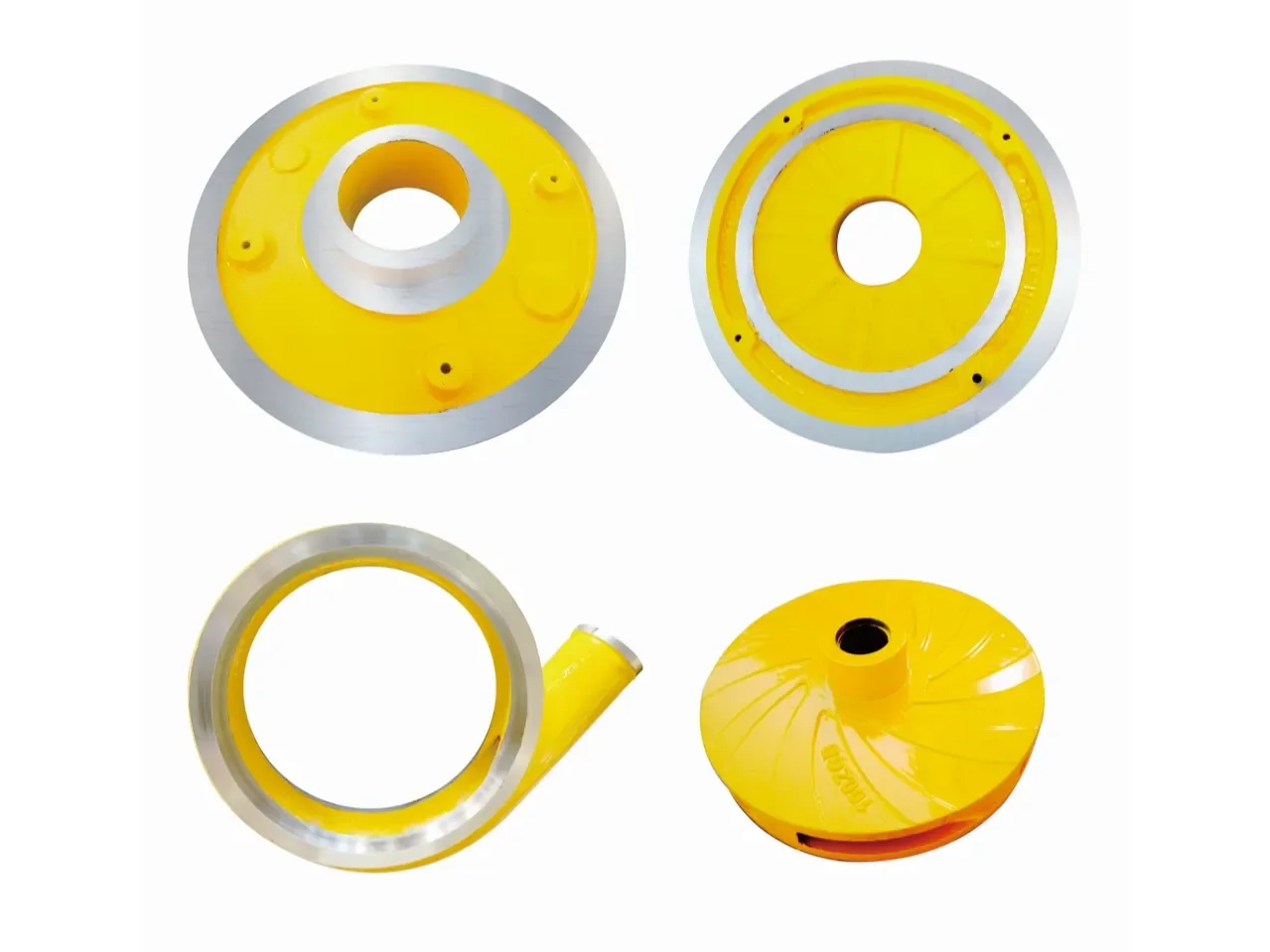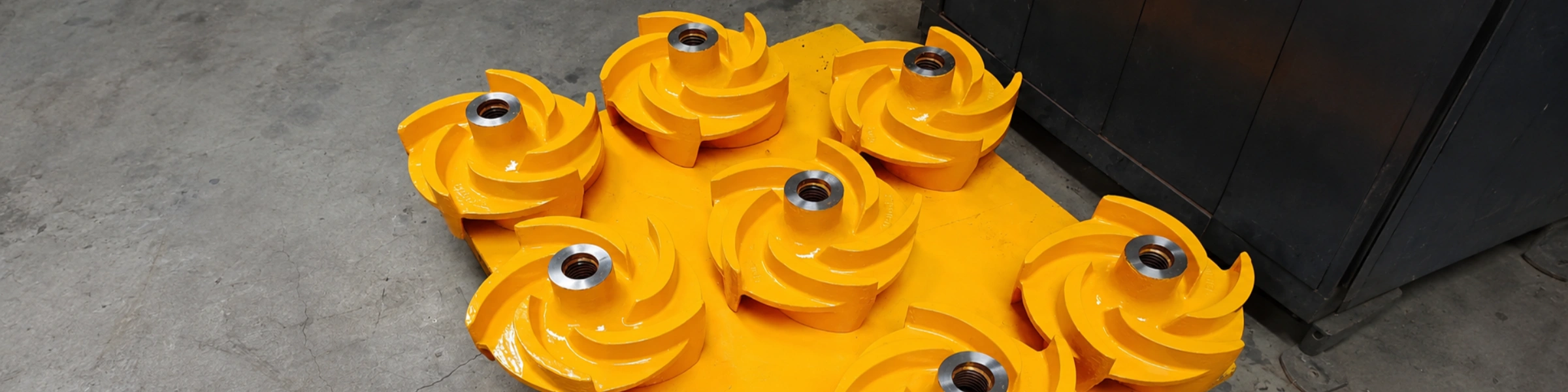
Slurry Pump Expeller Rings
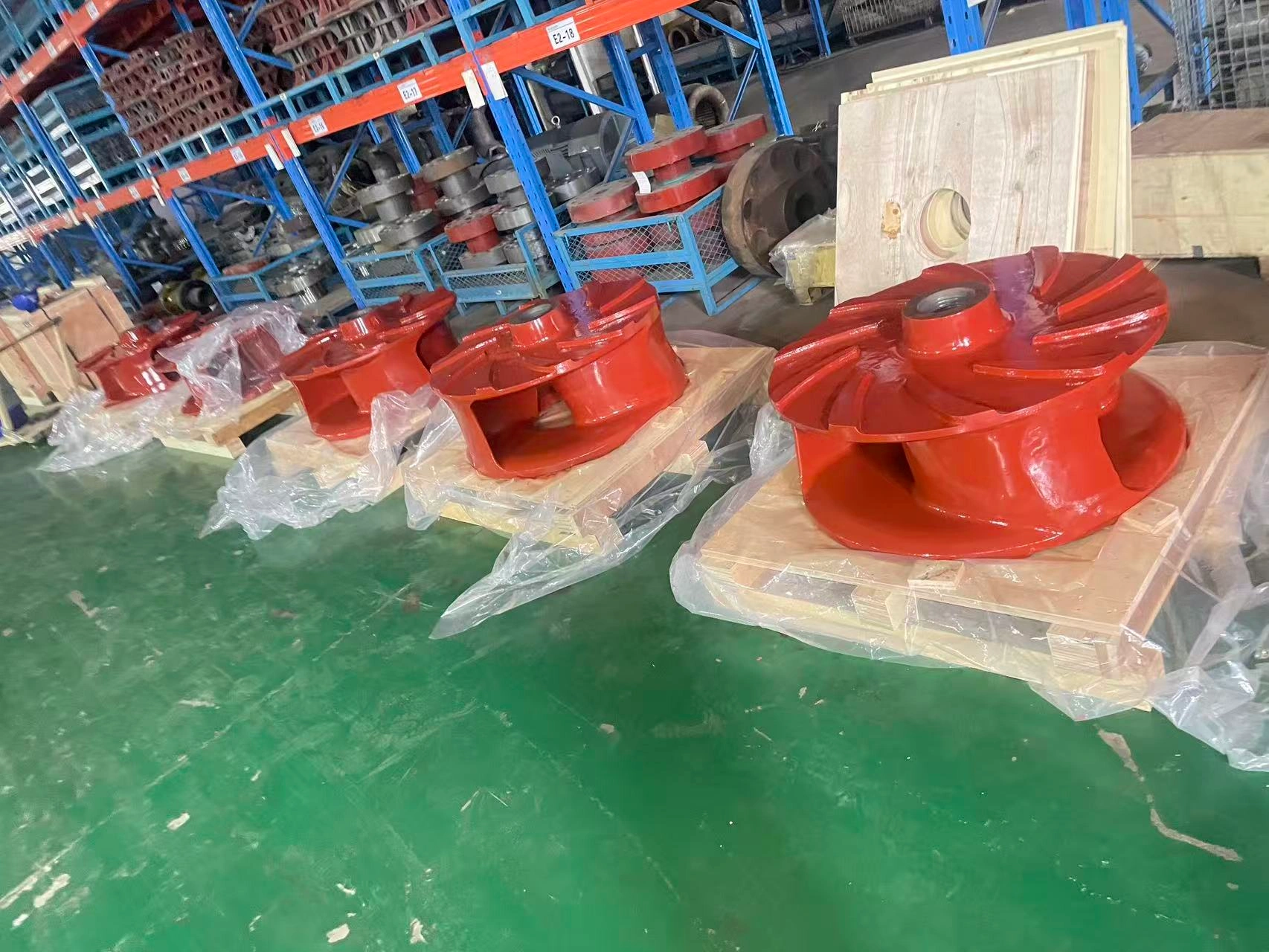
The expeller ring works with the expeller (auxiliary impeller) seal to reduce sealing-water demand and back-pressure on the packing; supplied as a wear-matched replacement.
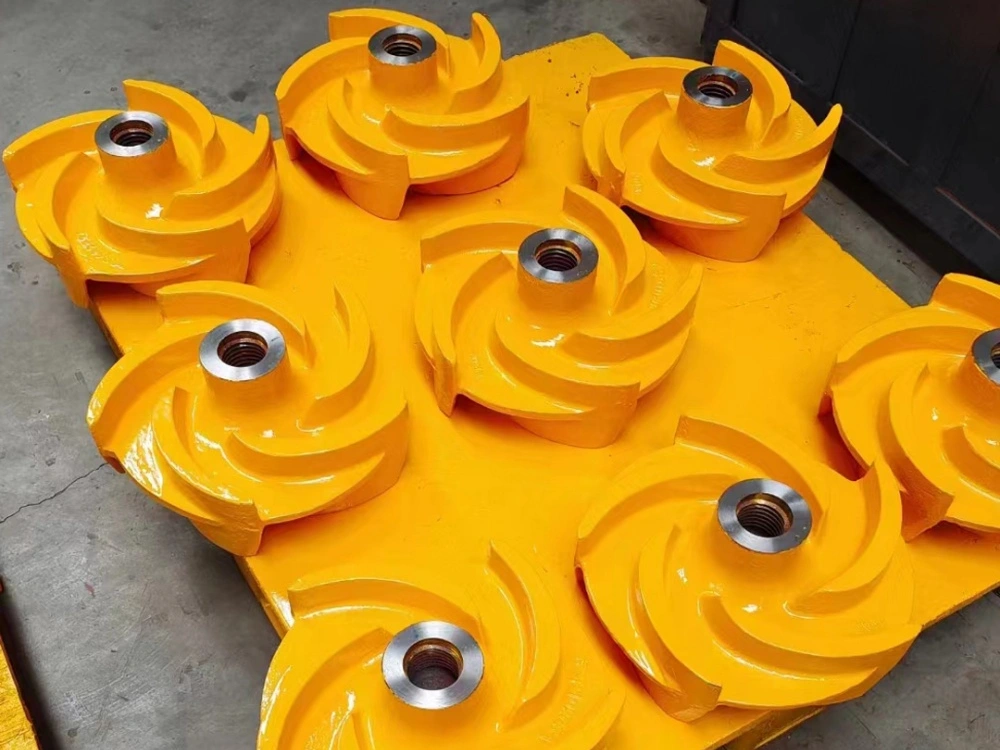
Expeller and expeller ring assemblies — a dynamic seal that generates its own sealing pressure while running, removing the gland water supply, its pipework and its consumption from the installation.
- Applied where inlet positive pressure does not exceed 10 % of discharge pressure
- Single-stage pumps, or the first stage of a series set
- Eight-element assembly including the static packing set that holds when stopped
- Packing to duty: below 1 MPa mica-impregnated asbestos fibre; above 1 MPa specify
- Expeller and ring wear as a mating pair — renew together
- Leakage while running points to the ring clearance; only when stopped, to the packing
CE · EAC · ISO 9001 · ISO 14001 · ISO 45001
Overview
An expeller seal is a dynamic seal: a small auxiliary impeller behind the main impeller generates enough pressure to hold the pumped medium away from the shaft while the pump runs. Its value is that it needs no gland water supply, which removes both the water consumption and the pipework from the installation.
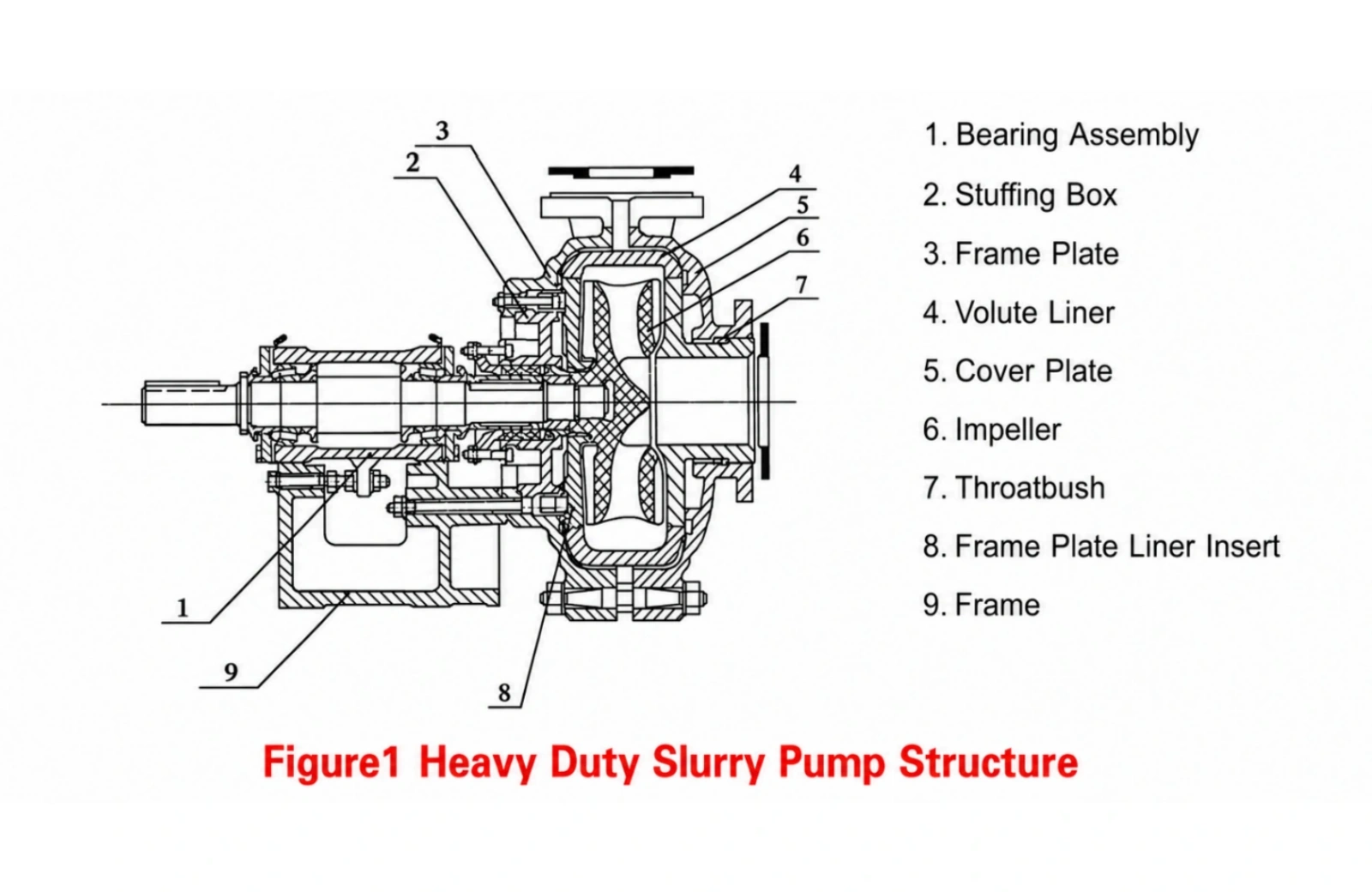
When an Expeller Seal Can Be Used
The seal works against inlet pressure, so its application has a defined limit: it is used where the positive pressure at the pump inlet does not exceed 10 % of the discharge pressure. In practice that means single-stage pumps, or the first-stage pump of a multi-stage series set. Downstream stages in a series train see inlet pressure and must be sealed differently — specify the intended position in the train at enquiry so the sealing is matched.
The Expeller Assembly
A metal expeller ring seal comprises the following elements:
- Expeller — the auxiliary impeller that generates the sealing pressure.
- Expeller ring — the stationary ring forming the running clearance against the expeller.
- Seal rings — at both ends of the assembly.
- Gland assembly — retaining the packing set behind the expeller.
- Shaft sleeve — the renewable wear surface under the packing.
- Lantern ring and neck ring — locating and supporting the packing set.
- Packing — the static seal that holds when the pump is stopped.
- Grease cup — lubricating the packing area.
The packing element matters: an expeller seal generates pressure only while the pump is turning, so a static seal is still required to hold the medium when the pump stops.
Comparison with the Other Sealing Options
- Expeller seal — no gland water needed; limited to inlet pressure not exceeding 10 % of discharge pressure.
- Packing seal — simple in construction and convenient to maintain, but shaft seal water must be supplied. Where the duty is unsuitable for a water supply, the packing arrangement is still available.
- Mechanical seal — the most stable over a long running cycle with the lowest leakage.
Packing Selection
Packing is chosen by working pressure: below 1 MPa (10 kgf/cm²), asbestos fibre impregnated with mica is the general choice; above 1 MPa, or when pumping corrosive slurry, an alternative packing specification is used. Confirm the working pressure and the medium at enquiry so the packing set supplied matches the duty.
Wear and Replacement
The expeller and expeller ring wear as a pair and should be assessed together — renewing one against a worn mating part gives back only part of the sealing performance. Increasing leakage at the gland while the pump runs indicates the running clearance between expeller and ring has opened. Leakage only when stopped points to the packing set rather than the expeller.
Ordering
Give us the pump model, the sealing arrangement now fitted, the working pressure and whether gland water is available on site. We will confirm the seal set. Dimensional data for matching existing installations is available on request.
Send Your Enquiry
Does an expeller seal need water?
No. That is its main advantage. It generates its own sealing pressure while running, so no gland water supply or pipework is required.
What is the pressure limit?
It is applied where inlet positive pressure does not exceed 10 % of discharge pressure — single-stage pumps, or the first stage of a series set.
Why is there still packing behind the expeller?
Because the expeller only generates pressure while the pump turns. The packing set holds the medium when the pump is stopped.
Should the expeller and the ring be changed together?
Yes. They wear as a mating pair; renewing one against a worn partner restores only part of the sealing performance.
Leakage while running or only when stopped — what is the difference?
Leakage while running points to clearance between expeller and expeller ring. Leakage only when stopped points to the packing set.
Manufacturer-direct supply · Technical pump-selection support · Export documentation on request.