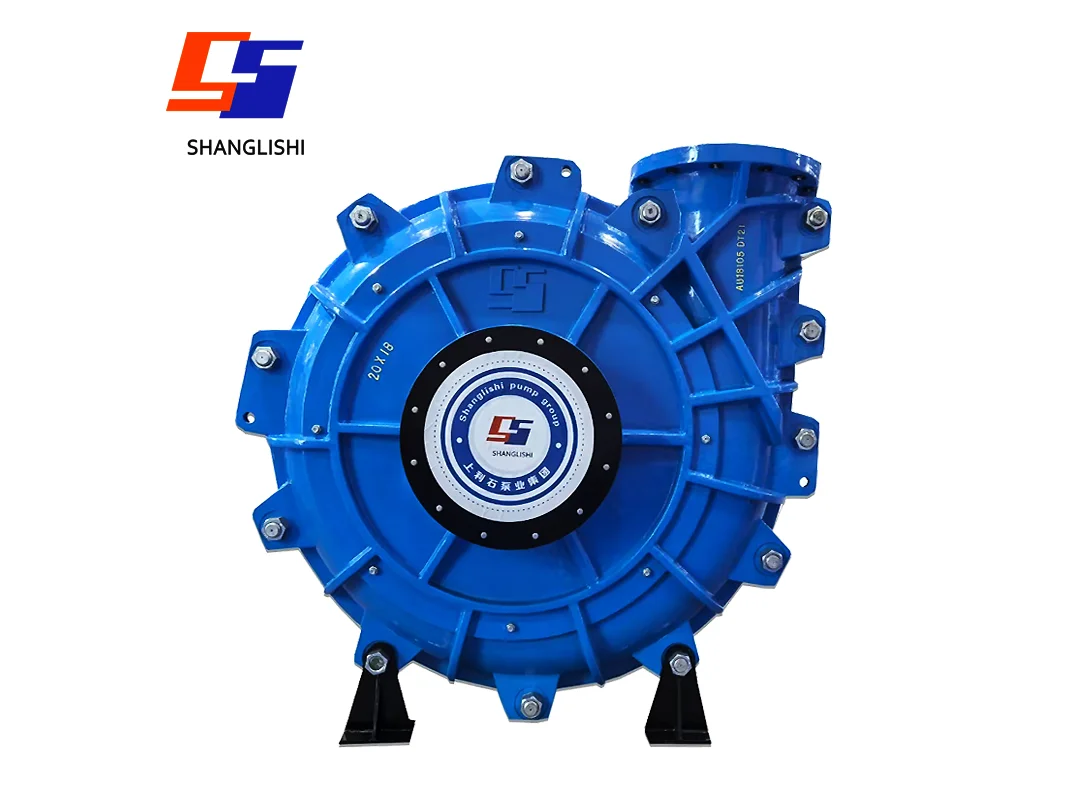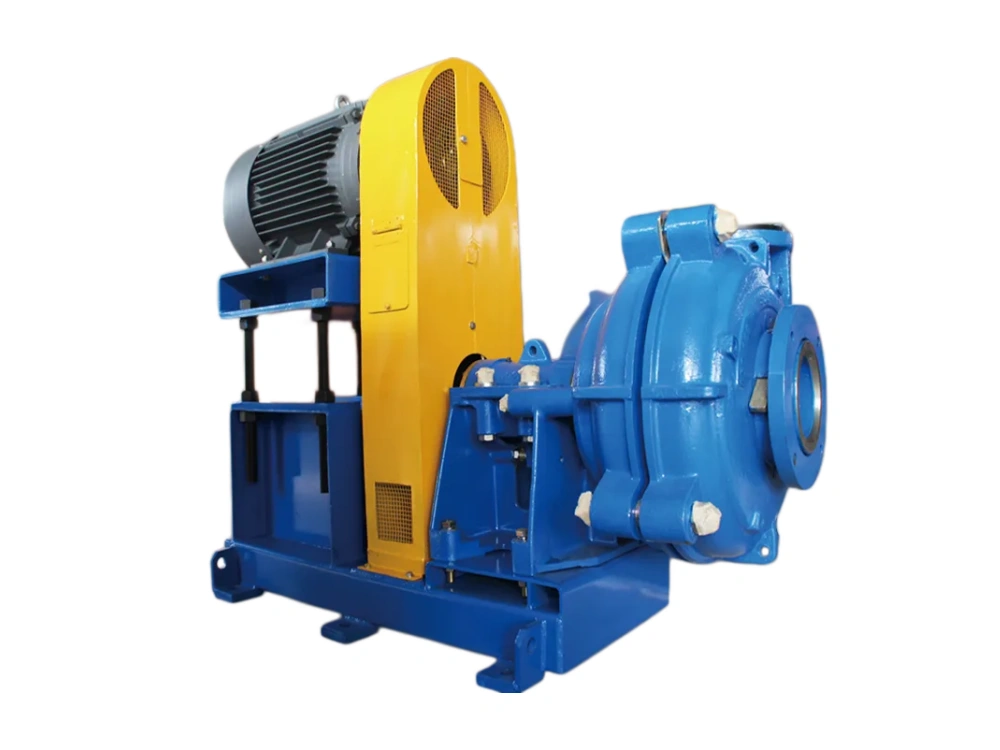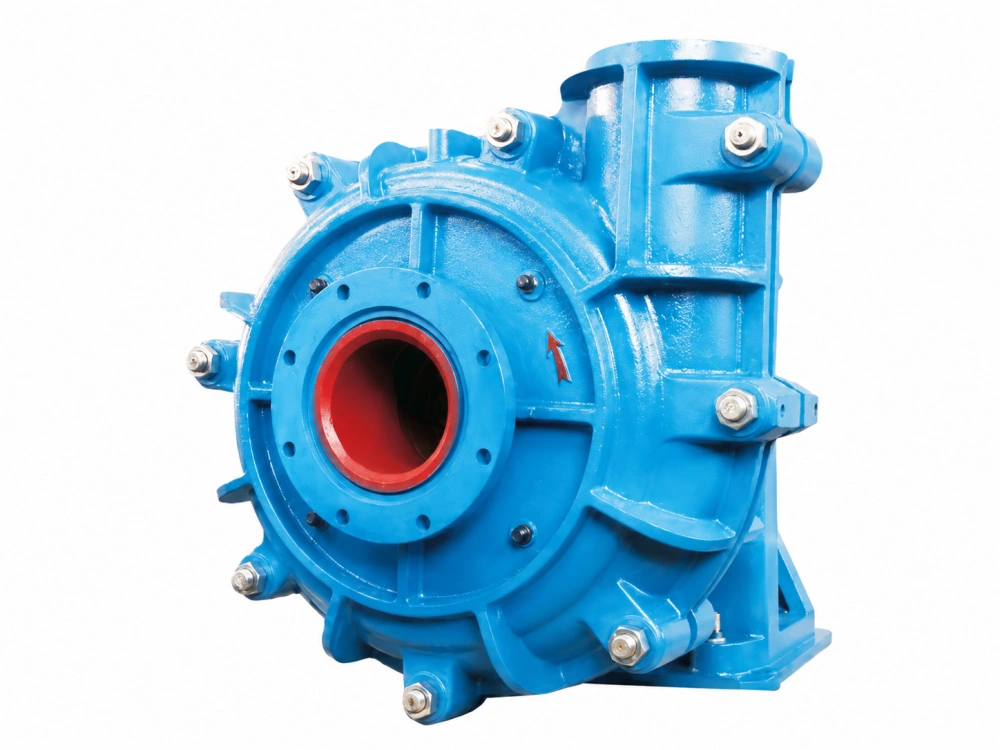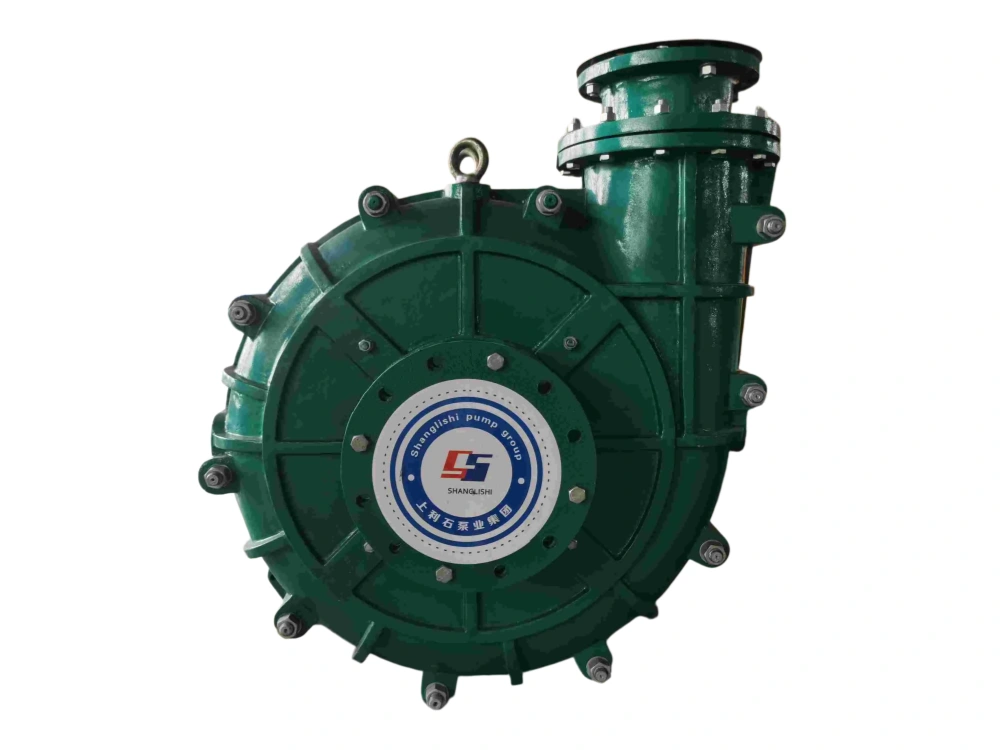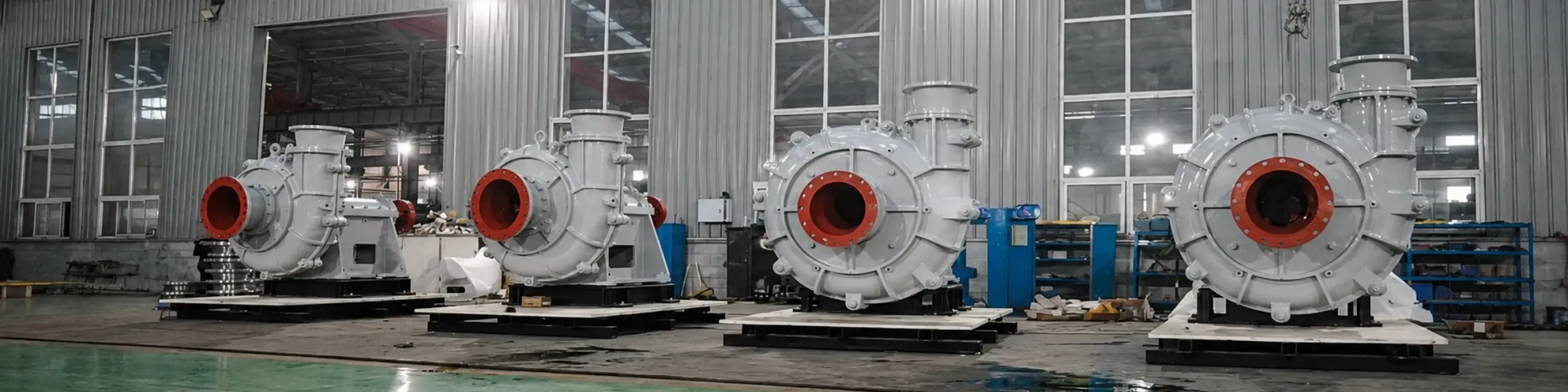
SAZP Ceramic Slurry Pump — For Abrasion and Corrosion Together
Ceramic and silicon carbide wetted parts for strongly abrasive, corrosive slurry in metal and non-metal ore concentrators. Our own patented design; installation dimensions interchange with metal slurry pumps.
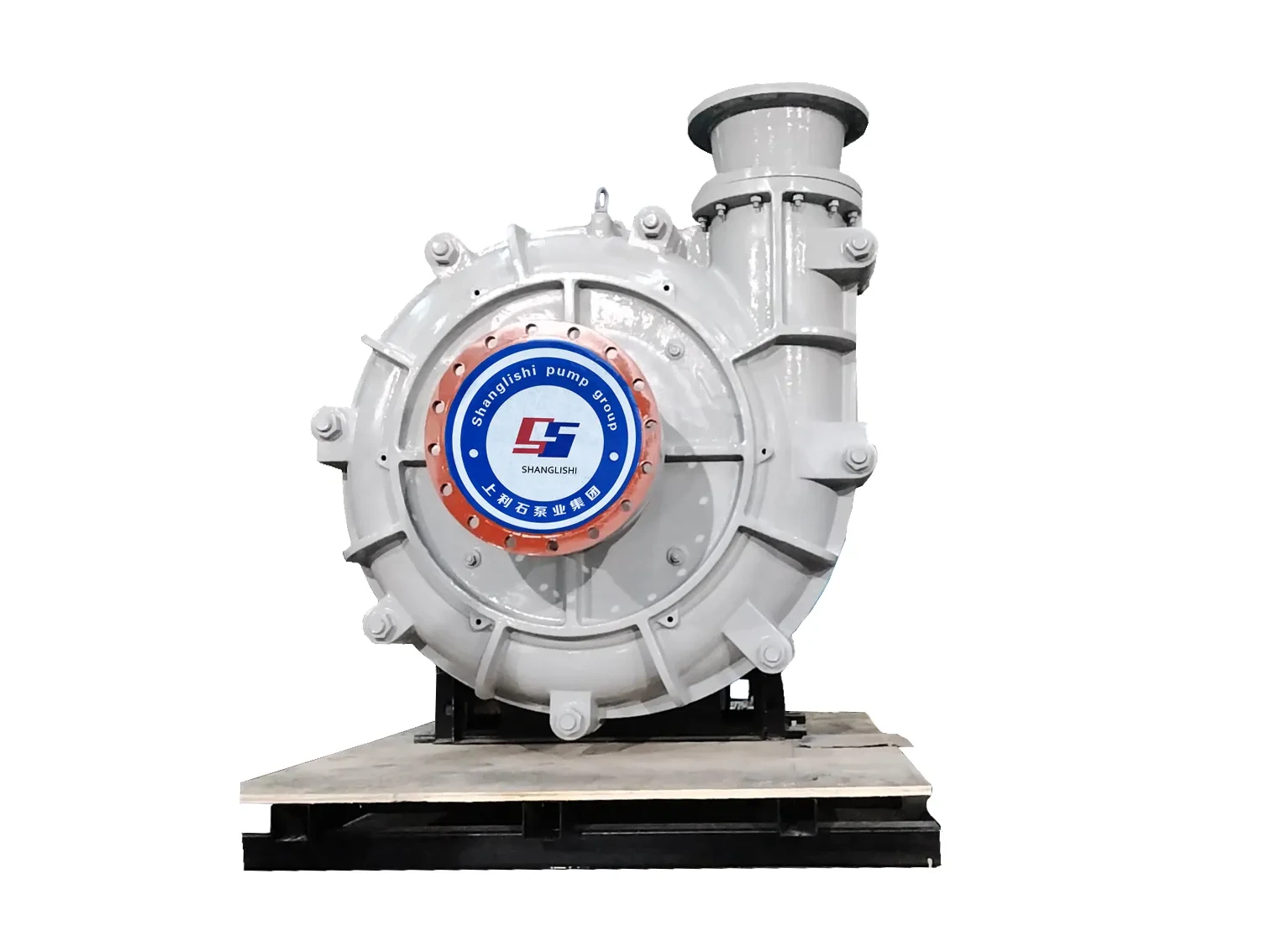
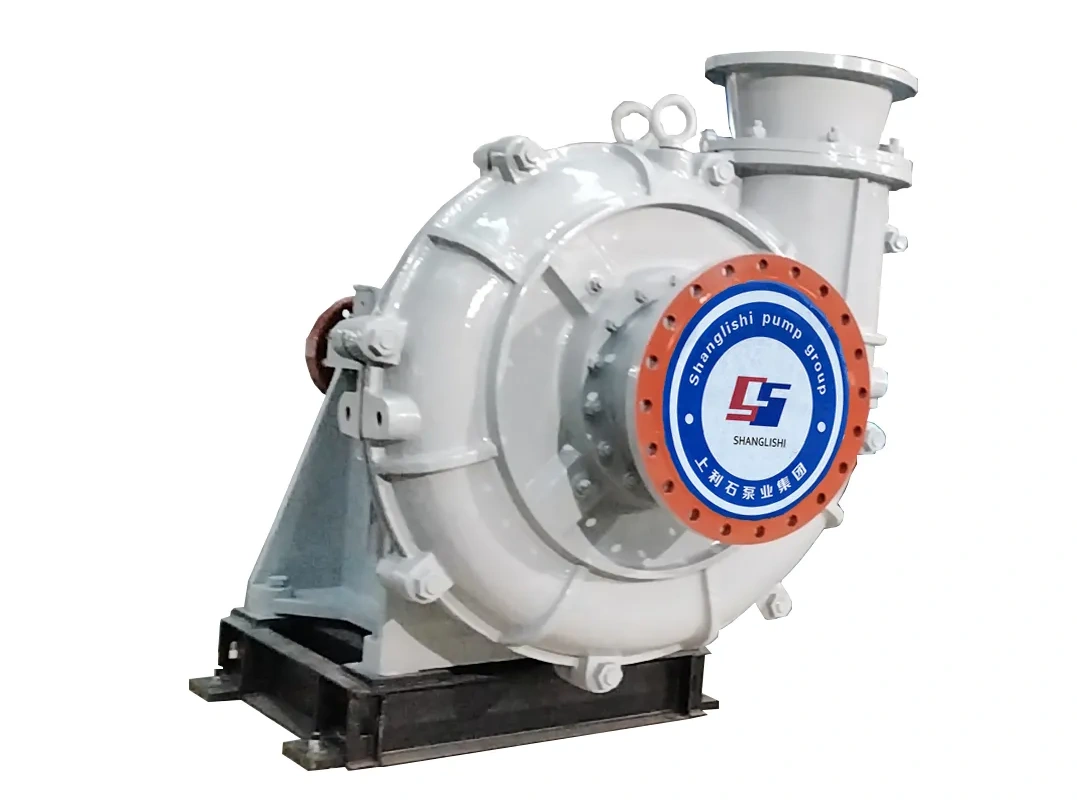
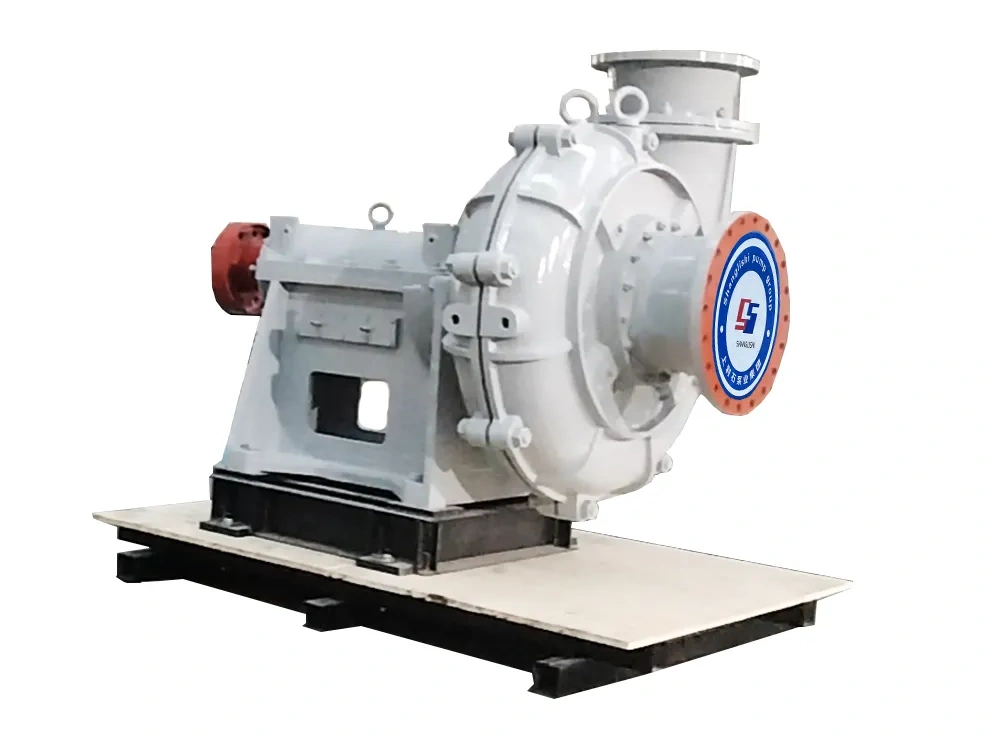
SAZP ceramic slurry pumps are built for the duties where abrasion and corrosion occur together — conditions in which a metal wet end is attacked from both directions at once. Wetted parts are sintered silicon nitride bonded with silicon carbide.
- Our own patented design — ZL2021219163720 and ZL202121915677X
- Drafting member of the group standard for centrifugal ceramic slurry pumps
- Wetted parts in ceramic and silicon carbide, not metal
- Split pump-head construction — simpler to install than a one-piece casing
- Expeller plus packing seal; grease-lubricated bearings, no thin-oil leakage path
- Installation dimensions and parts interchange with metal slurry pumps
CE · EAC · ISO 9001 · ISO 14001 · ISO 45001
When Ceramic Is the Right Answer
High-chrome white iron resists abrasion well, but corrosion attacks the matrix between the hard carbides; the carbides are then lost mechanically. Where the slurry is both strongly abrasive and chemically aggressive, hardness alone does not address the mechanism.
Ceramic and silicon carbide resist both. The material is chemically inert and extremely hard, so neither mechanism has a route in. It suits metal and non-metal ore concentrators running strongly abrasive, high-concentration slurry.
In service the difference shows up as wear rate. Silicon carbide is second only to diamond in hardness, and it resists almost all acids, alkalis and chemicals, with the exception of hydrofluoric acid and hot concentrated alkali. In a comparative wear test at Xi'an Jiaotong University, the silicon carbide material showed 3.51 times the wear resistance of Cr30 wear-resistant steel. Solids loading is not the limit either — the pumps handle up to 45% solids by weight in ash slurry and 60% in ore slurry.
- Strong abrasion with corrosion — the combination that shortens metal wet-end life.
- High solids concentration — where wear rate scales with loading.
- Non-metal ore dressing — frequently acidic or otherwise aggressive process water.
What It Has Done in Service
On a gold concentrator in Ghana our ceramic wet ends have run past five years, against the two to three years the site had been getting from metal pumps. After the changeover the site measured roughly 15% lower power draw and about 20% more flow on the same duty, with maintenance interventions down around 60% and spare-part spend close to half.
Construction
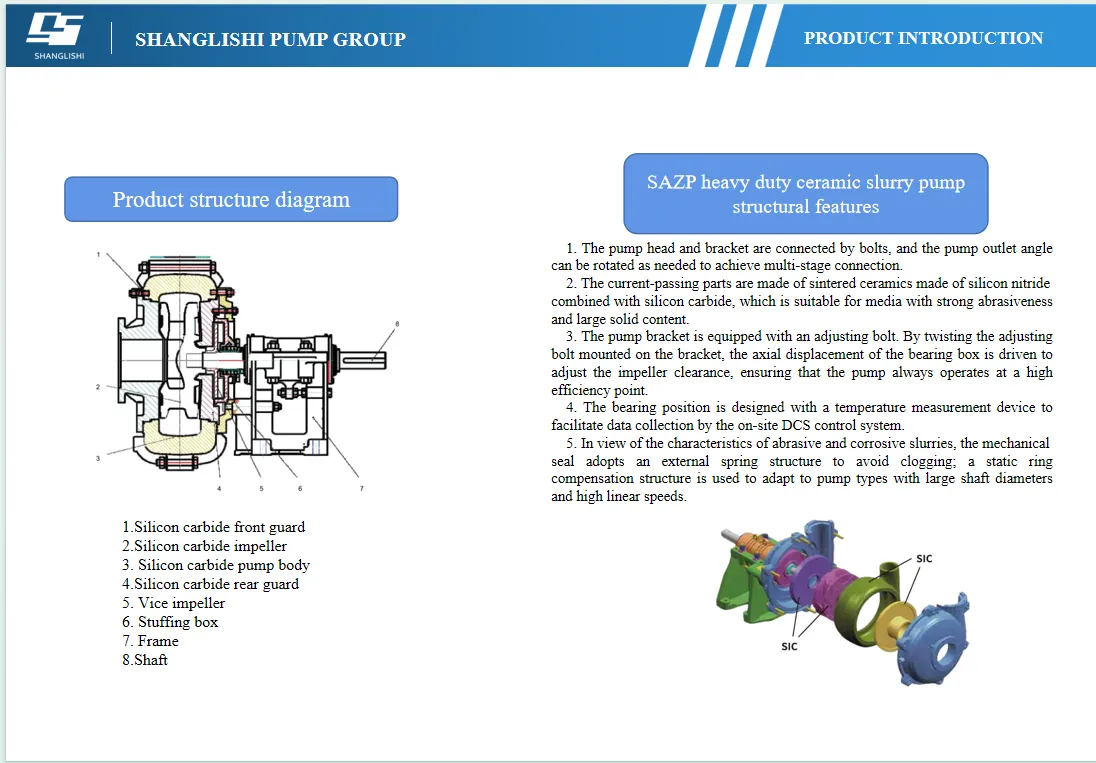
- Split pump head. The head and bracket are bolted together and the outlet angle rotates as required, which allows multi-stage connection and simplifies installation.
- Sintered ceramic wetted parts. Silicon nitride bonded with silicon carbide, for media with strong abrasiveness and high solids content.
- Impeller clearance adjustment. An adjusting bolt on the bracket drives axial displacement of the bearing housing, so running clearance can be reset and the pump kept near its efficiency point. Normal running clearance is 0.1 to 0.3 mm.
- Bearing temperature sensing. Designed into the bearing position for collection by the site DCS.
- Mechanical seal for abrasive duty. External spring construction avoids clogging; static ring compensation suits large shaft diameters and high surface speeds.
- Shaft and bearings. A large-diameter shaft with a short overhang limits deflection under load, which is what protects the seal; roller and angular-contact bearings take the radial and axial forces.
- Tapered space ahead of the seal. A wide conical clearance between impeller and cover keeps solids out of the shaft-seal area and extends seal life.
- Grease-lubricated bearings. Removes the leakage path associated with thin-oil lubrication.
Component Callouts
Silicon carbide front guard · silicon carbide impeller · silicon carbide pump body · silicon carbide rear guard · expeller · stuffing box · frame · shaft.
Working Conditions
| Inlet and outlet diameter | 1–24″ (25–600 mm) |
|---|---|
| Flow range | 5–5000 m³/h |
| Head range | 10–120 m |
| Speed | 720, 990, 1480 and 2960 r/min |
| Power | 30–1200 kW |
| Main models | 1½/1 · 2/1½ · 3/2 · 4/3 · 6/4 · 8/6 · 10/8 · 12/10 · 14/12 · 16/14 · 18/16 · 20/18 · 24/20 · 24/22 · 28/24 |
| Frame type | B · C · D · E · F · G · ST |
| Medium | Strong abrasion, high-concentration slurry |
| Wetted material | Ceramic, silicon carbide |
| Drive type | DC / CV / CRZ / CLZ / ZVZ |
Model Designation
Example: 150-SAZP-500
| 150 | Outlet diameter in millimetres |
|---|---|
| SAZP | Ceramic slurry pump |
| 500 | Impeller diameter in millimetres |
What to Send With Your Enquiry
Send the flow and head, the slurry analysis with particle size distribution and solids concentration, the pH and any chloride content, and the operating temperature. Tell us whether the pump replaces an installed metal unit — installation dimensions and parts interchange with metal slurry pumps, so a direct replacement is often possible.
Send Your Enquiry
| Model designation | Example 150-SAZP-500: 150 → outlet diameter in mm, SAZP → ceramic slurry pump series, 500 → impeller diameter in mm |
|---|---|
| Construction | Horizontal centrifugal, split pump-head; pump head bolted to the bracket, discharge angle rotatable, multi-stage connection possible |
| Wetted parts | Sintered ceramic — silicon nitride combined with silicon carbide. Front guard, impeller, pump body and rear guard all in silicon carbide |
| Shaft sealing | Expeller and packing combination |
| Bearing lubrication | Grease lubricated |
| Inlet and outlet diameter | 1–24″ (25–600 mm) |
| Flow range | 5–5000 m³/h |
| Head range | 10–120 m |
| Speed | 720, 990, 1480 and 2960 r/min |
| Power | 30 to 1200 kW |
| Frame type | B, C, D, E, F, G and ST |
| Drive arrangements | DC, CV, CRZ, CLZ and ZVZ |
| Medium | Strongly abrasive, high-concentration slurry, including duties where abrasion and corrosion occur together |
When is ceramic worth specifying over high-chrome?
Where abrasion and corrosion occur together. Corrosion attacks the matrix between the hard carbides in a metal wet end and the carbides are then lost mechanically; ceramic is chemically inert, so that route is closed.
Will it fit in place of our existing metal pump?
Often yes. Installation dimensions and accessories interchange with metal slurry pumps. Send the existing model and mounting details and we will confirm before you order.
Is this your own design?
Yes — it is a patented product designed and developed by us, under patents ZL2021219163720 and ZL202121915677X. We are also a drafting member of the group standard for centrifugal ceramic slurry pumps.
How is running clearance maintained?
An adjusting bolt on the bracket drives axial displacement of the bearing housing, so the impeller clearance can be reset at scheduled maintenance to keep the pump near its efficiency point.
What sealing arrangement is used?
An expeller with packing seal, which is the arrangement commonly used in mineral processing. A mechanical seal with external spring construction and static ring compensation is available for abrasive duty.
Can bearing temperature be monitored?
Yes. The bearing position is designed with a temperature measurement device so data can be collected by the site DCS control system.
Manufacturer-direct supply · Technical pump-selection support · Export documentation on request.