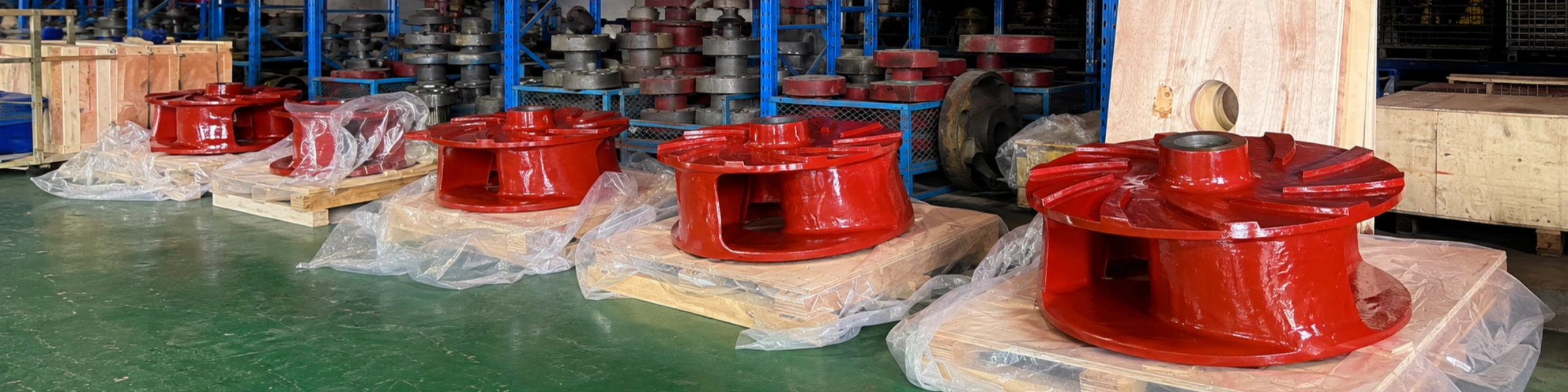
Slurry Pump Impellers Engineered to Outlast the Duty
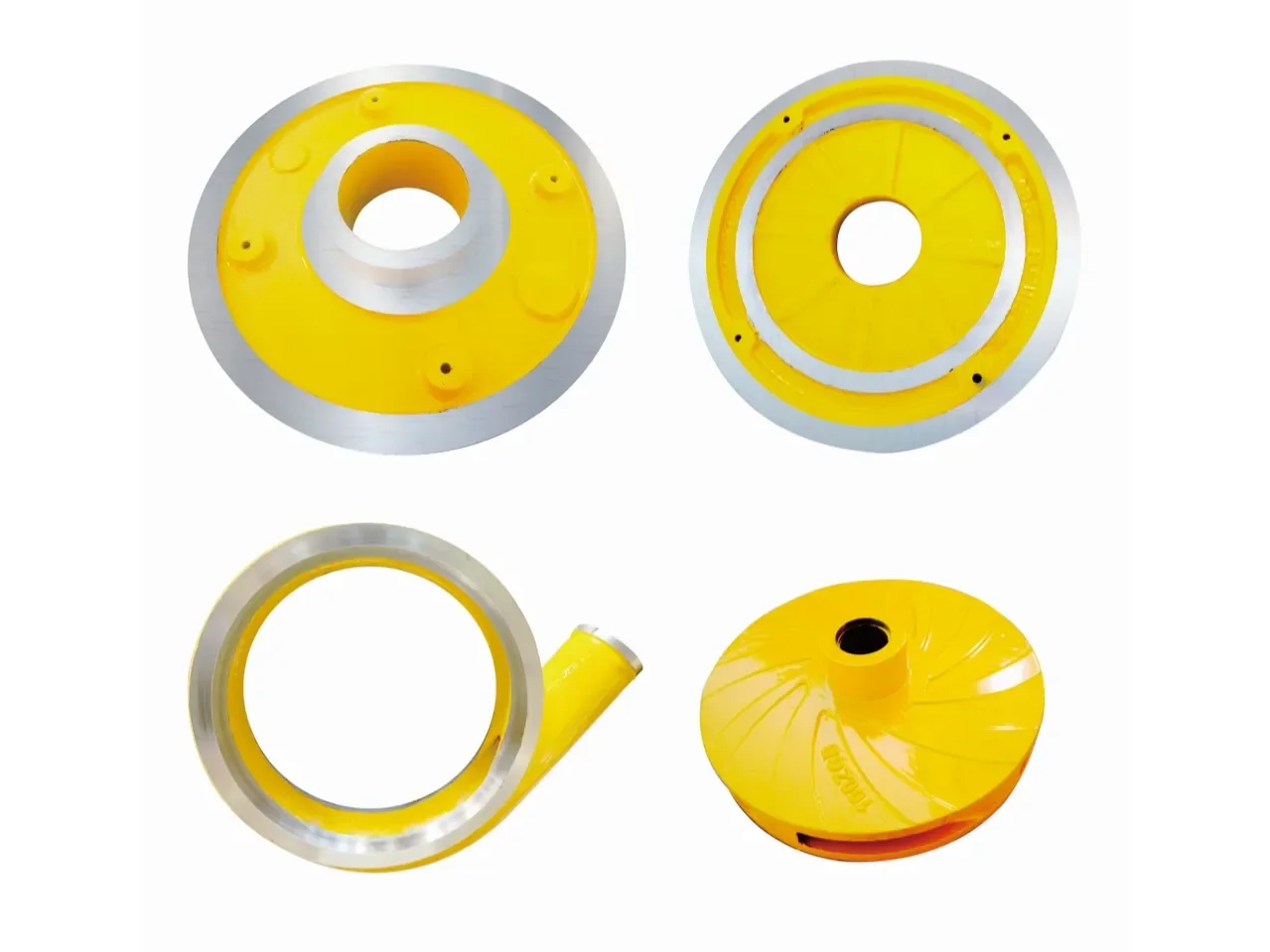
Slurry pump impellers are the primary wear part and are cast in wear-resistant grades matched to the duty. The core material is high-chromium alloy A05 (KmTBCr27, δb ≥700 MPa, ≥HRC62), with rubber and polyurethane options for finer or corrosive slurry. Impeller diameters, vane counts and bore/fit dimensions per pump model.
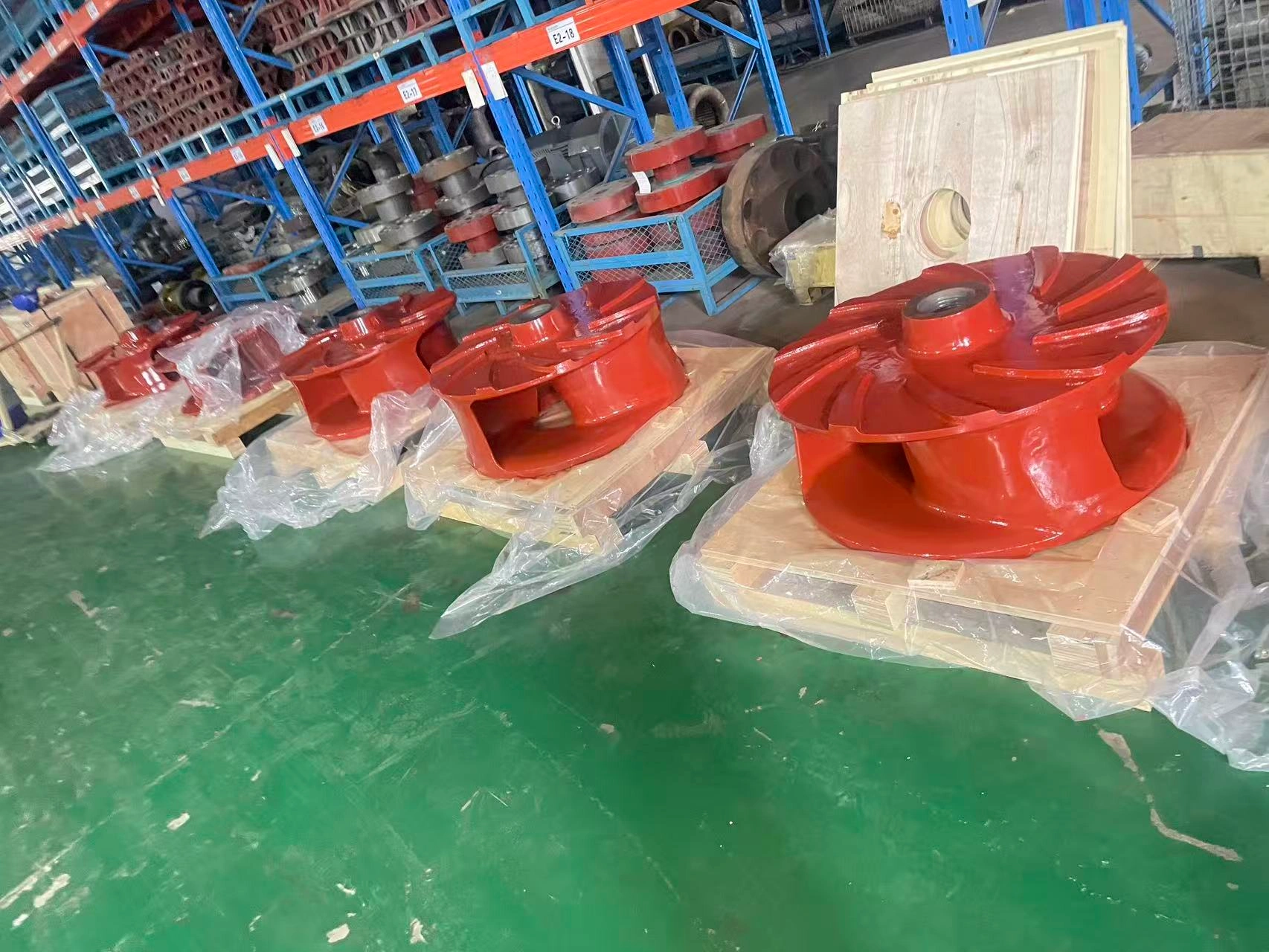
Slurry pump impellers — the part that sets both the duty point and the wear life. A replaceable wear element inside a double casing, renewed without disturbing the pressure casing or the drive train.
- Back vanes on both shrouds reduce recirculation and extend wear life
- Impeller and casing matched on test so the power curve stays flat
- Forward adjustment restores 0.5–1 mm clearance and recovers efficiency without new parts
- Axial adjustment 0.05–0.6 mm depending on frame size
- Vibration above 7.1 mm/s indicates imbalance from uneven wear
- Nine wear-material grades; vane counts and diameters to duty
CE · EAC · ISO 9001 · ISO 14001 · ISO 45001
Overview
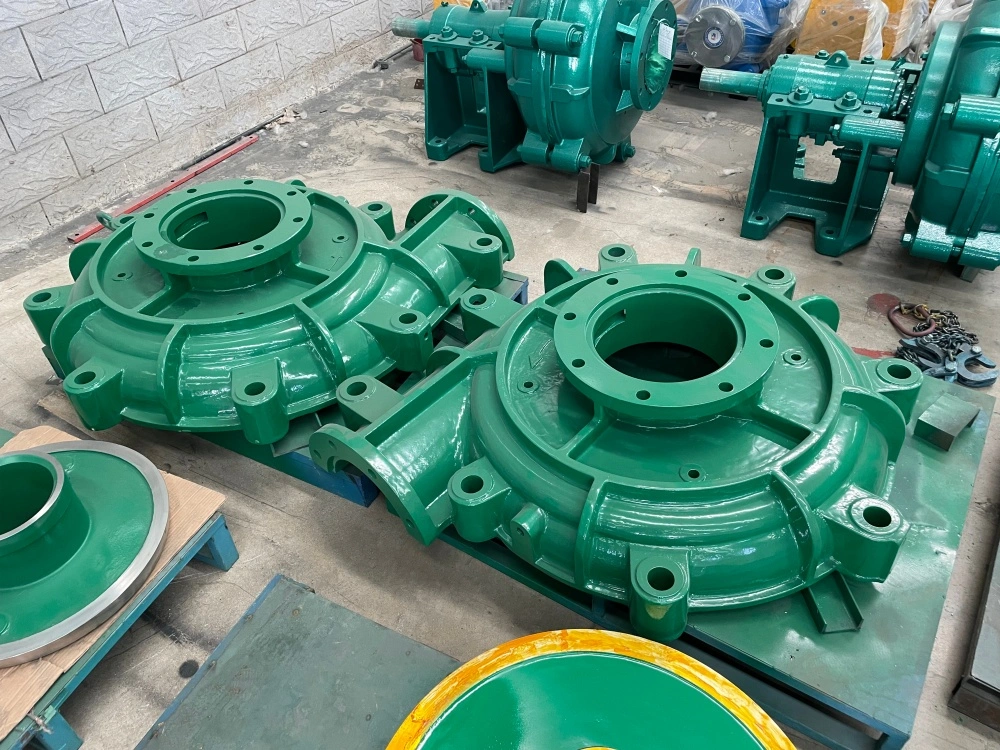
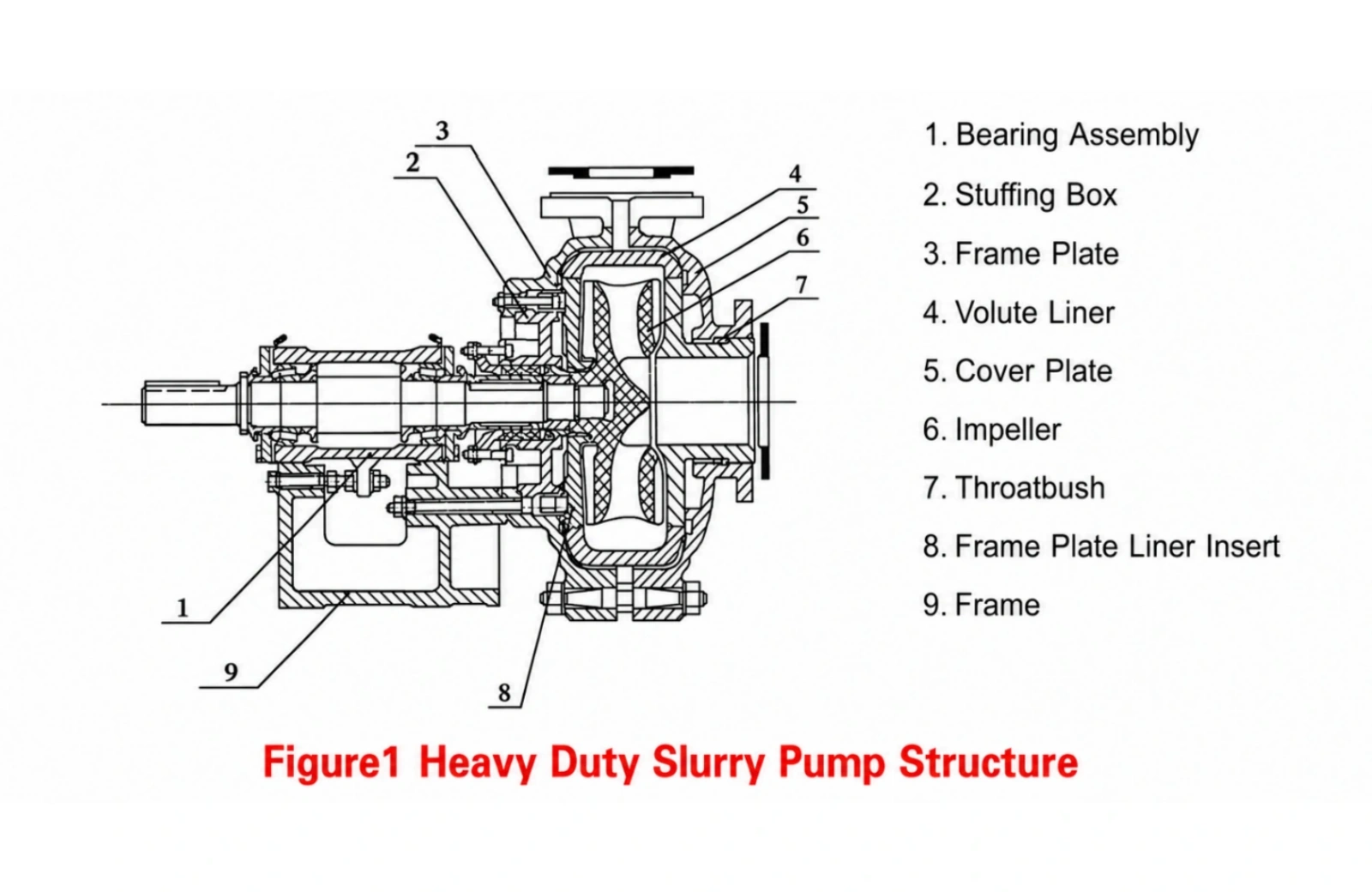
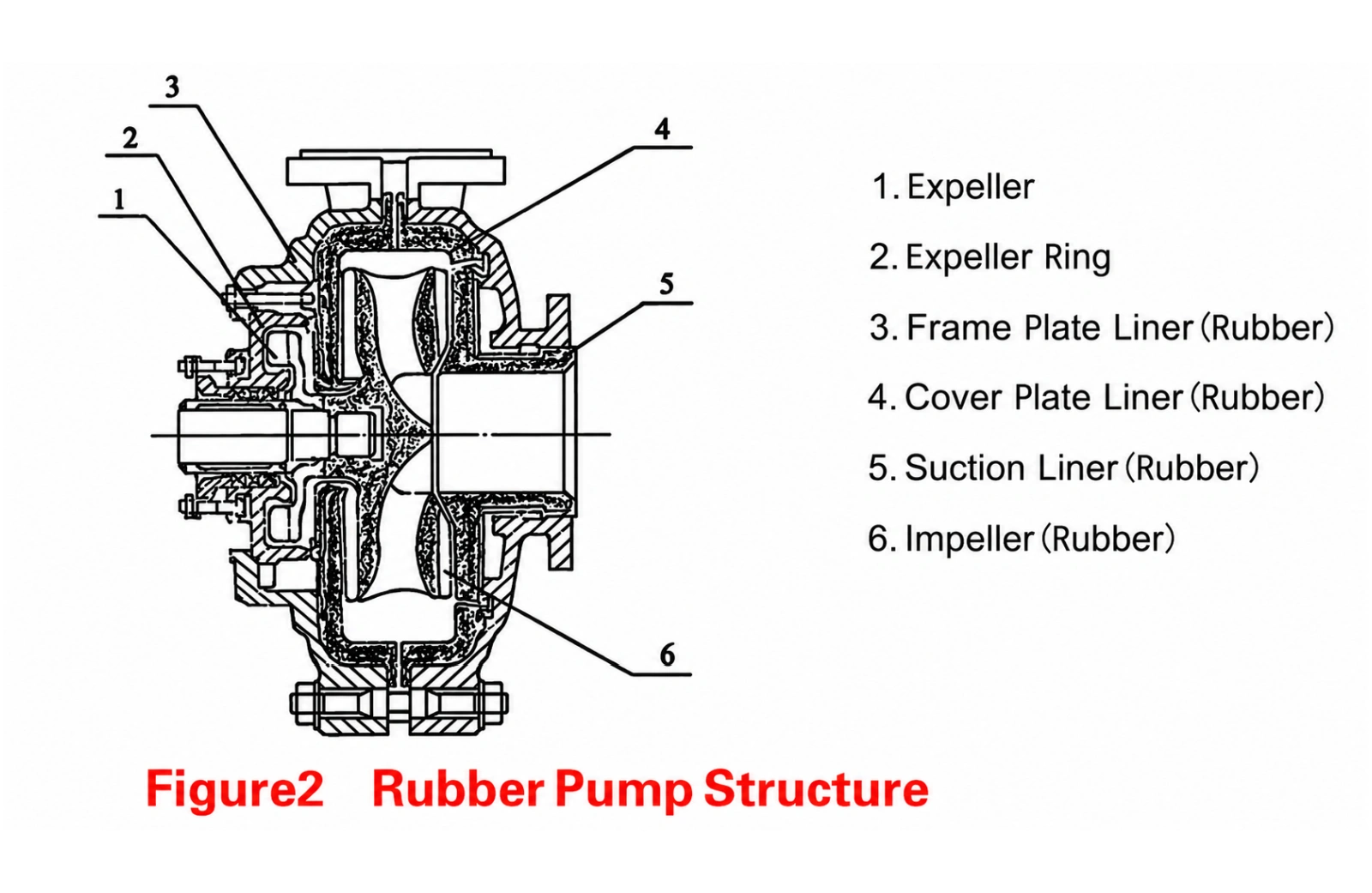
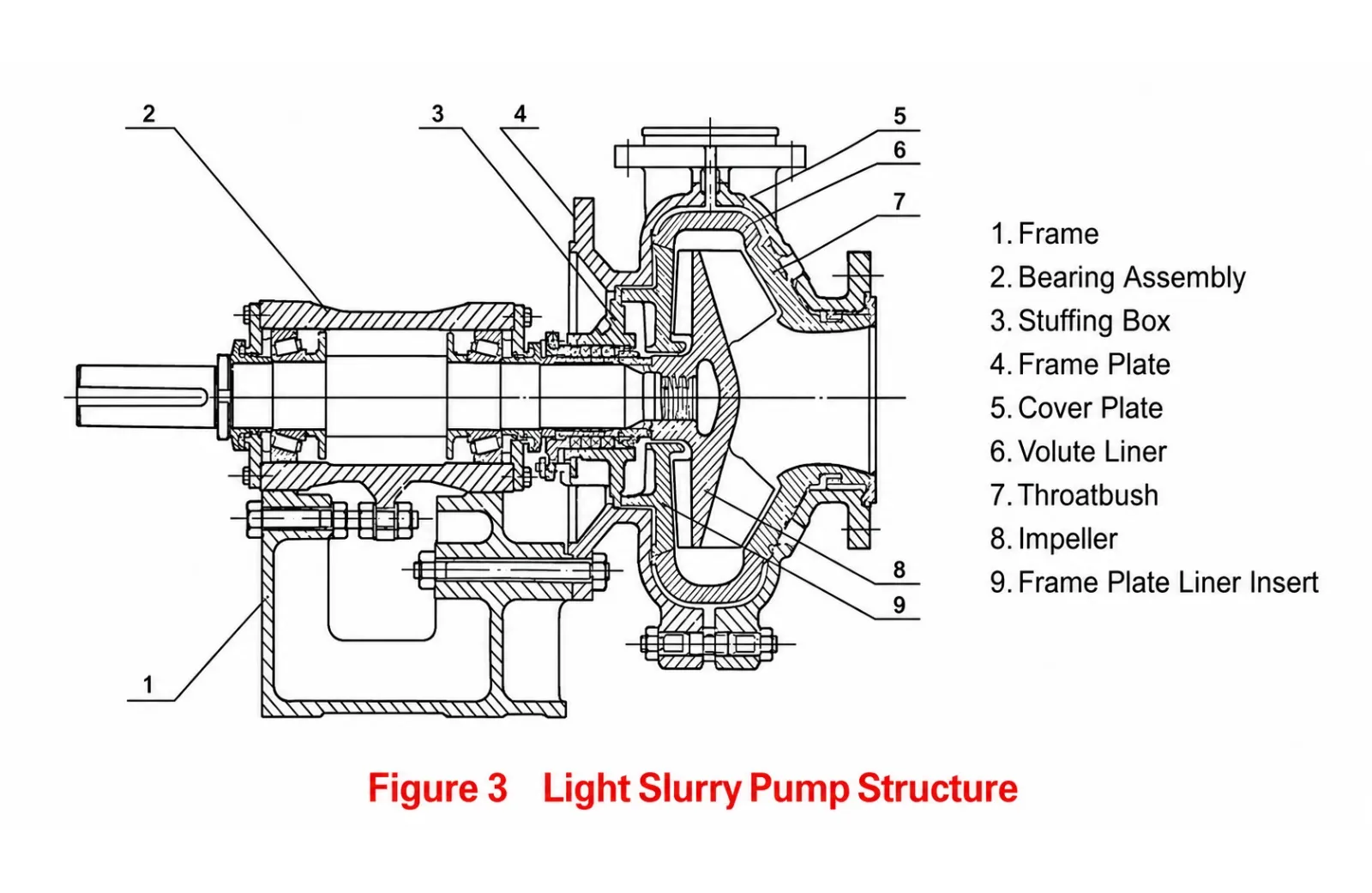
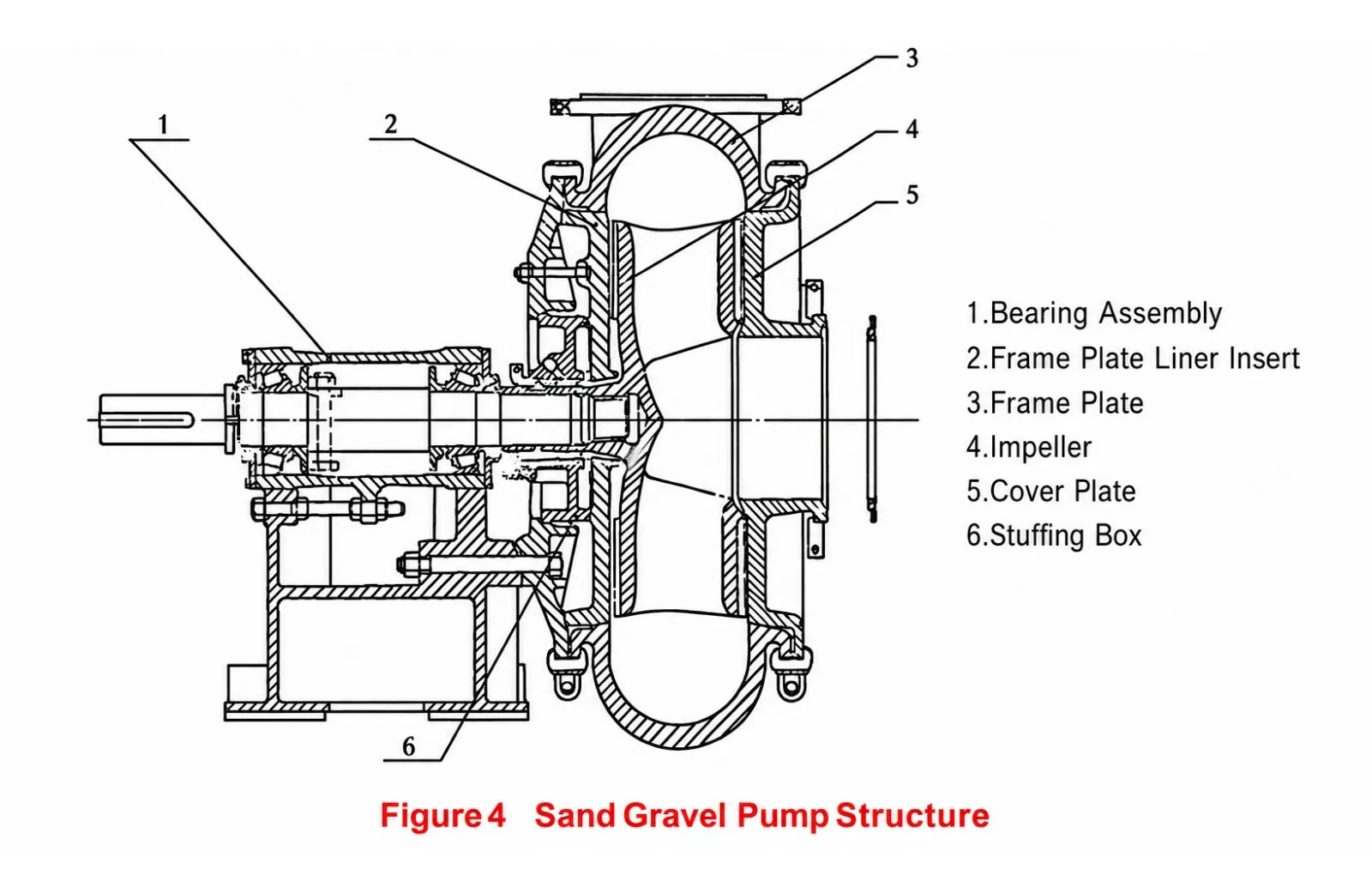
The impeller is the part that sets both the duty point and the wear life of a slurry pump. In our horizontal range it is a replaceable wear element inside a double casing, so it can be renewed without disturbing the pressure-containing body or the drive train.
Design Features
- Back vanes on both shrouds — the impeller carries back vanes on the front and rear shrouds. These reduce recirculation across the shroud faces, which lowers leakage loss and extends wear life rather than just raising efficiency on the test bed.
- Matched to the casing on test — impeller and casing are selected as a pair so the power curve stays flat and the pump is not easily overloaded when solids loading changes.
- Balanced — impellers are balanced accurately to keep vibration low. Vibration rising above 7.1 mm/s in service indicates imbalance from uneven wear or a lodged solid, and the impeller should be rebalanced or replaced.
- Semi-open forms — vertical and submersible builds use a semi-open impeller, in several cases with a mixing blade on the suction-side extension to keep solids in suspension at the intake.
Clearance and Adjustment
Slurry pump performance falls as the gap between the impeller and the front liner opens up with wear: efficiency drops and the duty point moves. The impeller is therefore designed to be adjusted forward in service to restore the running clearance, which recovers efficiency without replacing parts. Reset the clearance to 0.5–1 mm at scheduled maintenance, and always with the drive isolated. Axial adjustment available depends on frame size — from about 0.05–0.15 mm on the smallest frames to 0.5–0.6 mm on the largest.
Material Selection
Impeller material follows the wear mechanism rather than the pump size.
| Grade | Designation | Tensile δb (MPa) | Hardness | Application |
|---|---|---|---|---|
| A05 | KmTBCr27 | ≥700 | ≥HRC62 | High-impact abrasive wear, pH 5–12 |
| A07 | KmTBCr15Mo | ≥550 | ≥HRC59 | Best erosion resistance where impact is lower |
| A49 | Anti-corrosive iron | ≥600 | HRC43 | Low-pH duty, pH ≥4, including flue-gas service |
| Rubber | Natural / synthetic elastomer | — | — | Fine, high-concentration abrasive slurry without sharp angular particles |
| Polyurethane | — | — | — | Fine abrasive slurry; sliding wear duty |
| Ceramic | Silicon carbide | — | — | Strong wear plus corrosion duty; separate pump series |
Vane Count and Diameter
Vane count is selected against the medium: fewer vanes give the largest free passage for coarse solids and fibre, more vanes give a smoother curve on lighter duty. Vertical slurry pump impellers in the SSP range are five-vane with outside diameters from 188 mm on the 40 mm outlet size to 610 mm on the 300 mm size. Submersible sewage builds offer single-vane, two-vane and three-vane forms.
Ordering Replacement Impellers
Give us the pump model, the current impeller diameter, the material now fitted and the reason it is being replaced — even wear, impact damage, corrosion or a change of duty. Where the duty has changed, a different diameter or material may be the better answer than a like-for-like replacement. Dimensional data for matching existing installations is available on request.
Send Your Enquiry
| Material | Grade | Hardness | Best-fit |
|---|---|---|---|
| High-chrome | A05 (KmTBCr27) | ≥HRC62 | High-impact abrasive, pH 5–12 |
| High-chrome | A07 (KmTBCr15Mo) | ≥HRC59 | Best erosion resistance |
| Anti-corrosive | A49 | HRC43 | Low-pH / FGD |
| Rubber / PU | — | — | Fine particle / corrosive |
Why do back vanes matter?
They reduce recirculation across the shroud faces. That lowers leakage loss and extends wear life, which in slurry duty matters more than the small efficiency gain.
Can efficiency be recovered without new parts?
Often, yes. Performance falls as the impeller-to-liner clearance opens with wear. Adjusting the impeller forward to restore 0.5–1 mm clearance recovers much of the loss.
Which material for coarse, sharp solids?
A05 high-chrome white iron for high-impact abrasive wear at pH 5–12. Rubber and polyurethane are for fine slurry without sharp angular particles.
How do I know the impeller is worn rather than blocked?
A blockage usually appears as a sudden change with rising temperature; wear appears as a gradual fall in duty point at unchanged speed. Vibration above 7.1 mm/s points to imbalance.
Manufacturer-direct supply · Technical pump-selection support · Export documentation on request.