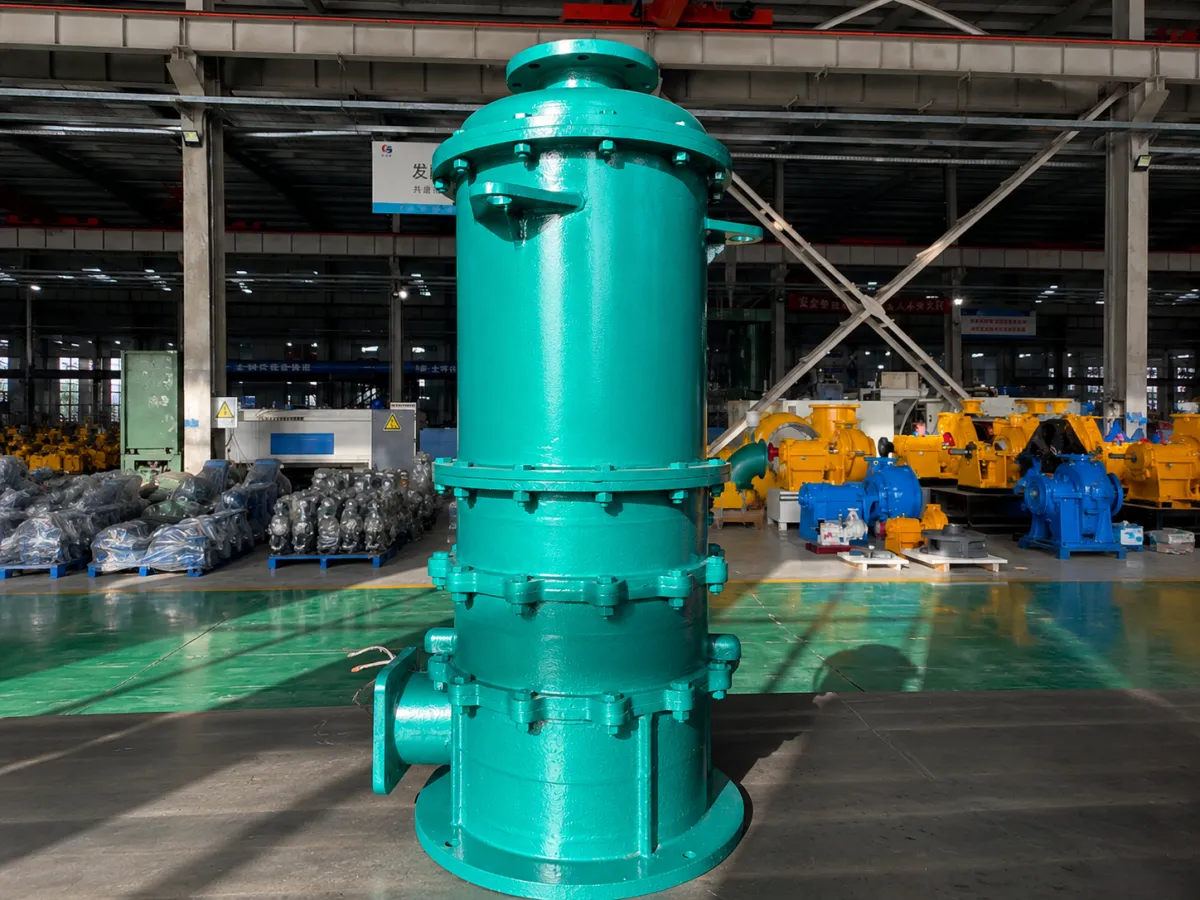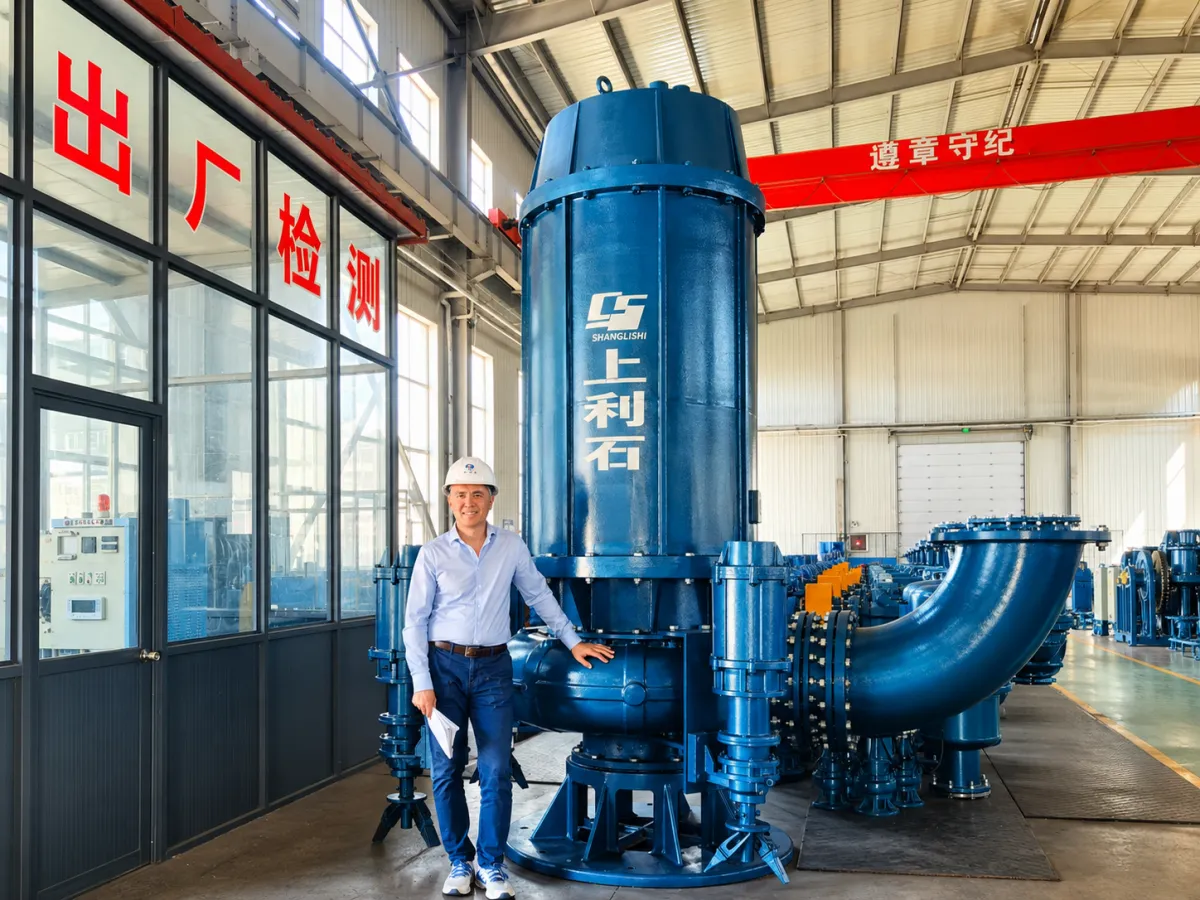
Submersible Sand Pump for River Sand Extraction
River-sand extraction pumps sand-laden water continuously from riverbeds, often unattended; gas-lock and motor cooling are the field risks.
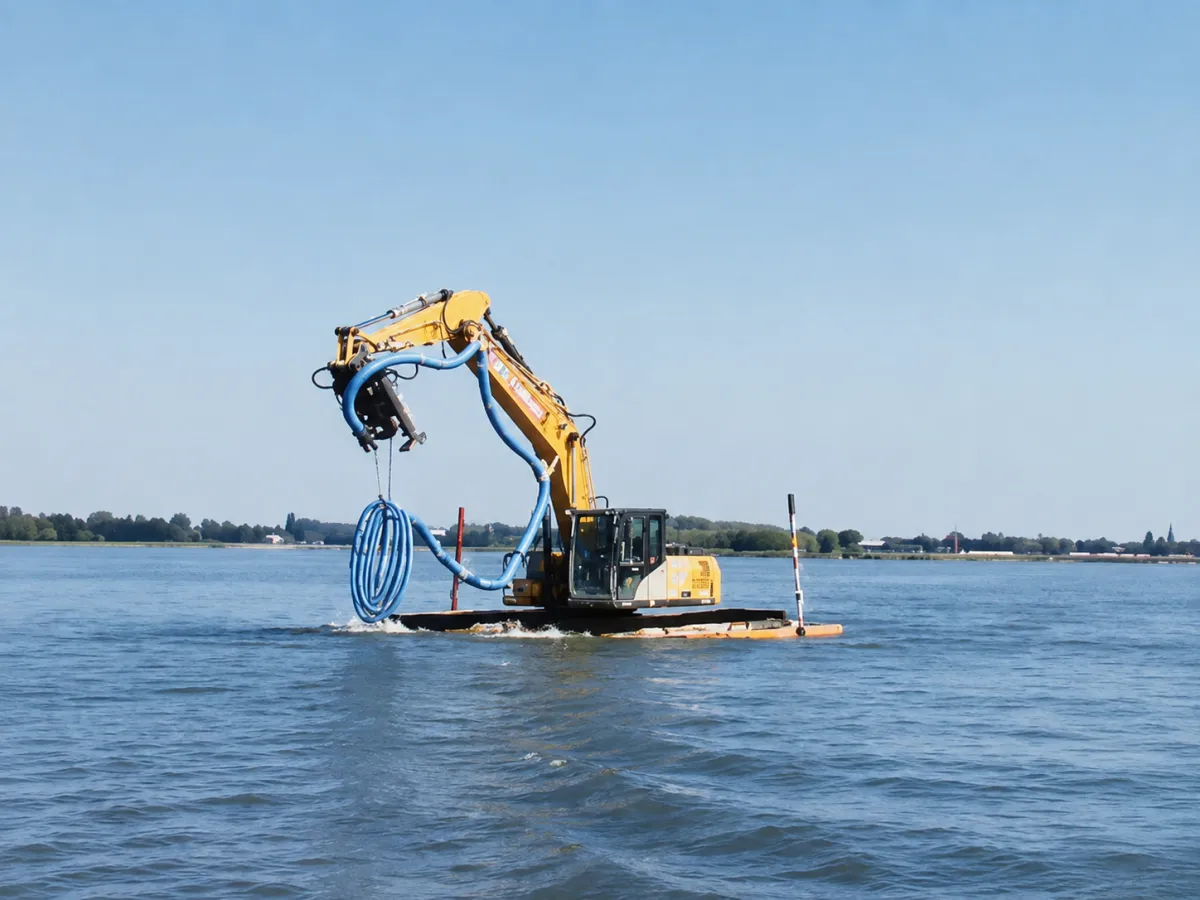
River sand extraction — pumping sand-laden water continuously from riverbeds, often unattended for long periods. Gas in the impeller zone and motor flooding are the two failure modes that normally require an operator on site.
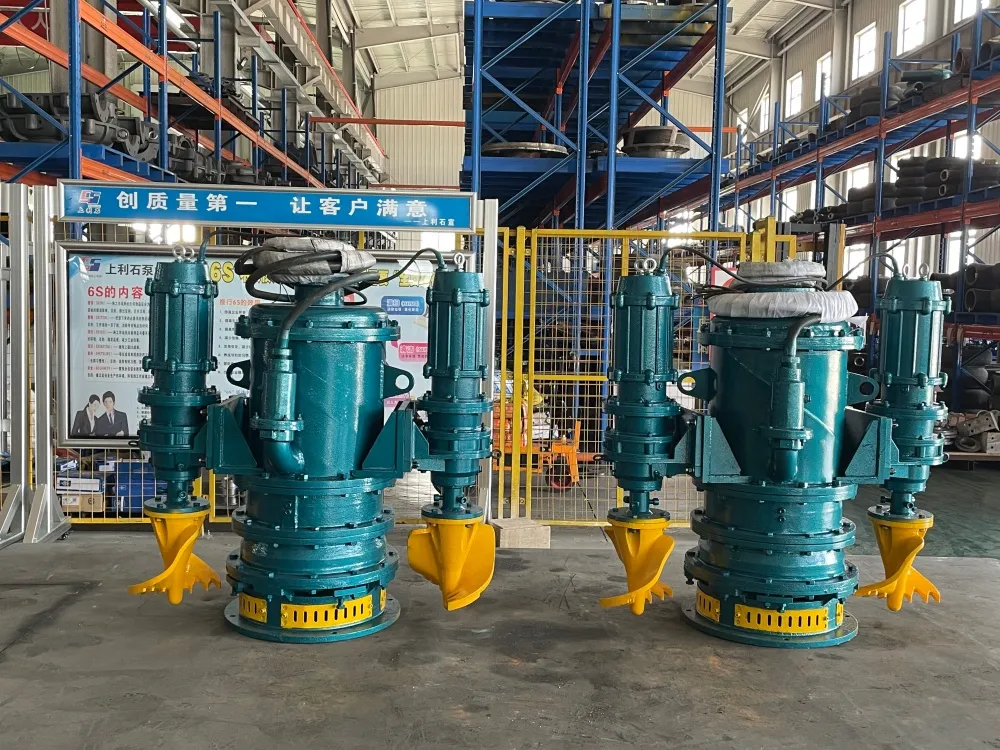
- SP(B)Q air-isolated submersible sand pump; patents ZL 202123102801.3 and ZL 202123054344.5
- Vented guide body expels gas from the impeller zone — continuous unattended running
- Sealed motor cooled by the pumped medium; no flooding required
- Discharge 65–400 mm; flow 30–2000 m³/h; head 6–260 m; power 3–315 kW
- Semi-open impeller passes solids to 60 mm at high concentration
- High-chrome alloy wet end for sand and gravel
CE · EAC · ISO 9001 · ISO 14001 · ISO 45001
What This Duty Demands
River sand extraction runs long hours with minimal supervision, often on a floating platform where access is awkward. Two things normally force an operator to be present: gas accumulating in the impeller zone, which makes the pump lose prime; and the motor requiring flooding to stay cool.
- Floating platform extraction — continuous duty, difficult access.
- Riverbank and terrace deposits — variable level as the season changes.
- Sand washing plant feed — steady duty feeding a fixed plant.
- Channel maintenance — intermittent, repositioned frequently.
Recommended Pump & Material
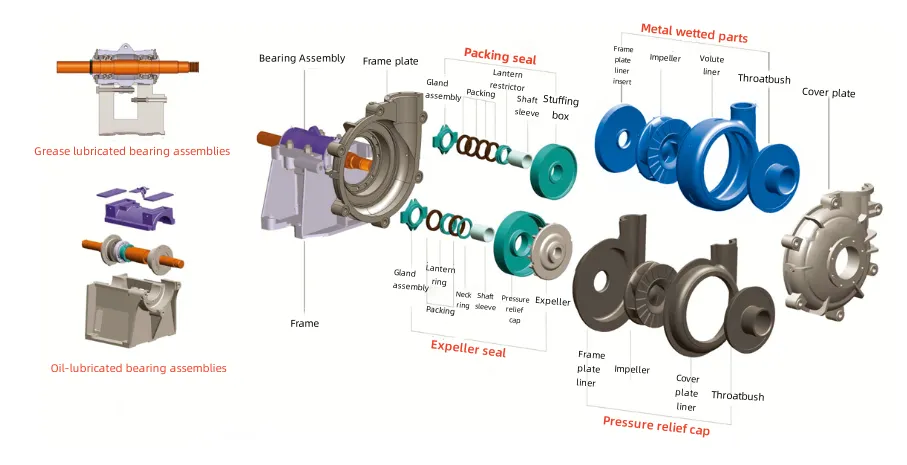
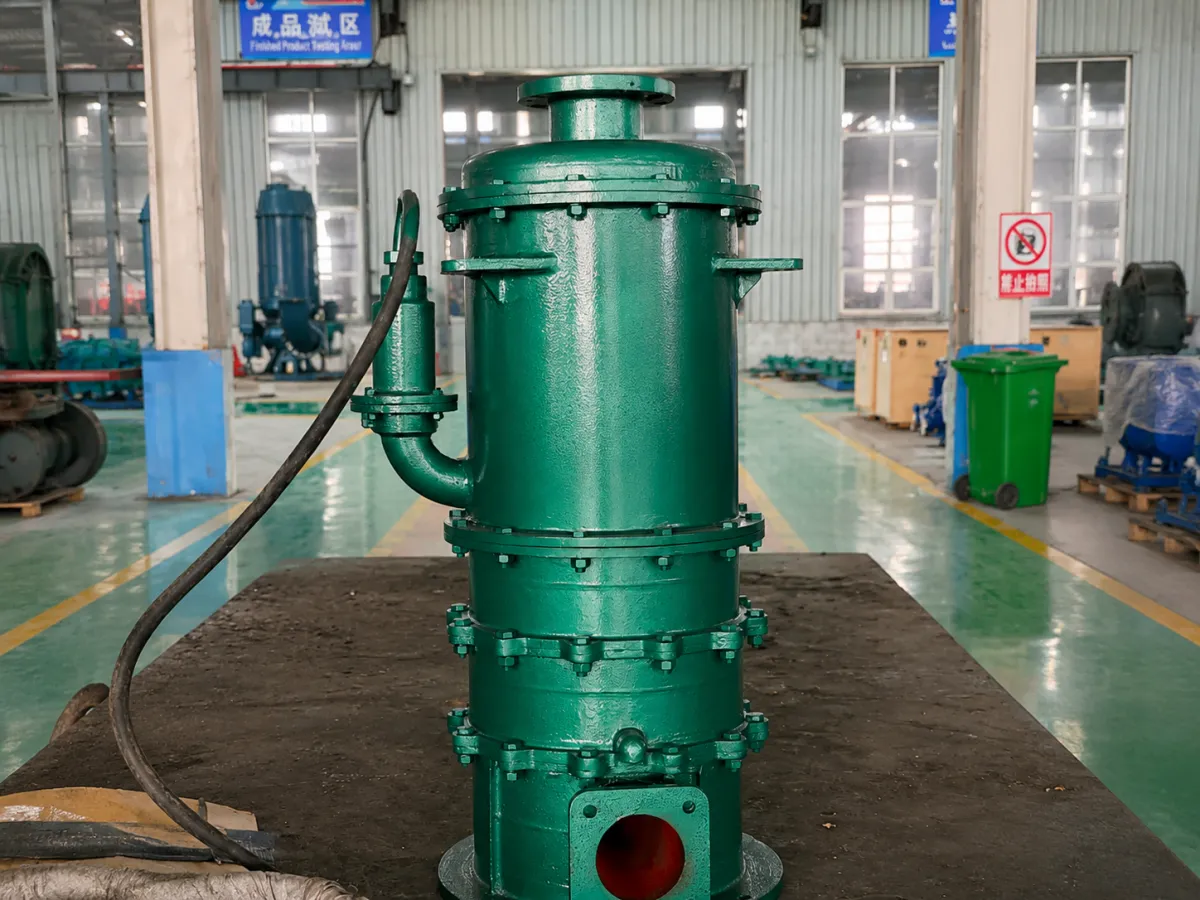
The SP(B)Q air-isolated submersible sand pump addresses both failure modes directly. A vent hole in the guide body at the mating face with the impeller blade discharges gas along the vent as it enters, so the pump keeps running rather than losing prime. The conveyed medium is exported from the outer sleeve of the motor and cools it, so the motor runs without flooding.
Both features are covered by our own patents (ZL 202123102801.3 and ZL 202123054344.5). The wet end is high-chrome alloy with a semi-open impeller passing solids to 60 mm.
Key Selection Parameters
| Sand grading and top size | Solids to 60 mm; grading affects the wear material |
|---|---|
| Solids concentration | Design and peak, which differ considerably in river work |
| Working depth and level variation | Seasonal range matters more than the design level |
| Discharge distance and lift | To the washing plant or stockpile |
| Supervision available | Whether the installation is genuinely unattended |
| Power supply | 380 V 50 Hz standard; 380–600 V and 50/60 Hz available |
| Deployment | Platform-mounted, fixed or repositioned |
What to Send Us
Send the sand grading and top size, the solids concentration, the working depth and seasonal level variation, the discharge distance and lift, and whether the installation will be supervised. We will confirm the model and the installation arrangement.
On Site
Send Your Enquiry
What makes unattended operation possible?
A vent hole in the guide body expels gas from the impeller zone as it enters, so the pump does not lose prime, and the sealed motor is cooled by the pumped medium rather than requiring flooding.
Are these features proprietary?
Yes — they are covered by our own patents ZL 202123102801.3 and ZL 202123054344.5.
What solid size can it pass?
Up to 60 mm, with a semi-open impeller sized for high solids concentration.
What head is available?
6 to 260 m across the range, with motors from 3 to 315 kW and discharge sizes 65 to 400 mm.
Manufacturer-direct supply · Technical pump-selection support · Export documentation on request.