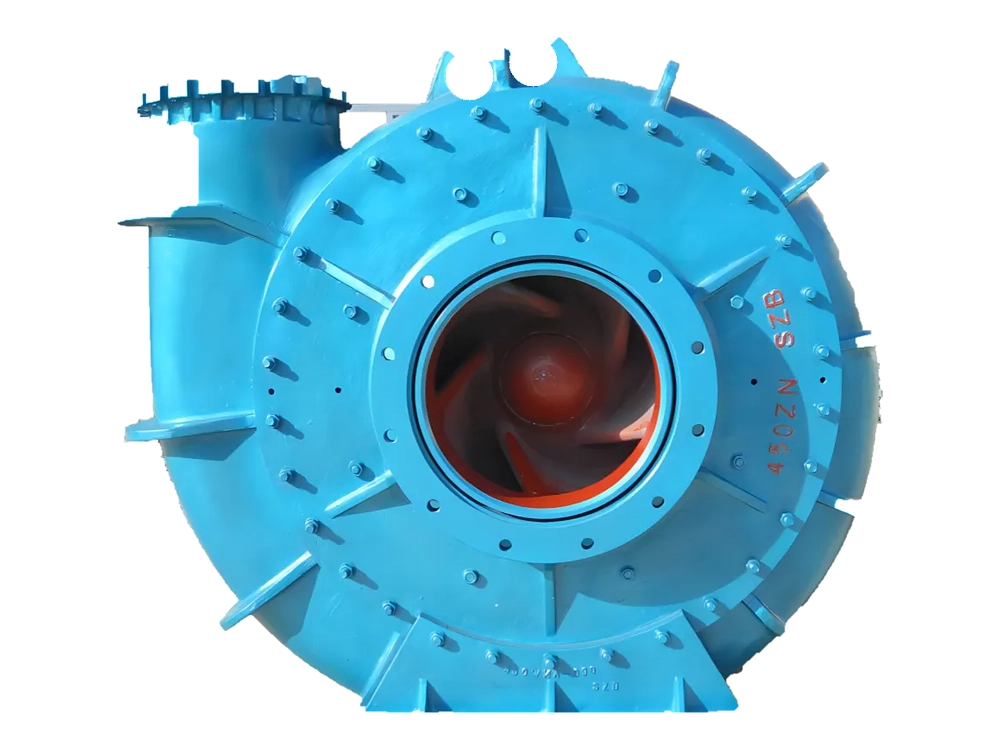
Dredge Pump for Sand Dredging Operations
Sand-dredging pumps solids-laden water from riverbeds, lakes and reclamation sites, prioritising passing size and wear life.
Sand dredging from riverbeds, lakes and reclamation sites — the pump works at the bed rather than drawing from the surface, so suction lift and priming stop being constraints.
- Submersible and horizontal dredge pump builds available
- Submersible units work at depth and transition to dry running
- Mixing wheel or cutting agitator fluidises the bed material
- High-chrome wet end with wide-passage semi-open impeller
- Mobile hose deployment — reposition without fixed pipework
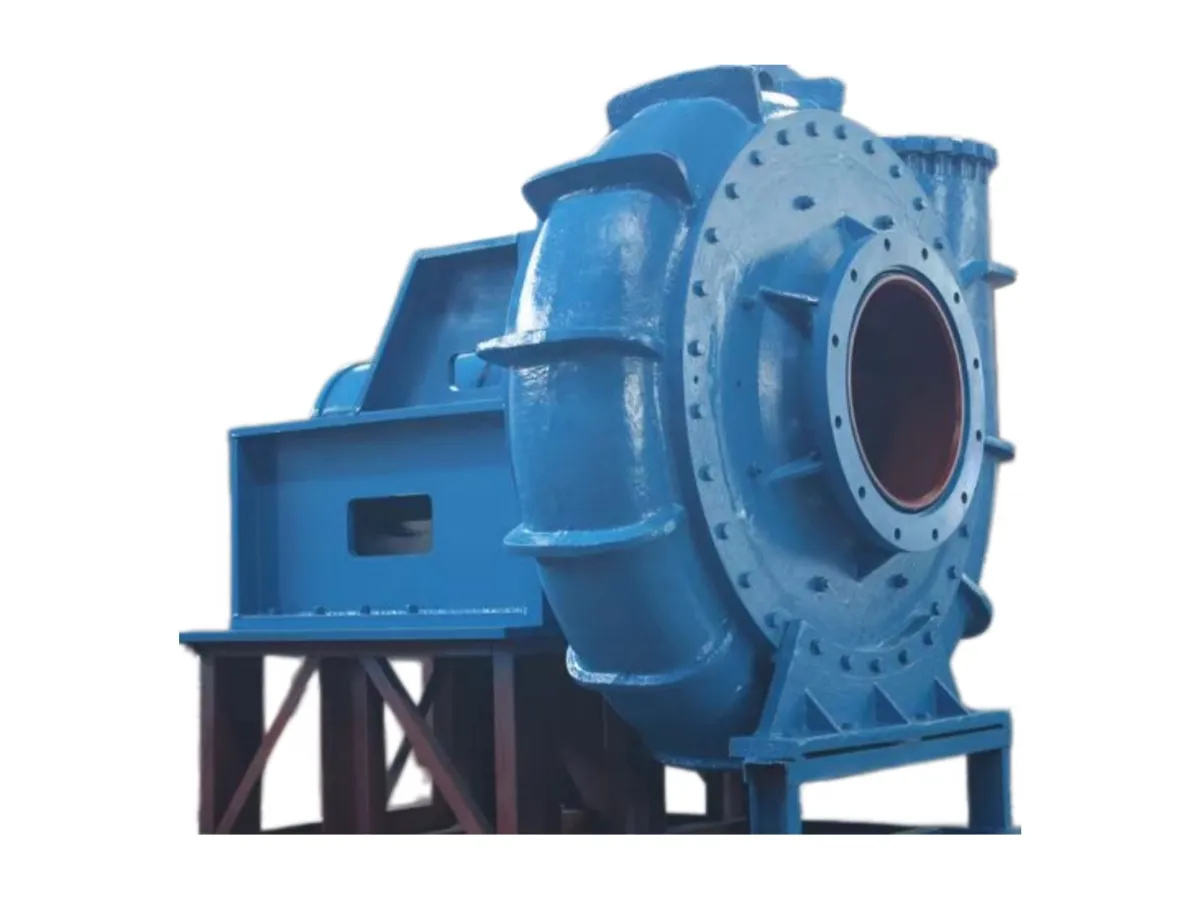
- Single-casing horizontal builds for the coarsest material
CE · EAC · ISO 9001 · ISO 14001 · ISO 45001
What This Duty Demands
Dredging fails at the intake, not at the discharge. Material that has consolidated on the bed will not flow to the suction on its own, and a pump without agitation lifts water while the deposit stays put.
- Riverbed sand extraction — continuous, the deposit is usually loose.
- Lake and reservoir desilting — fine consolidated silt that needs fluidising.
- Reclamation fill — long discharge lines, so total head matters as much as flow.
- Harbour and channel maintenance — mixed material with debris.
Recommended Pump & Material
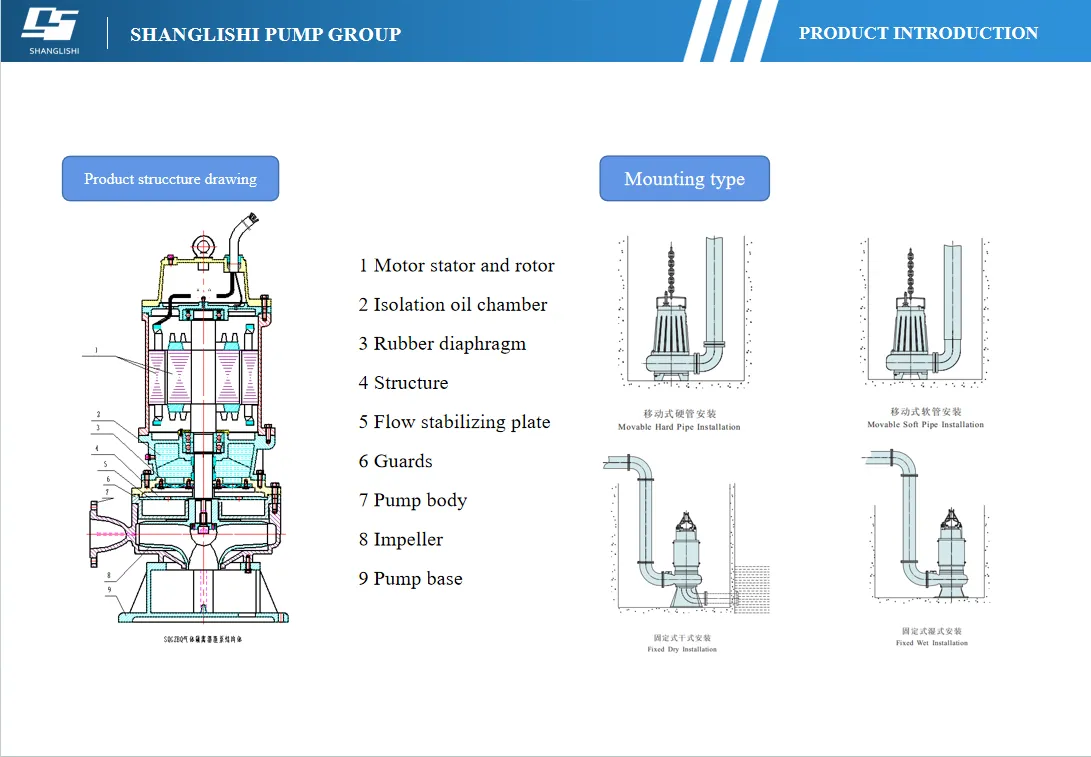
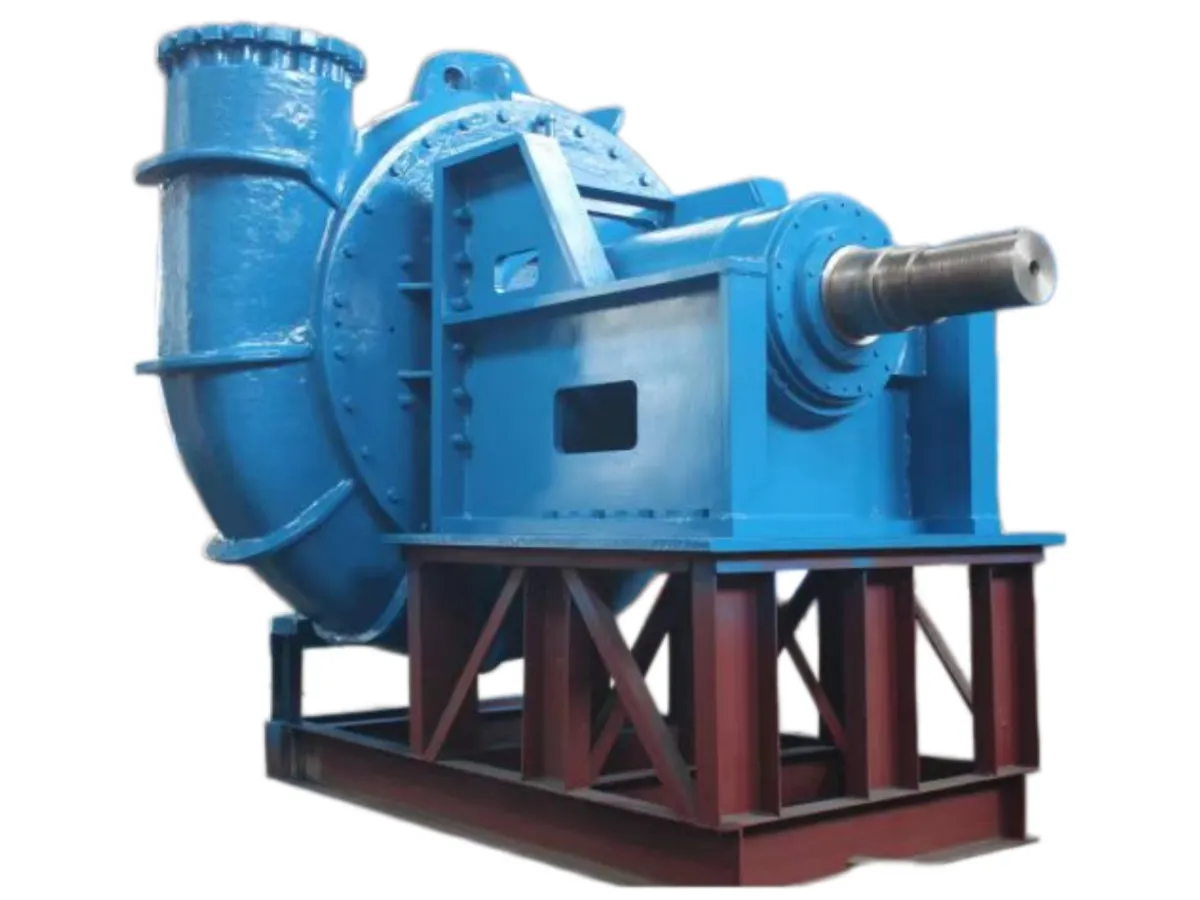
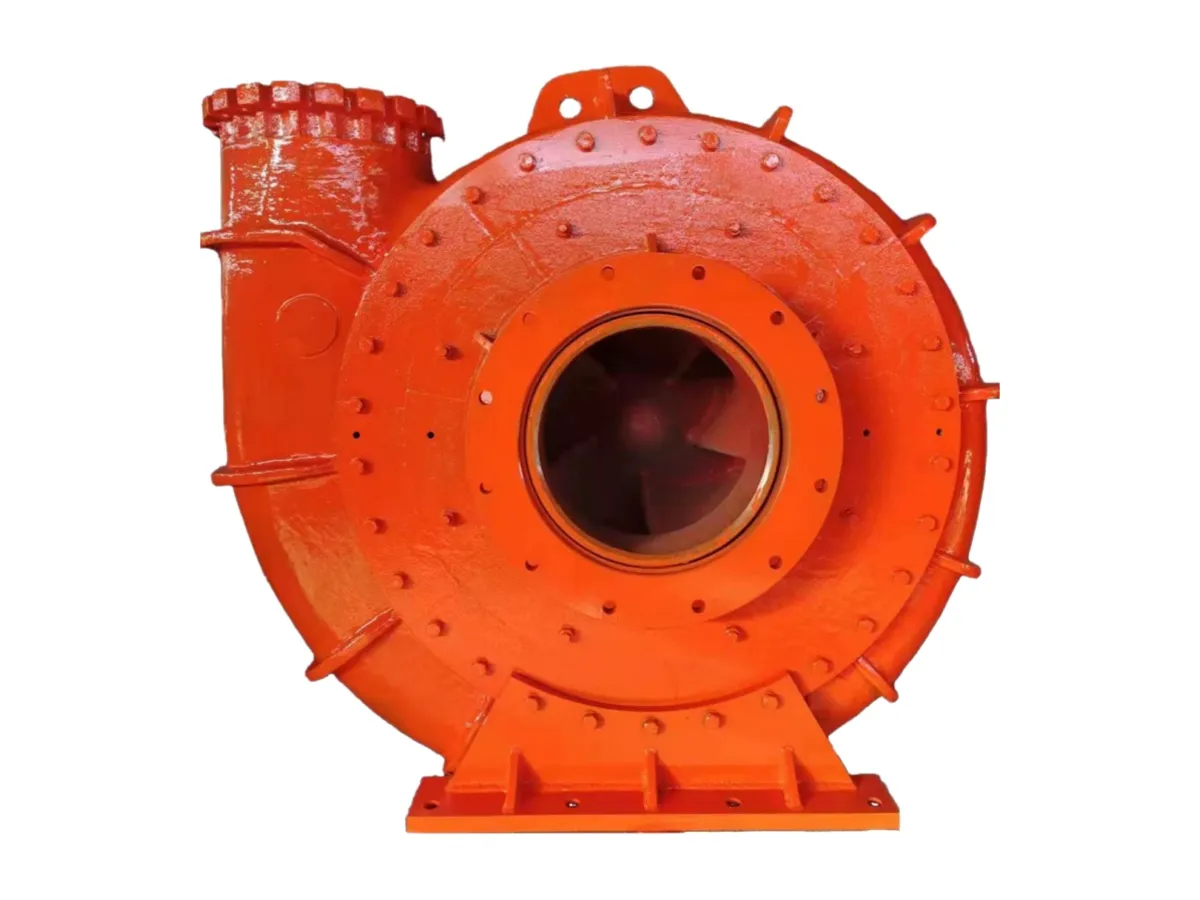
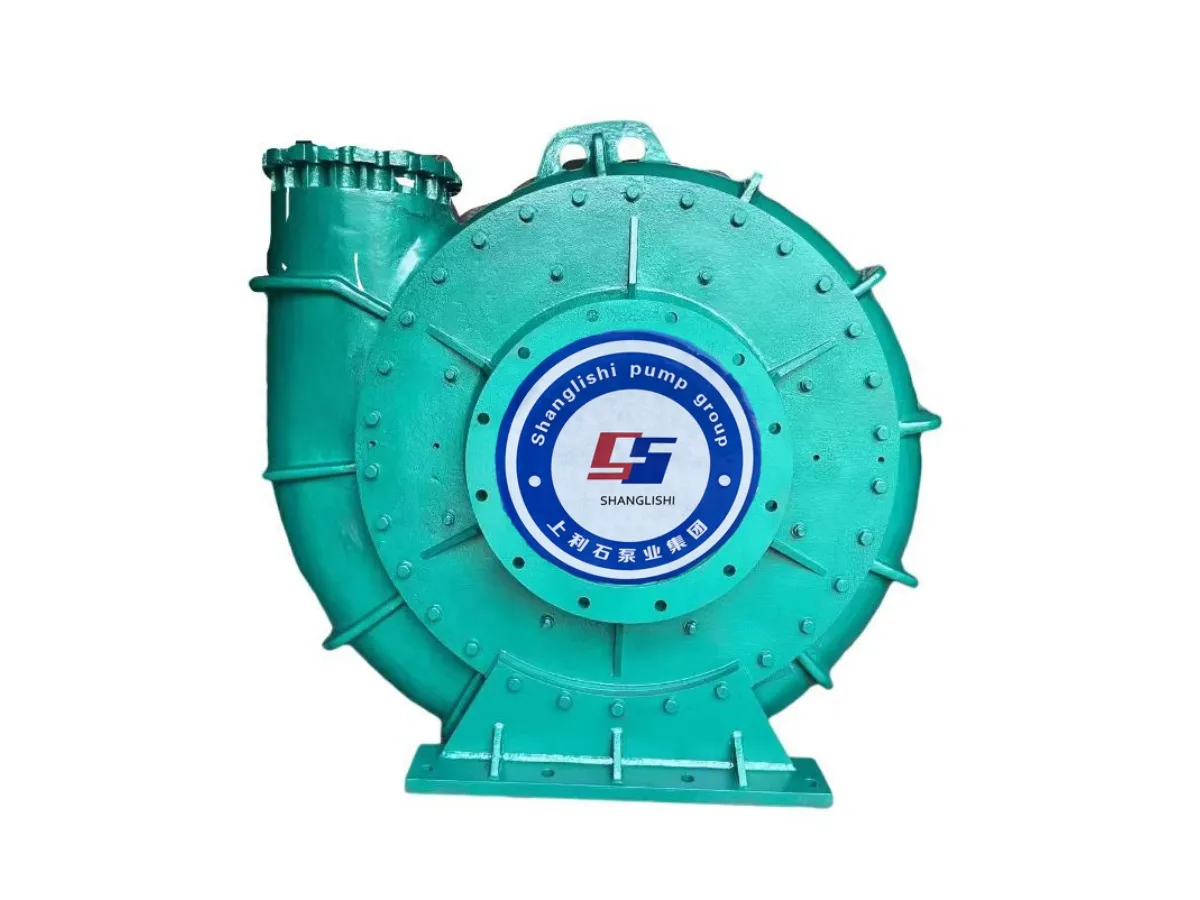
Two families suit this duty and the choice turns on depth and access. A submersible dredge pump works at the bed with no suction lift to lose and no priming to maintain, and is amphibious — it transitions between submerged and dry running without reconfiguration. A horizontal dredge or gravel pump on a pontoon suits coarser material and longer discharge lines, and its single-casing construction has no liner to break on cobbles.
Either way, add agitation if the bed consolidates: a mixing wheel for settled sand and silt, an external cutting agitator for compacted or bound material.
Key Selection Parameters
| Bed material and how consolidated it becomes | Decides whether agitation is needed and which type |
|---|---|
| Particle size distribution | Top size decides the pump; d50 decides the material |
| Working depth | Below about 20 m submergence, confirm the build at enquiry |
| Discharge distance and static lift | Including the floating line section |
| Solids concentration required | Production target drives this |
| Deployment method | Fixed, pontoon-mounted or repositioned along a channel |
| Power available | On-shore supply or on-board generation |
What to Send Us
Send the bed material description and how consolidated it becomes, the particle size distribution, the working depth, the discharge distance and lift, and the deployment method. We will confirm the pump family, the agitator arrangement and the wear material.
On Site
Send Your Enquiry
Submersible or horizontal dredge pump?
Submersible works at the bed with no suction lift and suits deeper or variable-level work. Horizontal on a pontoon suits coarser material and longer discharge lines. Depth and material coarseness decide.
Do we need an agitator?
If the bed material consolidates, yes. Without agitation the pump lifts water and leaves the deposit. A mixing wheel suits settled sand and silt; a cutting agitator suits bound material.
How is the pump repositioned along a channel?
Mobile hose installation. The pump sits on its base with a hose connector to the discharge line and needs no fixed pipework.
What happens if the water drains away?
Submersible units are amphibious and transition between submerged and dry running without reconfiguration, but cooling is by the pumped medium so minimum flow must be maintained.
Manufacturer-direct supply · Technical pump-selection support · Export documentation on request.