Technical Support & After-Sales
Wear parts, re-sizing, and after-sales for pumps already in service.
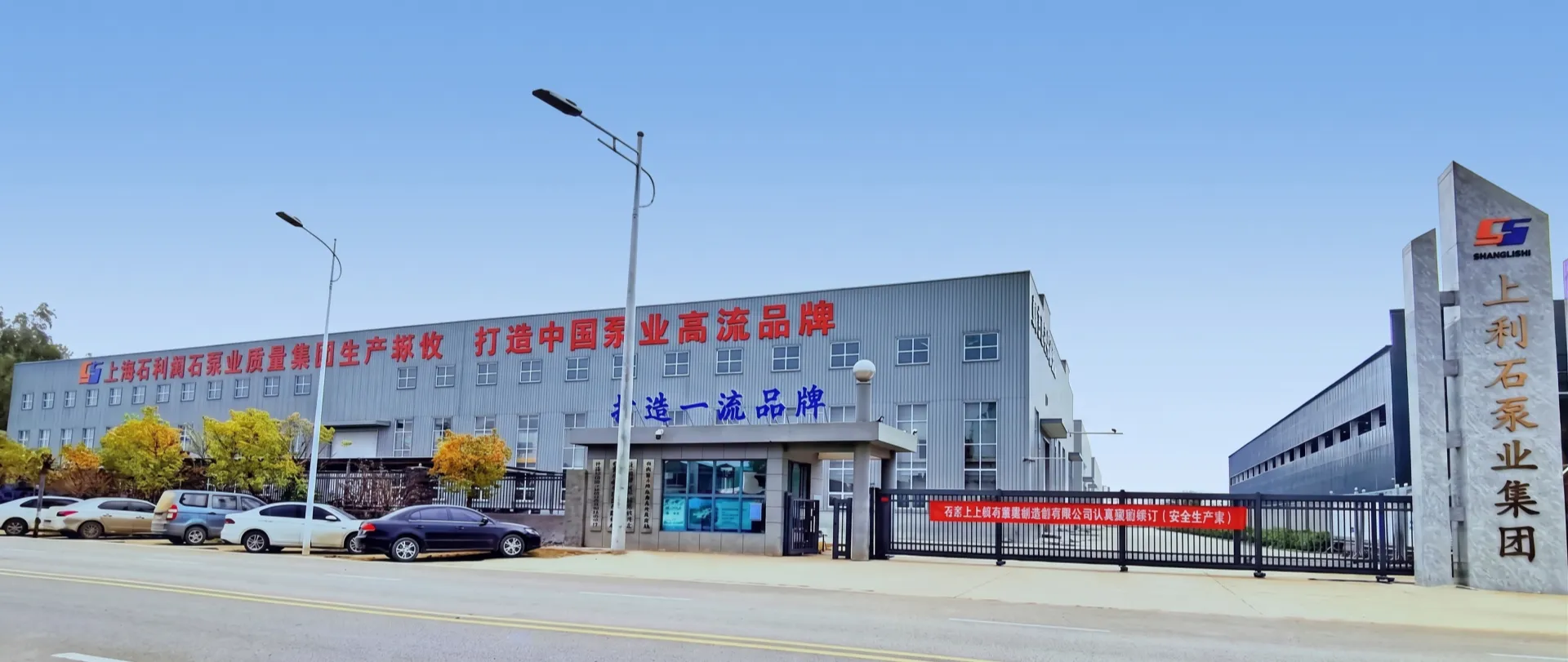
Technical support from the people who cast the parts — the engineers answering your question have the foundry, the machining shop and the test bench in the same building, so an answer can be checked rather than guessed.
- Selection review against your actual slurry, not a nominal duty
- Wear diagnosis from photographs of the failed part
- Dimensional drawings issued for pre-order fit checking
- Parts made against drawing or sample where the model is unknown
- Every pump performance-tested before despatch; report issued with the order
- Standard models in stock despatch in 7–10 days
CE · EAC · ISO 9001 · ISO 14001 · ISO 45001
What We Can Help With
- Selection review. Send the slurry analysis and duty and we will check the selection, including whether the pump is running in the right part of its curve. Running below 40 % of best-efficiency flow accelerates wear through recirculation, and that is often the real cause behind a parts complaint.
- Wear diagnosis. Photographs of the worn part tell us more than a description. Wear concentrated at the throatbush is normal — inlet velocity is highest there. Wear elsewhere first usually means the duty point has drifted.
- Fit checking. We issue dimensional drawings so fit against installed equipment can be confirmed before an order is placed.
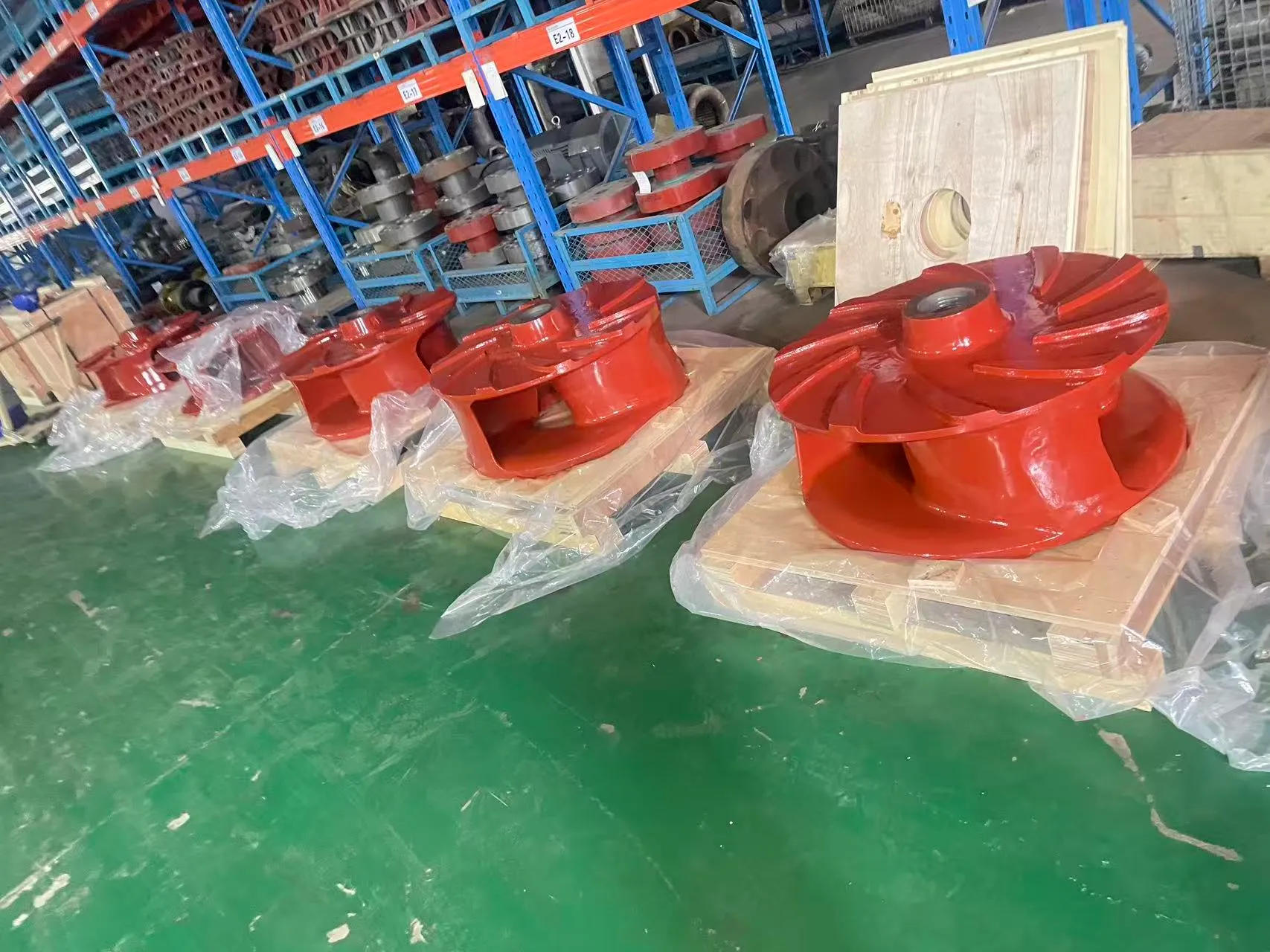
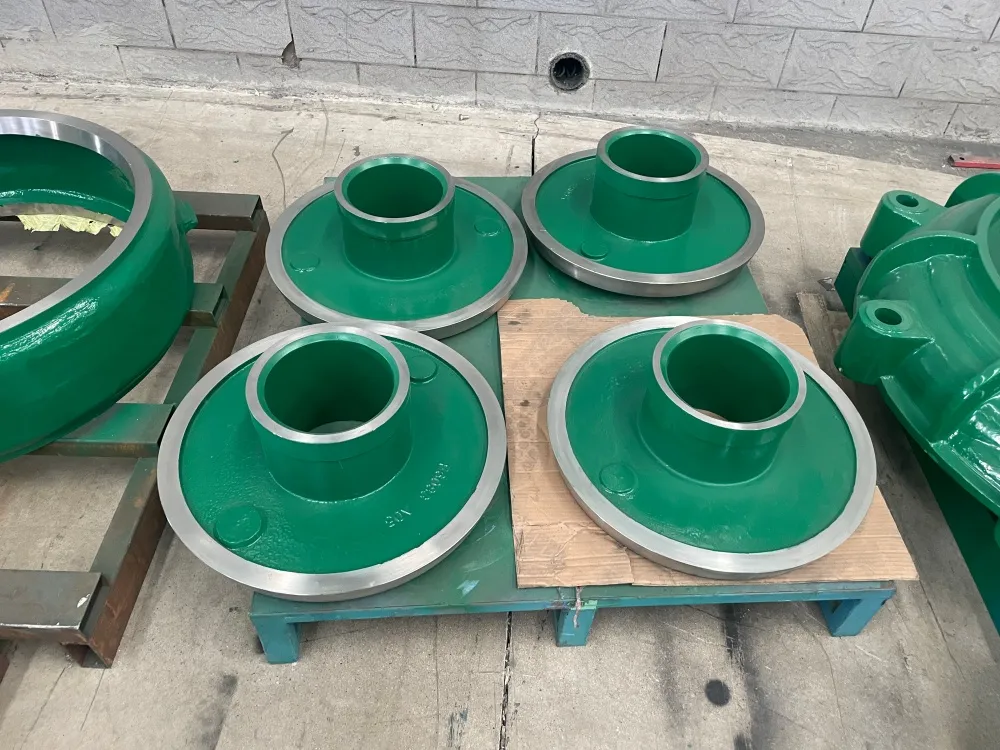
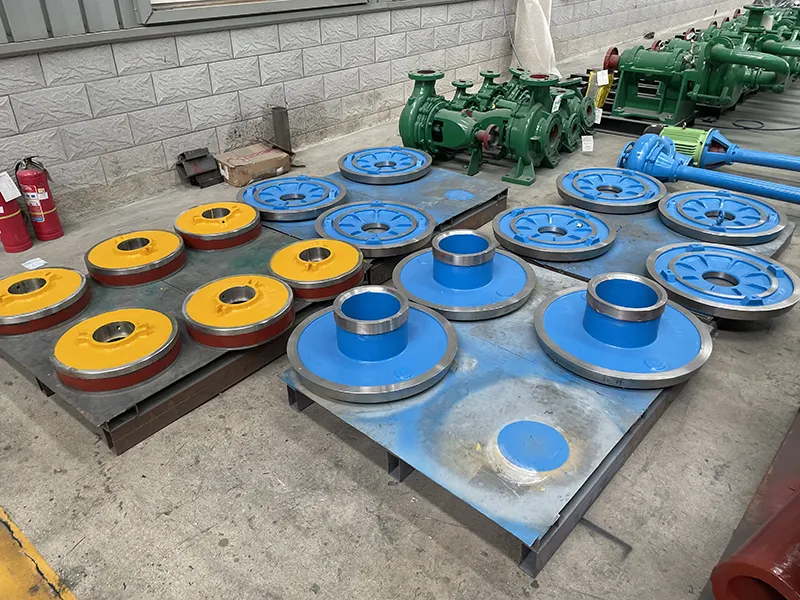
- Material review. If parts are being consumed faster than expected, the grade may not match the wear mechanism. A05 for high-impact abrasive wear at pH 5–12, A07 where erosion dominates, A49 below pH 5, rubber or polyurethane for fine rounded solids.
Reading the Symptoms
Three patterns come up repeatedly, and each points somewhere different:
| Symptom | Likely cause | What to check |
|---|---|---|
| Duty point falling at unchanged speed | Impeller-to-liner clearance opening with wear | Reset clearance to 0.5–1 mm; axial adjustment available depends on frame size |
| Vibration above 7.1 mm/s | Impeller imbalance from uneven wear or a lodged solid | Rebalance or replace the impeller |
| Bearing running hot | Grease quantity, too much or too little, more often than the bearing itself | Check the charge against the frame type table before replacing parts |
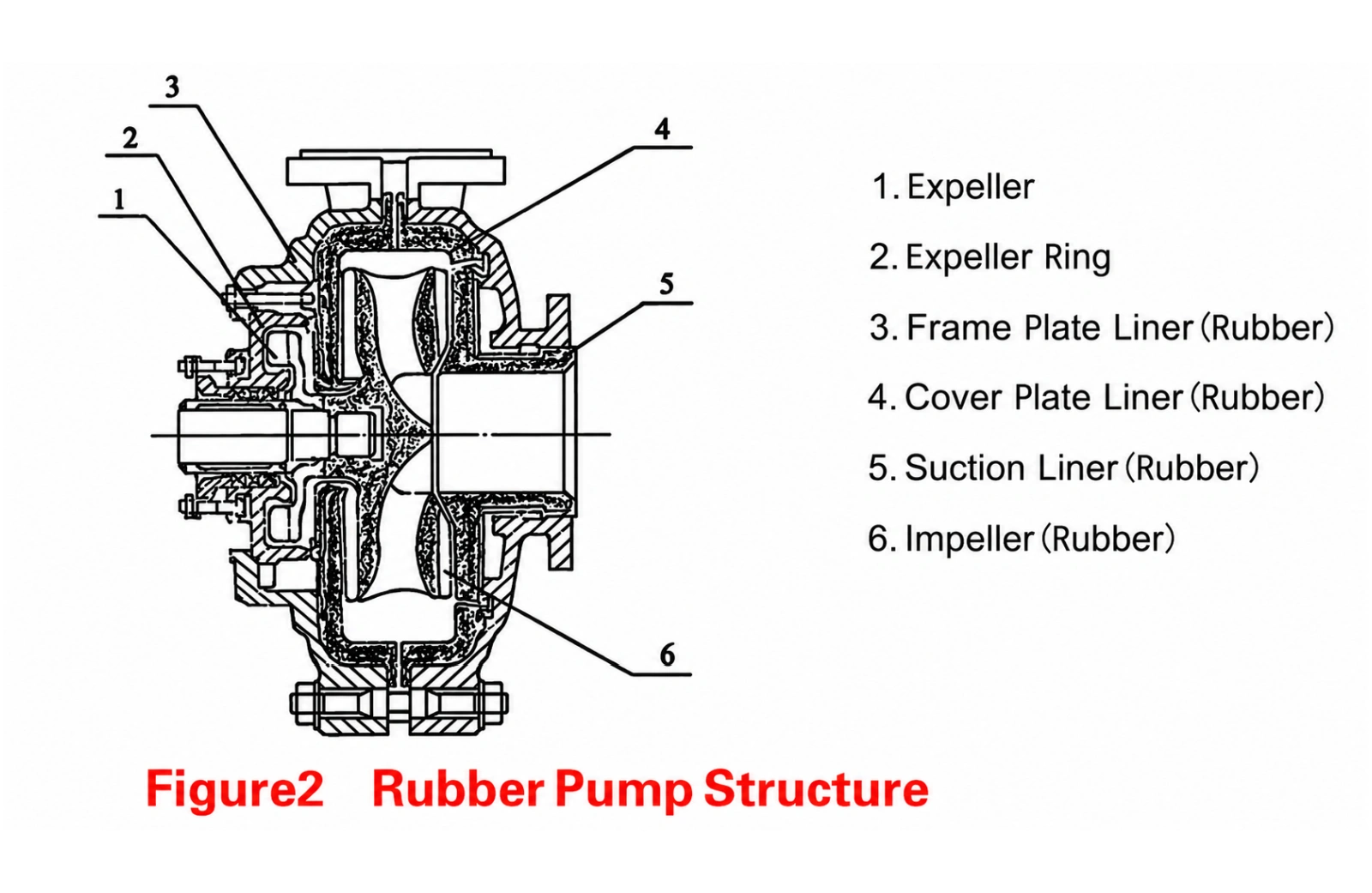
| Gland leaking while running | Clearance between expeller and expeller ring | Renew as a mating pair — one against a worn partner restores only part of the sealing |
| Gland leaking only when stopped | Packing set rather than the expeller | Repack; confirm packing grade against working pressure |
Scheduled Maintenance Intervals
- Reset impeller clearance to 0.5–1 mm at scheduled maintenance, with the drive isolated.
- Renew mechanical seals on submersible builds at 4,000 hours.
- Relubricate bearings at 2,000-hour intervals; grease charge is set by frame type, from 20 g on frame A to 2,300 g at the pump end on T and TU frames.
- Take an oil or grease sample at 2,000-hour intervals to detect seal or bearing wear before failure.
- ⚠ Bearing inner ring preheat on assembly must not exceed 120 °C — above that the ring loses hardness and will not reach rated life.
When a Duty Changes
If the ore, the concentration or the throughput has changed, the pump that was correct at commissioning may no longer be. Send the new conditions and we will say whether a different impeller diameter, a different wear material, or a different pump is the right answer — including when the answer is that no change is needed.
What to Send Us
For a selection review: flow, head, slurry analysis with particle size and solids concentration, pH, and the pump model if known. For a wear question: photographs of the worn part, the running hours it achieved, and the duty it was running. For a parts enquiry: the frame type, which is the identifier that fixes the bearing assembly, grease charge and gland water rate.
Wear Parts We Support
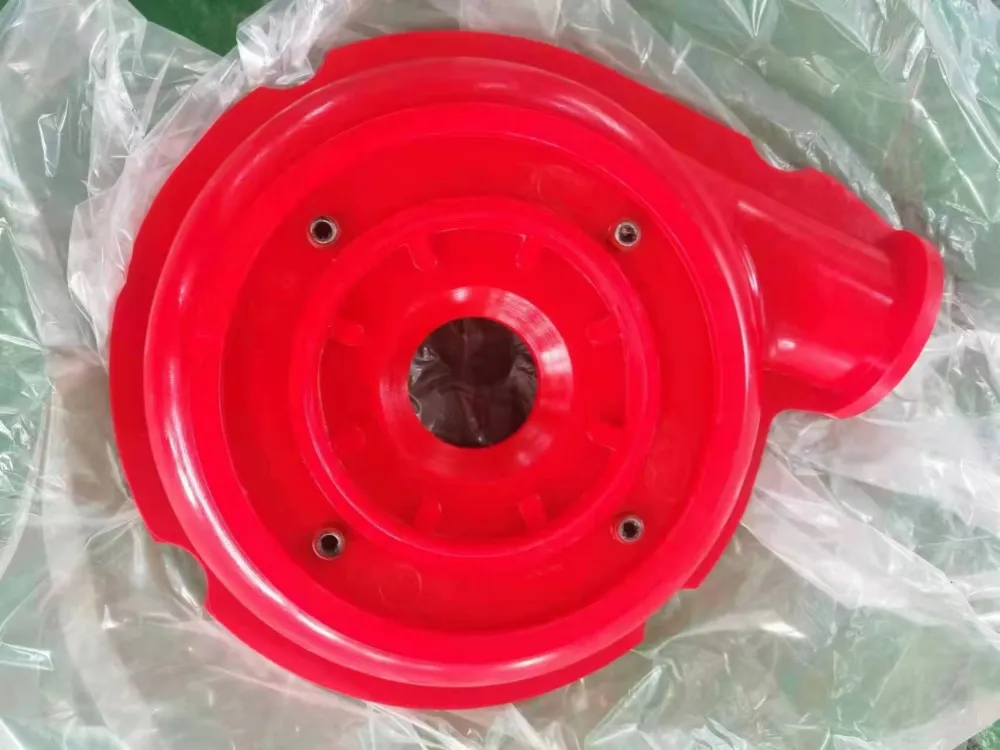
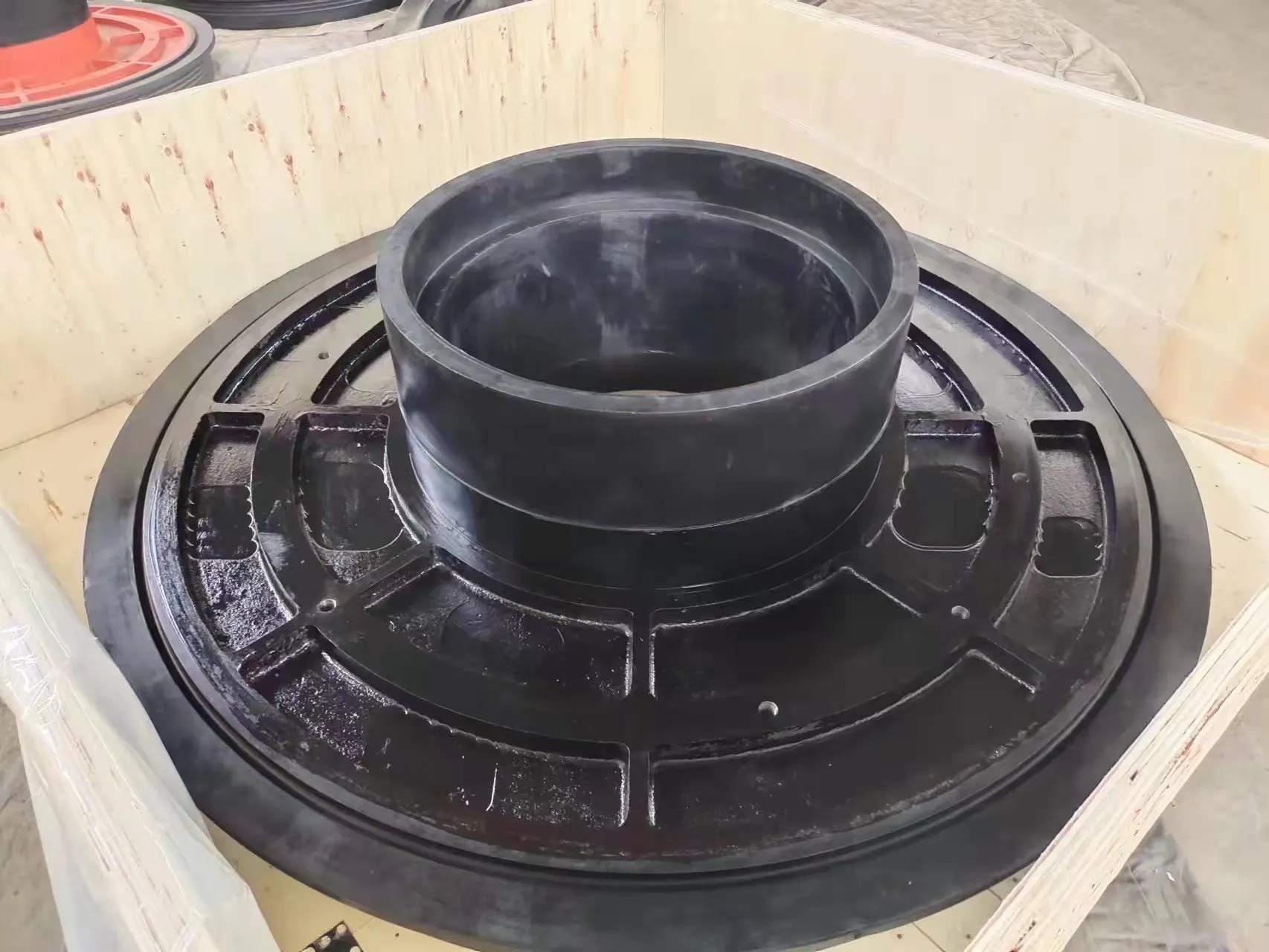
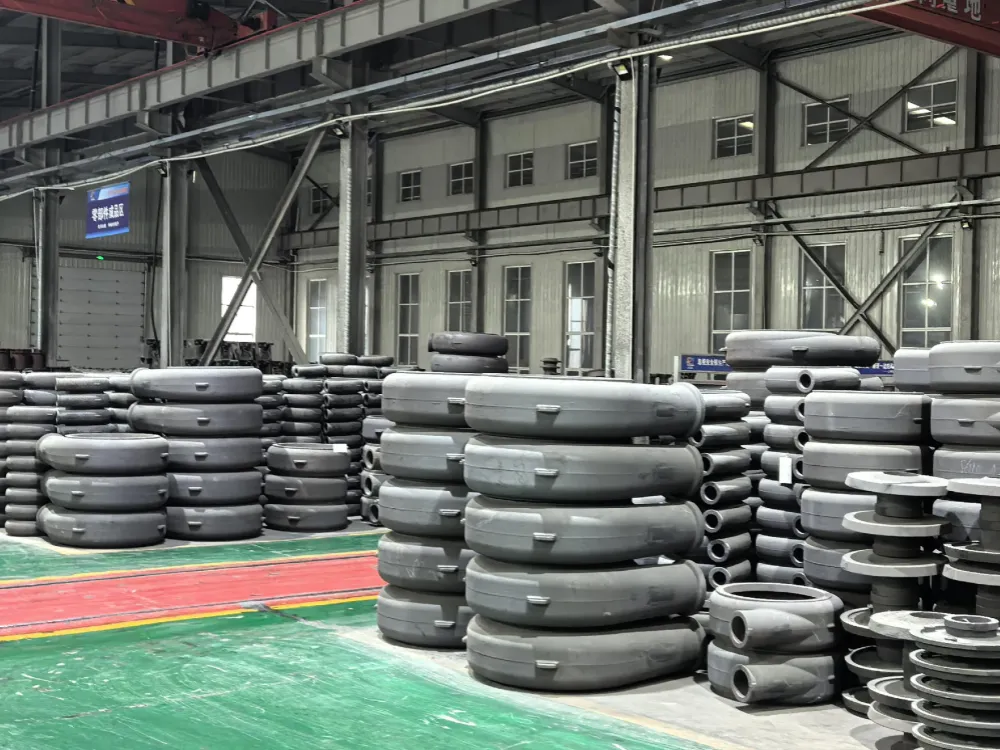
Send Your Enquiry
How quickly do you respond to a technical enquiry?
Our engineers reply within 24 hours. Send the slurry analysis and duty with the first message and the first reply can be substantive rather than a request for more information.
Can you diagnose a wear problem from photographs?
Usually yes. Photographs of the worn part, the running hours achieved and the duty it was running are enough to tell whether the cause is material, duty point or installation.
Our parts are wearing faster than expected — is that a quality problem?
Sometimes, but more often it is a material grade that does not match the wear mechanism, or a duty point away from best efficiency. Send the wear pattern and we will look at it before quoting a replacement.
Can you supply parts for a pump whose model number is unreadable?
Yes — against a dimensioned drawing or a sample part. We recommend confirming the fit dimensions before the order is placed.
Do you issue test reports?
Yes. Every pump is performance-tested before despatch and the report is issued with the order.