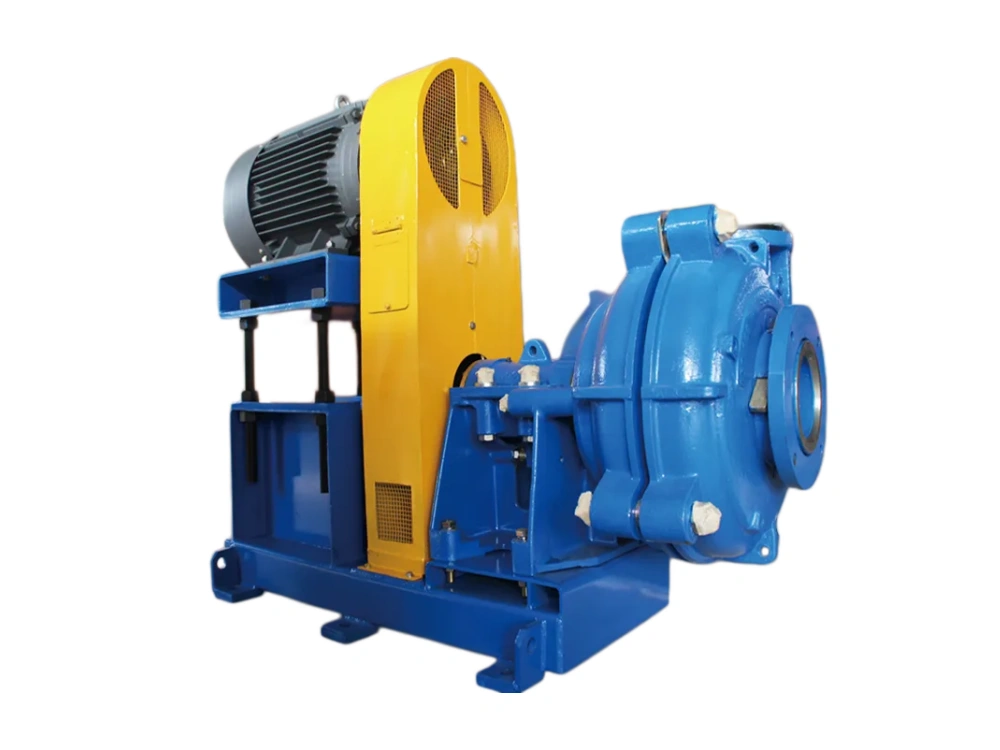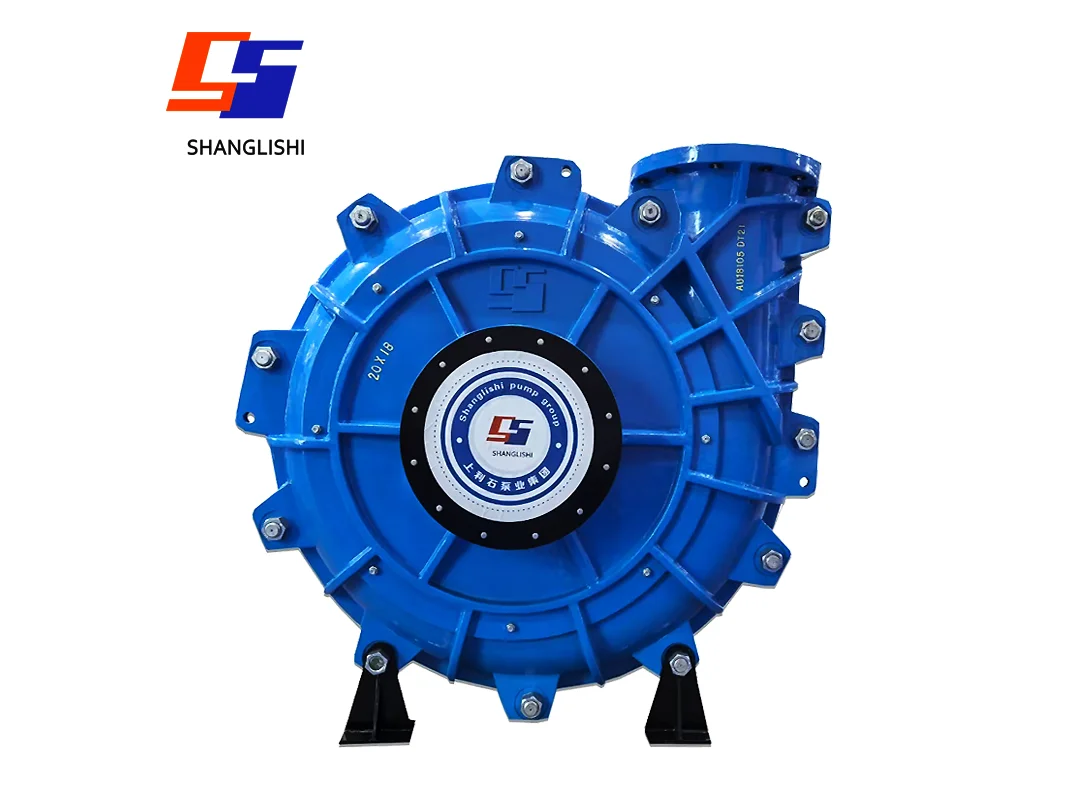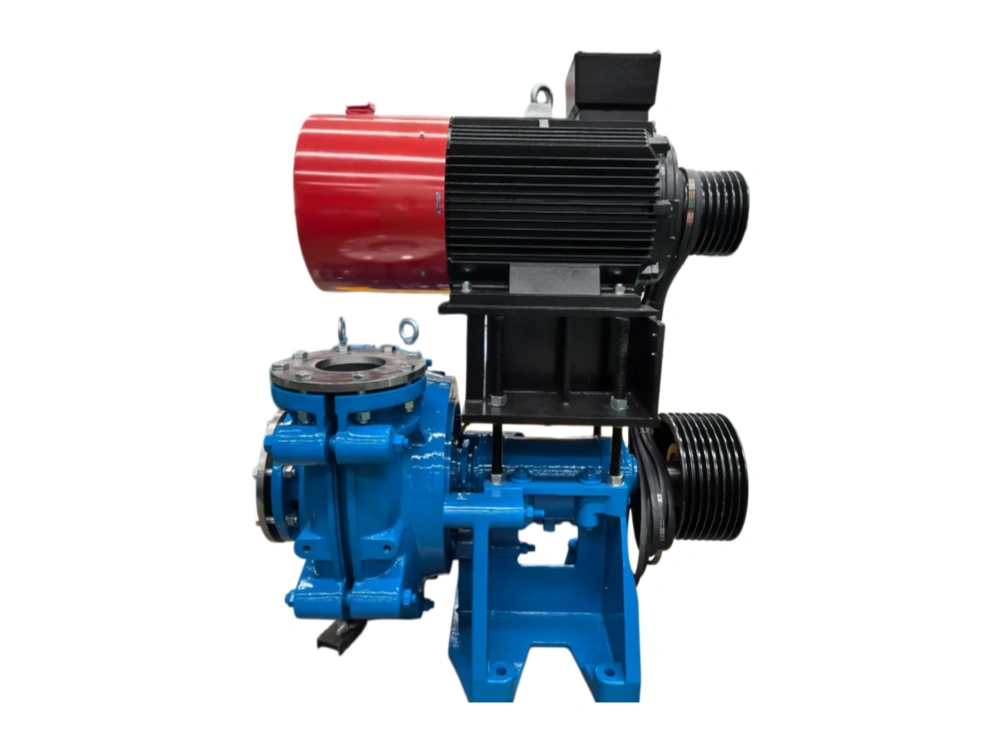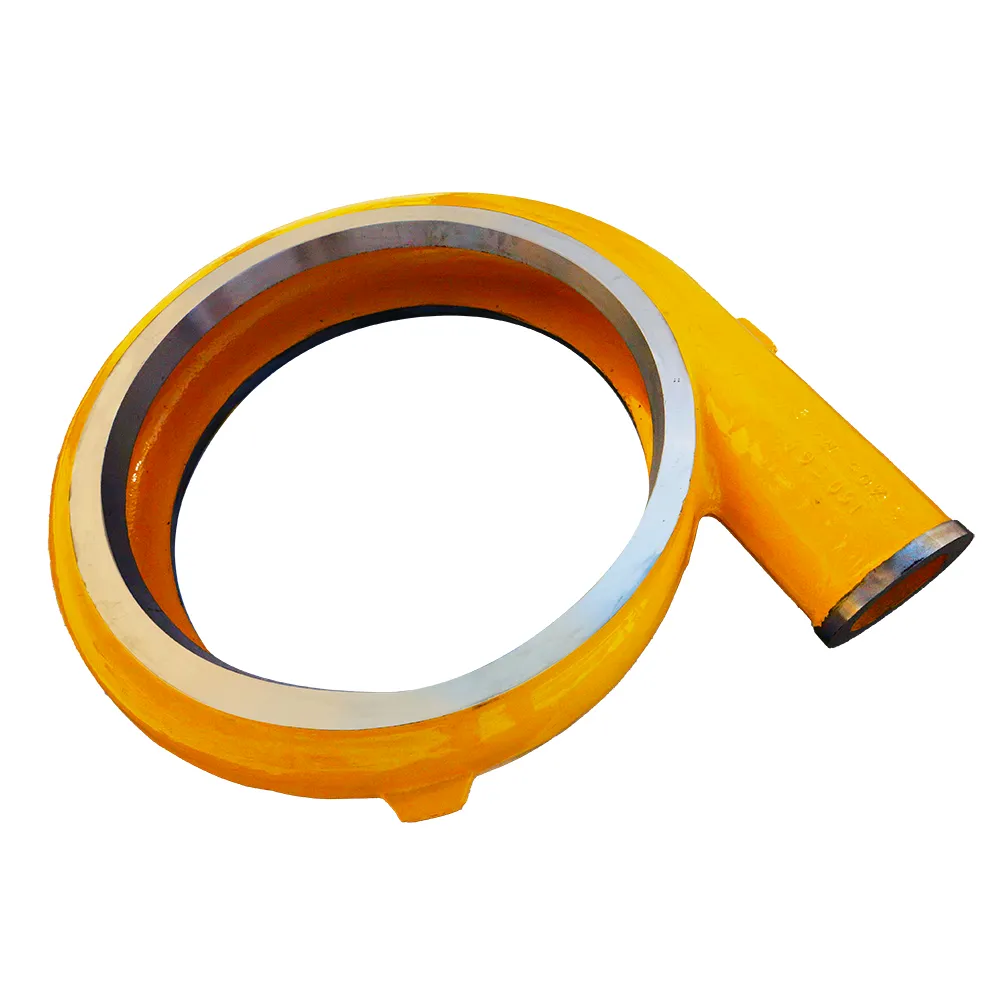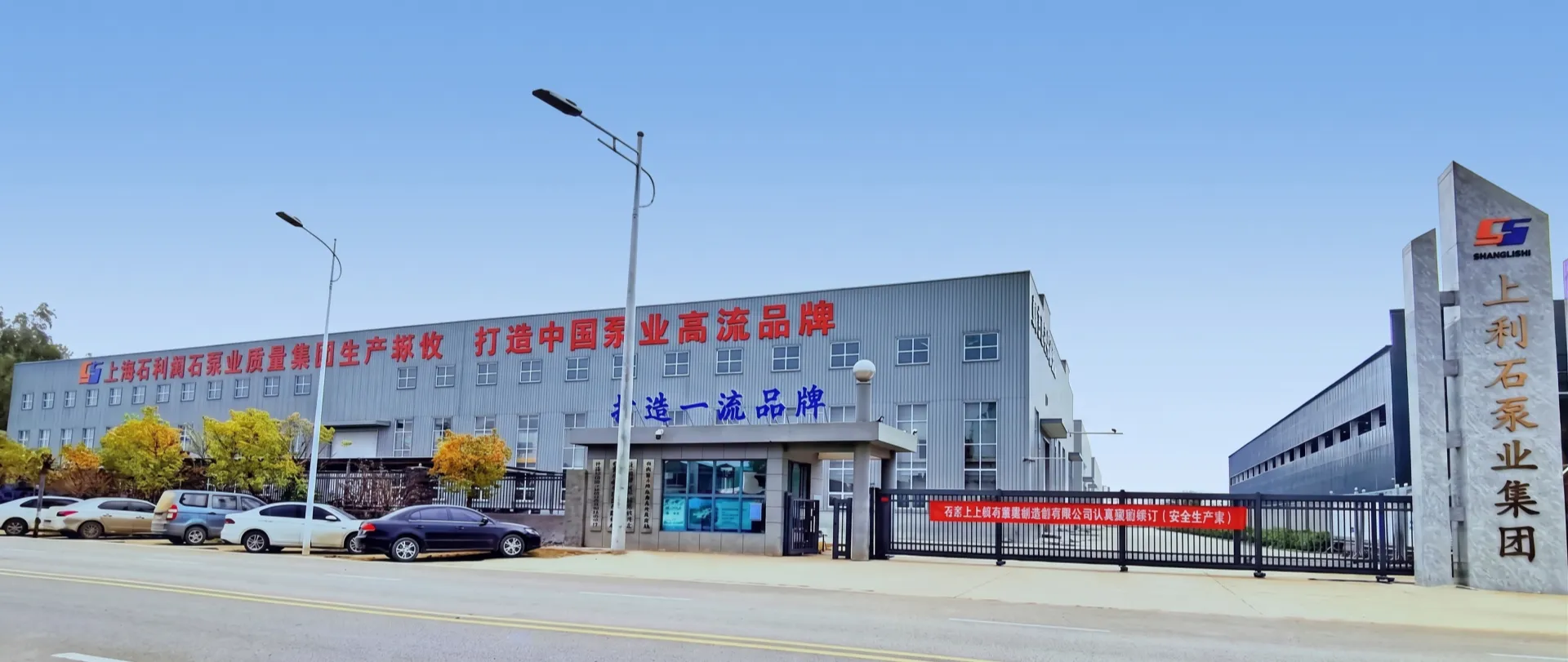
Horizontal Slurry Pumps for Mineral Processing & Tailings
Mineral-processing and tailings duty moves high-concentration abrasive slurry from grinding, classification and thickening to tailings dams; abrasion and continuous running dominate selection.
Mill discharge, cyclone feed and tailings transfer — the highest-wear duty in mineral processing. Selection is decided by particle size distribution and solids concentration, not by the duty point alone.
- Horizontal SAH series, double-casing with replaceable liners
- A05 high-chrome (≥HRC62) for coarse angular ore; rubber for fine rounded solids
- Run at 40–80 % of best-efficiency flow on high-concentration slurry
- Expeller seal removes gland water from the circuit
- Discharge rotatable at 45° through eight positions
- Series arrangement available for long tailings lines
CE · EAC · ISO 9001 · ISO 14001 · ISO 45001
What This Duty Demands
Three things make mineral-processing duty hard on a pump. The solids are angular and freshly liberated, so they cut rather than roll. Concentration is high, which raises both the head the pump must generate and the wear rate. And the circuit runs continuously, so a wear part that fails early stops the mill, not just the pump.
- Mill discharge — the coarsest and most abrasive point in the circuit; the pump sees whatever the mill has not yet ground.
- Cyclone feed — requires a stable duty point, because cyclone separation depends on inlet pressure staying constant as the impeller wears.
- Tailings transfer — long lines and high static head; often the first stage of a series set.
- Concentrate and regrind — finer solids, where a rubber wet end usually outlasts metal.
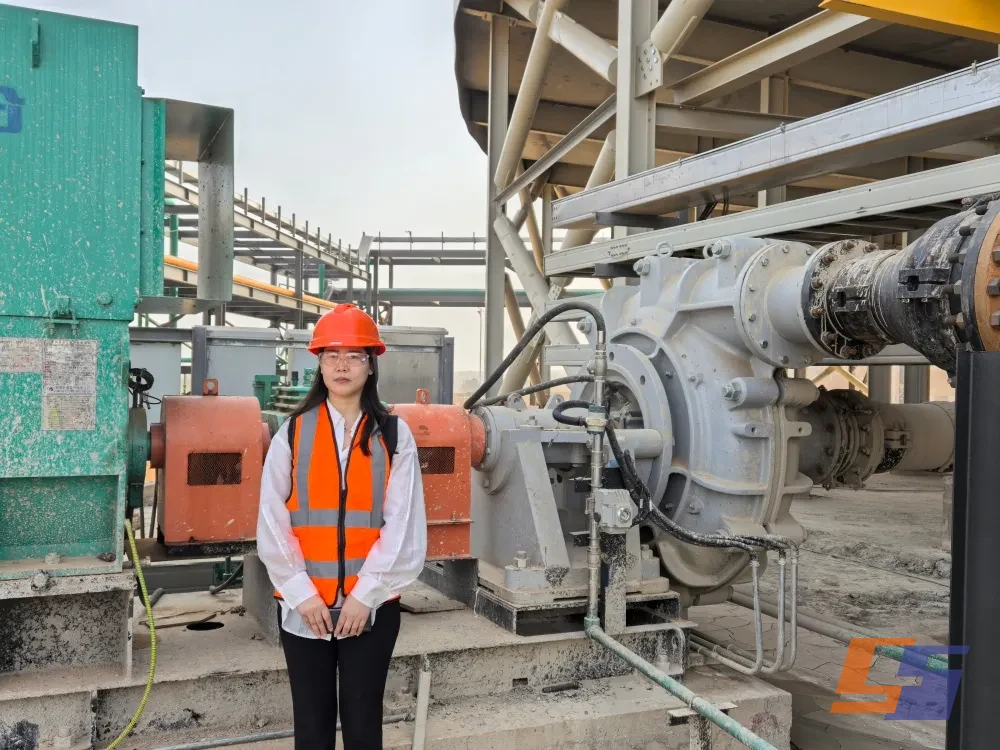
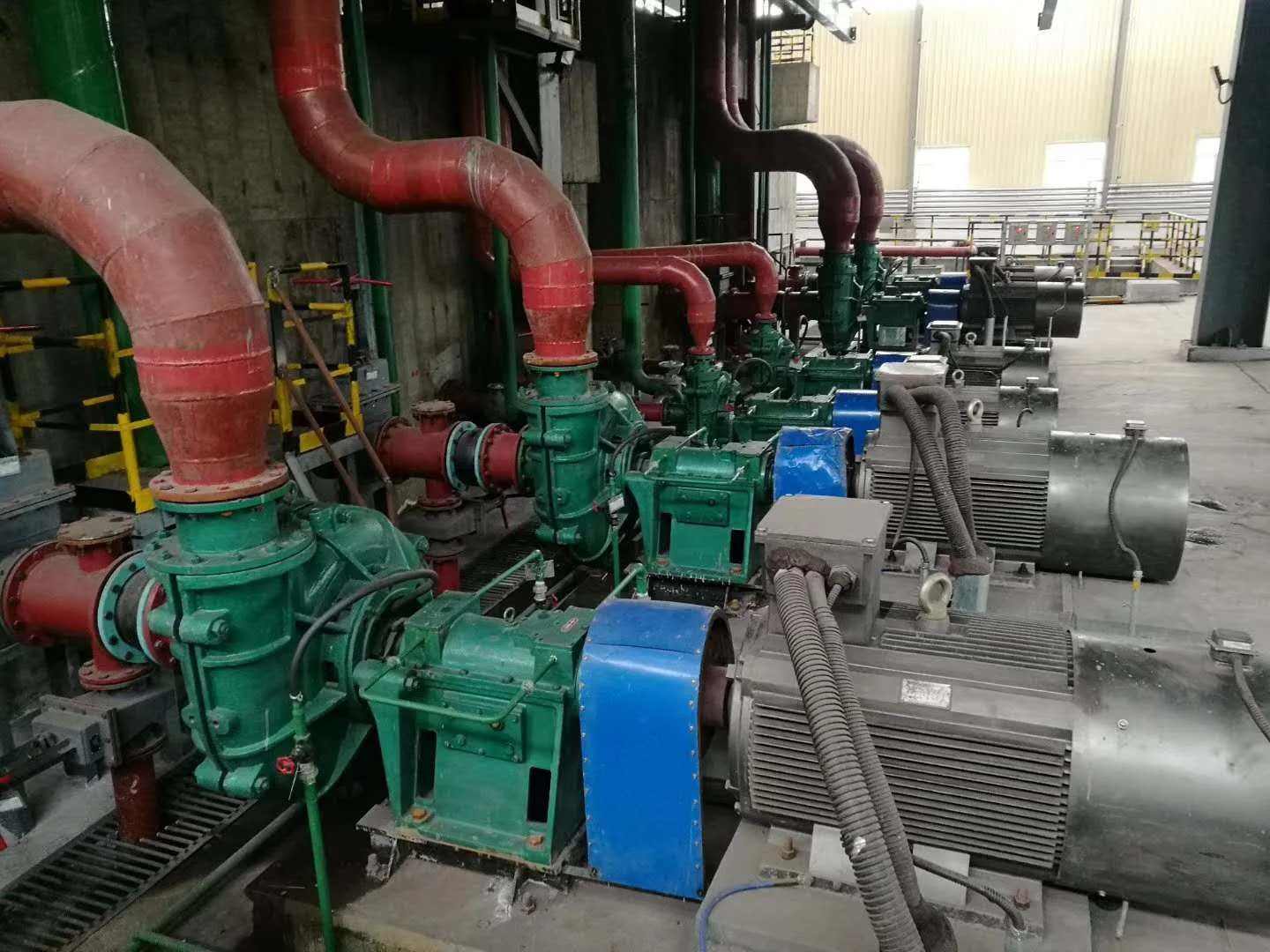
Recommended Pump & Material
The horizontal SAH series is the standard selection. Double-casing construction keeps the wear parts separate from the pressure casing, so only the worn element is renewed. Material follows the wear mechanism: A05 (KmTBCr27, ≥HRC62, tensile ≥700 MPa) for high-impact abrasive wear at pH 5–12; A07 (≥HRC59) where erosion dominates and impact is lower; rubber or polyurethane for fine, rounded, high-concentration slurry.
For cyclone feed, hold the duty point close to best efficiency and reset impeller clearance to 0.5–1 mm at scheduled maintenance — a drifting duty point changes the cut size before anyone notices the pump is worn.
Key Selection Parameters
| Solids concentration | By weight and by volume; both affect head and wear rate |
|---|---|
| Particle size distribution | d50 and top size — top size decides the pump, d50 decides the material |
| Slurry specific gravity | Sets the head the pump must generate |
| pH | Below 5 the high-chrome grades are not appropriate; use A49 or A33 |
| Duty point and line length | Whether the pump runs single or as first stage of a series set |
| Available NPSH | Cyclone feed in particular is sensitive to inlet conditions |
| Gland water availability | Decides between expeller, packing and mechanical seal |
What to Send Us
Send the flow and head, the slurry analysis (concentration, particle size distribution, specific gravity, pH), the circuit position and the drive arrangement available. We will confirm the model, the wear material and the sealing arrangement, and issue the performance curve with the quotation.
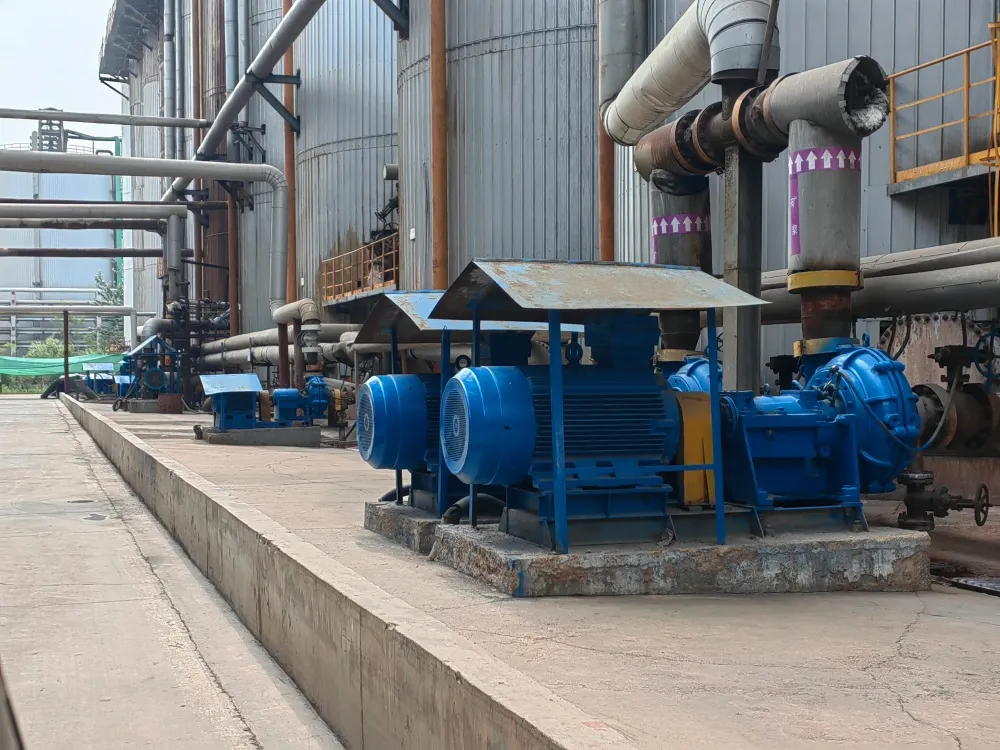
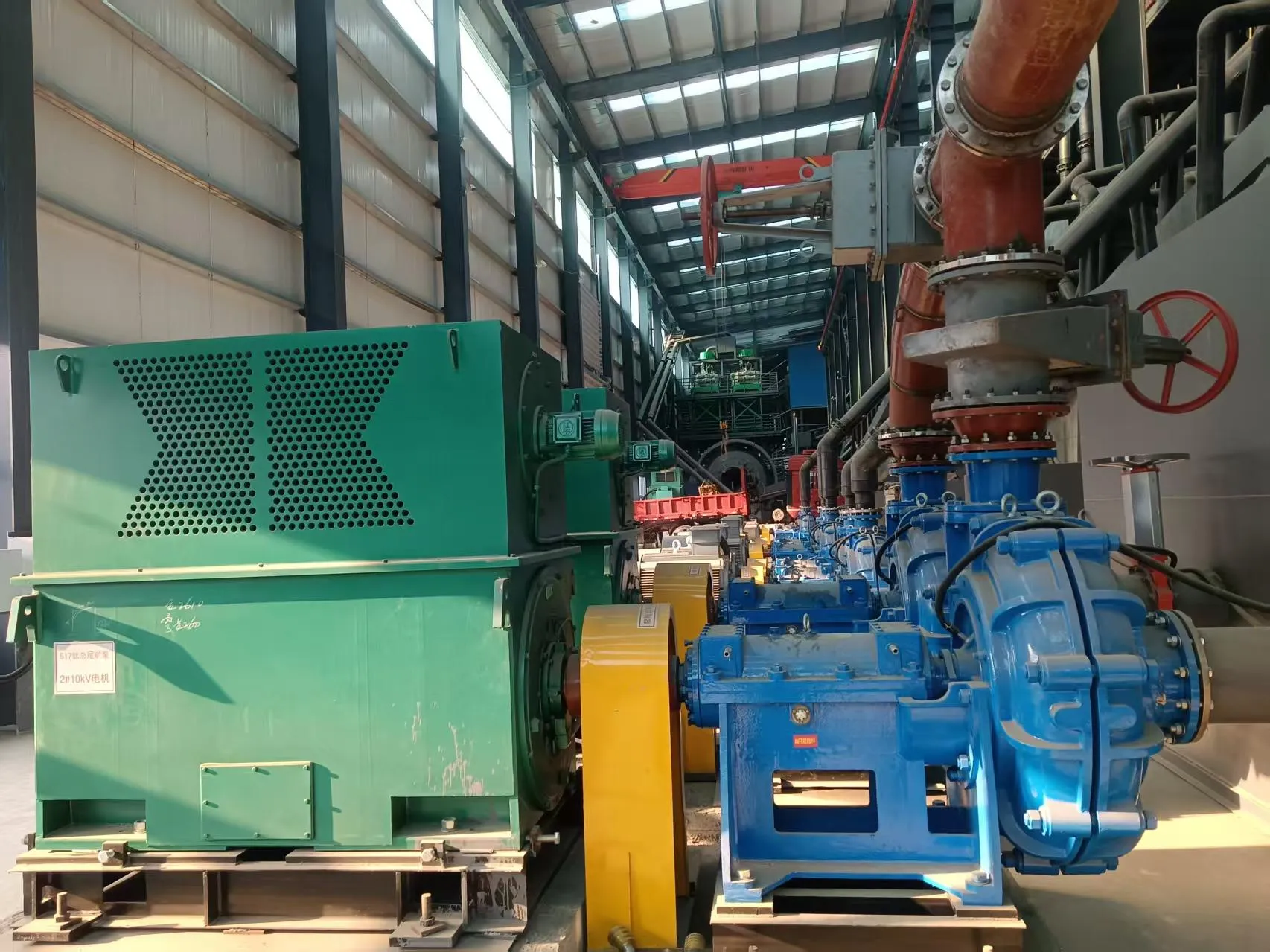
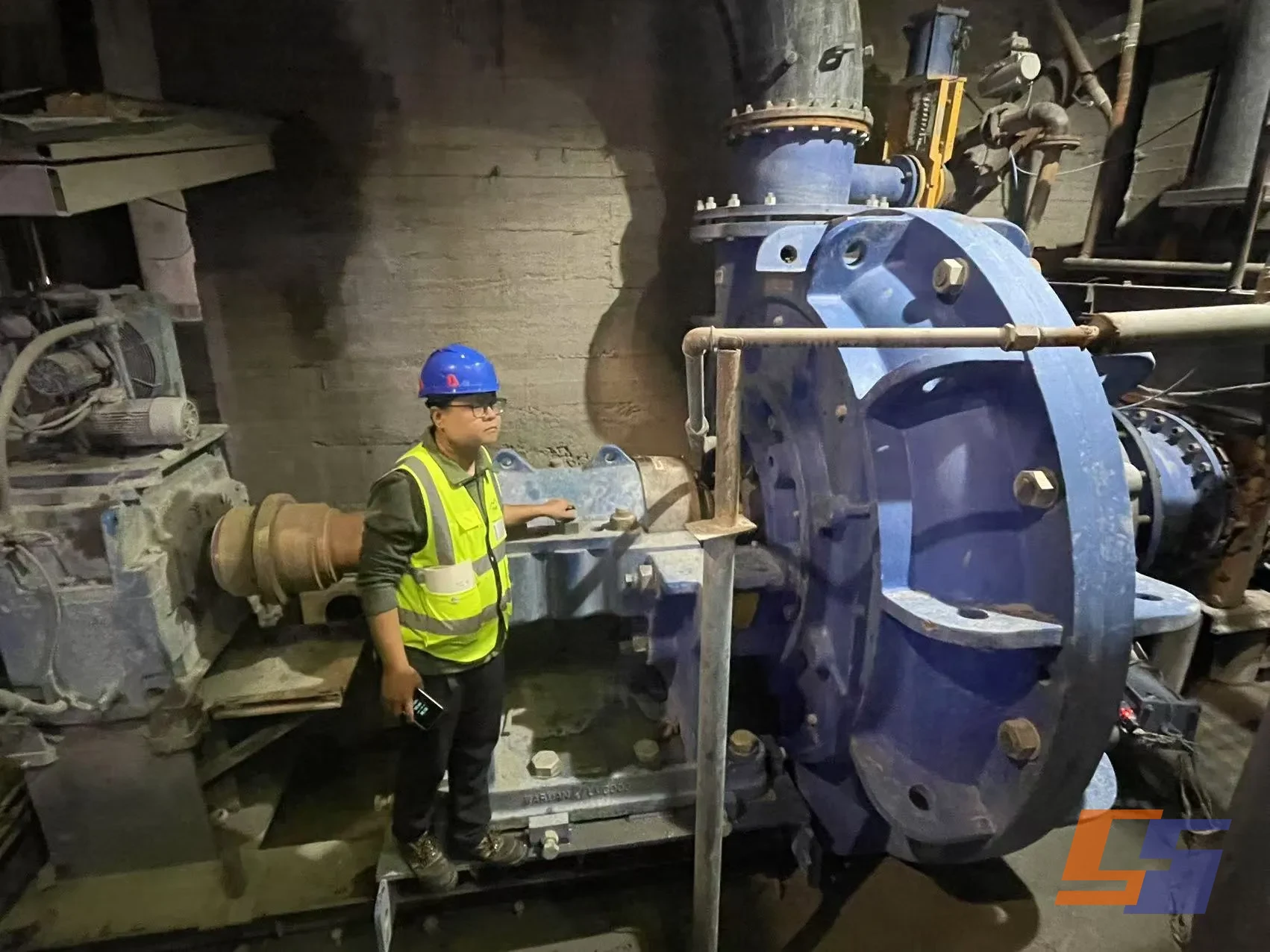
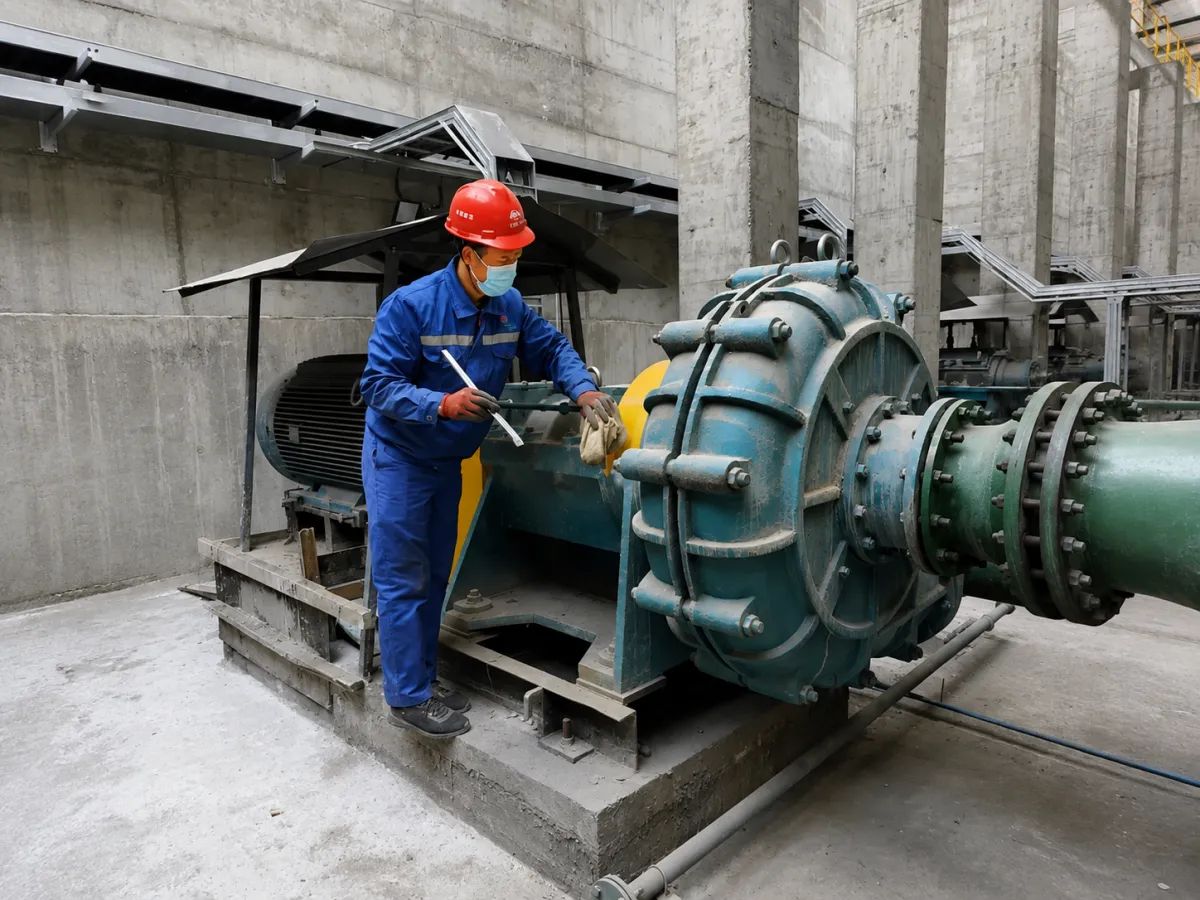
On Site
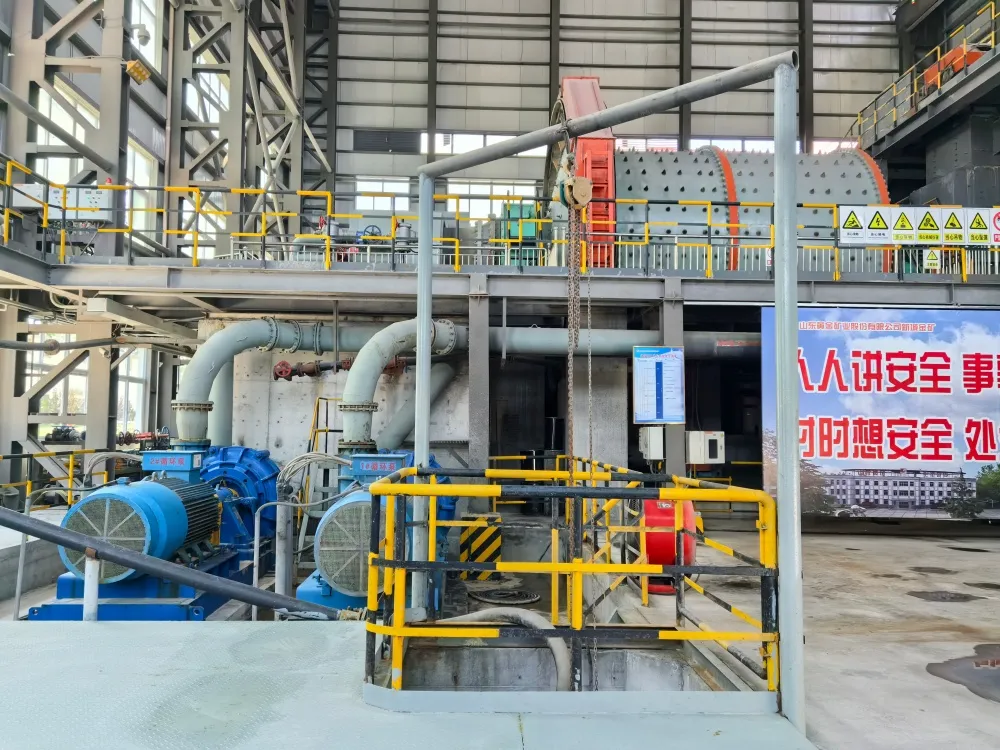
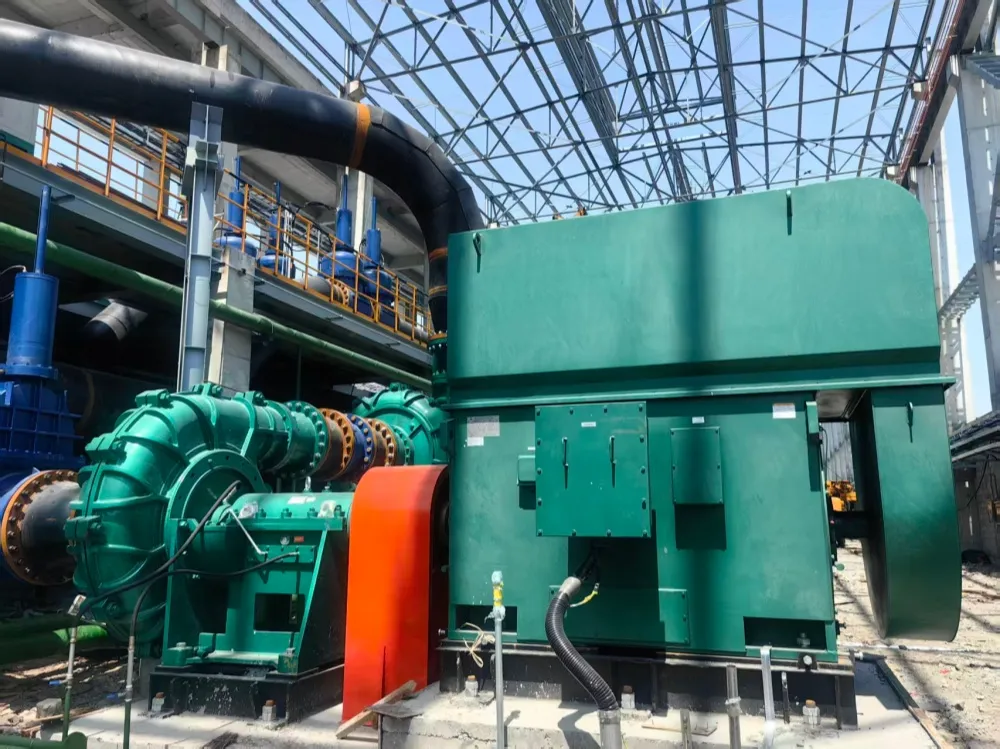
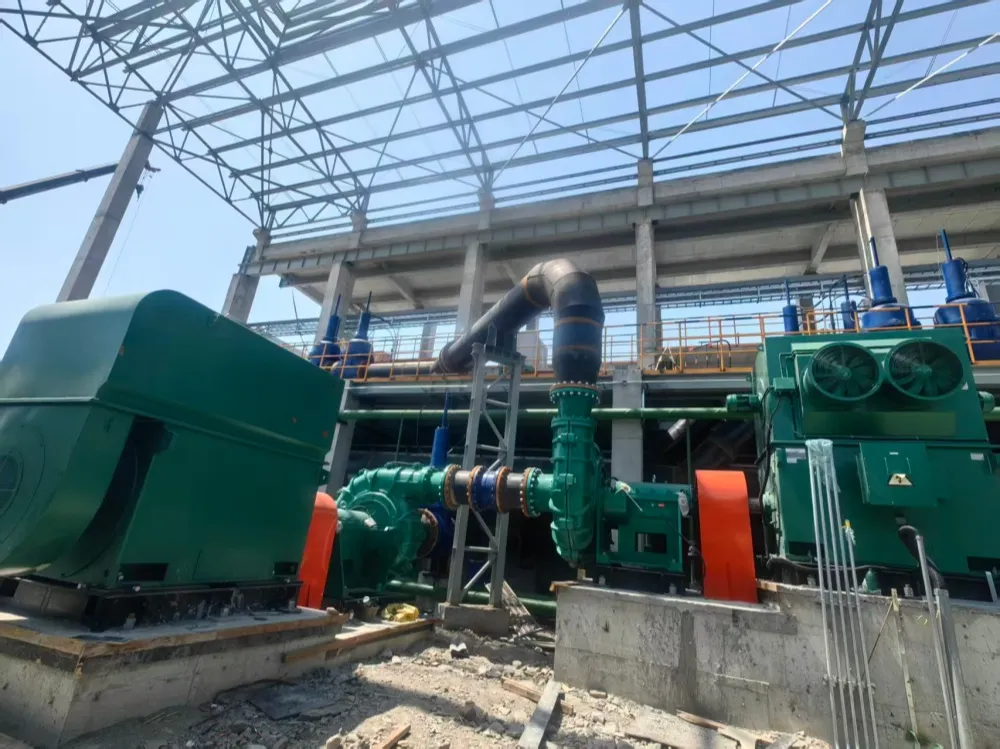
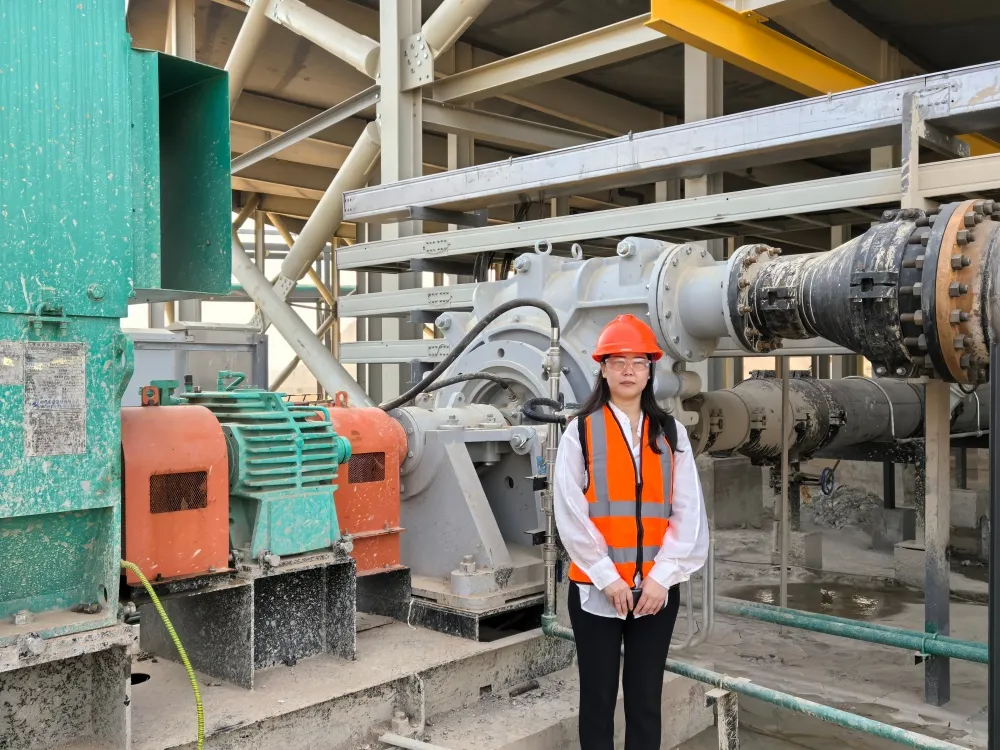
Send Your Enquiry
Which wear material for mill discharge?
A05 high-chrome white iron in most cases — the solids are coarse and angular, which cuts an elastomer lining. Rubber becomes the better choice further down the circuit where the solids are finer and rounded.
Why does cyclone feed need a stable duty point?
Cyclone cut size depends on inlet pressure. As the impeller wears the duty point drifts and the separation changes, often before anyone attributes it to the pump.
Can the same pump handle both mill discharge and tailings?
The frame and drive usually can; the wet-end material and impeller selection normally differ, because the two duties have different particle size and concentration.
What flow band should the pump run in?
40–80 % of best-efficiency flow on high-concentration abrasive slurry. Running below 40 % accelerates wear through recirculation.
Manufacturer-direct supply · Technical pump-selection support · Export documentation on request.